OVERVIEW
Charlotte, North Carolina, is a strong retirement destination offering mild winters, a cost of living just 1% above the national average, and a median home price of around $550,000. The city does not tax Social Security benefits, and the flat state income tax rate dropped to 3.99% in 2026. Charlotte has multiple 55+ and active adult communities across the metro and surrounding suburbs, including Lake Norman, Matthews, and Fort Mill.
Charlotte has been one of the fastest-growing cities in the country for years, and retirees are a big part of that story. The city has the restaurants, museums, and health care systems you might expect from a major metro, but costs a lot less and moves at a more relaxed pace. Charlotte is also in a geographic sweet spot, with Blue Ridge Mountain trails just a couple of hours to the west and some of the East Coast’s best beaches just as far east.
Here’s what you should know if you’re thinking about retiring in the Queen City.
A Fast-Growing City in a Prime Location
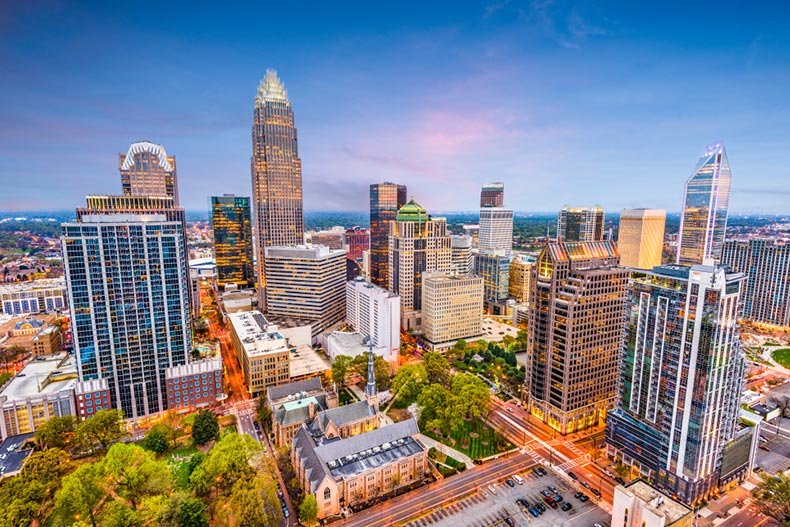
Charlotte sits in the southern Piedmont region of North Carolina, about 15 miles north of the South Carolina border. The city itself has a population of about 900,000, making it the largest city in North Carolina and one of the 15 largest in the country.
The broader metro area (which includes Concord, Gastonia, and parts of South Carolina) has grown to nearly 2.9 million residents, and between July 2024 and July 2025, Charlotte ranked among the top five metros for population growth. Most of that growth comes from younger professionals and families, but more and more retirees are finding their way to Charlotte for the affordability, weather, and quality of life.
Getting Around Charlotte
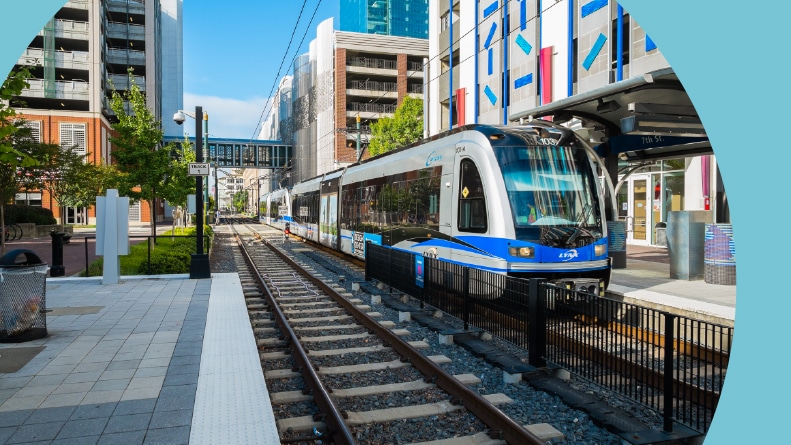
Charlotte is still mostly a car-dependent city. The local transit system (CATS) operates the LYNX Blue Line Light Rail, buses, and the CityLYNX Gold Line streetcar, but routes are limited. Plenty of neighborhoods are walkable on their own, but getting between them usually requires a car.
The city is working to expand its transit network, including a planned east-west Silver Line currently in early development.
Charlotte Suburbs Worth a Look
There’s also a cluster of appealing suburbs to choose from.
- Lake Norman: Lakeside living about 20 miles north of Uptown, with more than 520 miles of shoreline for boating and fishing.
- Matthews: A small-town feel with a walkable downtown and plenty of parks.
- Fort Mill: Just across the South Carolina border and one of the fastest-growing suburbs in the region.
Mild Winters and Year-Round Outdoor Living
Charlotte gets four distinct seasons without the extremes you’d find further north or along the Gulf Coast. Summers are warm, with July and August highs averaging near 90 degrees, and winters are mild with very little snowfall. Hurricanes will occasionally bring heavy rain, but direct hits and major snowstorms are both rare.
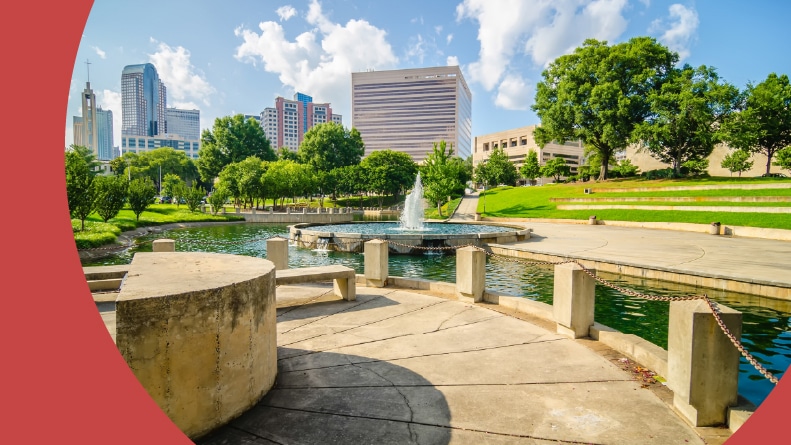
That kind of weather means you can be outside for most of the year, whether that’s at parks like Freedom Park, out on Lake Norman or Lake Wylie, or at the U.S. National Whitewater Center, which has kayaking, rock climbing, and mountain biking on its 1,300-acre property.
How Far Your Money Goes in Charlotte

Charlotte is one of the more affordable big cities you’ll find. The cost of living is about 1% higher than the national average, and housing costs are also roughly 1% higher than the national median. The median home price is around $550,000, and average rents run about $1,650 per month.
Tax Benefits for Retirees
North Carolina’s tax structure also has a few things working in retirees’ favor.
- No tax on Social Security: Benefits are fully exempt from state income tax.
- Flat state income tax: The rate dropped to 3.99% in 2026, down from 4.25% in 2025, with another reduction to 3.49% expected in 2027 based on current revenue projections. Pensions, 401(k) distributions, and IRA withdrawals are taxed at this flat rate.
- No state estate or inheritance tax: North Carolina doesn’t have either.
- Below-average property taxes: Mecklenburg County’s effective rate is below the national average. Adults 65 and older with an annual income under $38,800 may qualify for the state’s Homestead Circuit Breaker program, which limits property taxes to a percentage of the homeowner’s income.
Health Care Access
Charlotte has two major health care systems, with a third now entering the market, so retirees have access to just about every specialty they might need.
- Duke Health: Entered the Charlotte market in 2025 by acquiring what is now Duke Health Lake Norman Hospital in Mooresville and announcing a partnership with Novant to develop new campuses across the state.
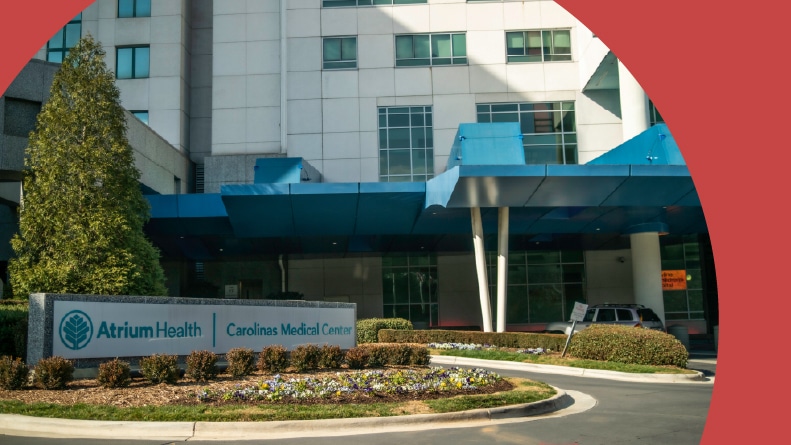
- Atrium Health: Operates the region’s flagship hospital, Carolinas Medical Center, the area’s only Level I trauma center, and an active transplant center. Atrium’s network spans multiple hospitals and specialty centers across the metro and includes a regional campus for Wake Forest University School of Medicine.
- Novant Health: The region’s other major system, with hospitals, clinics, and urgent care centers throughout the metro, along with specialty centers for heart and vascular care, oncology, neurosciences, and behavioral health.
Plenty to Do Year-Round
Arts and Culture
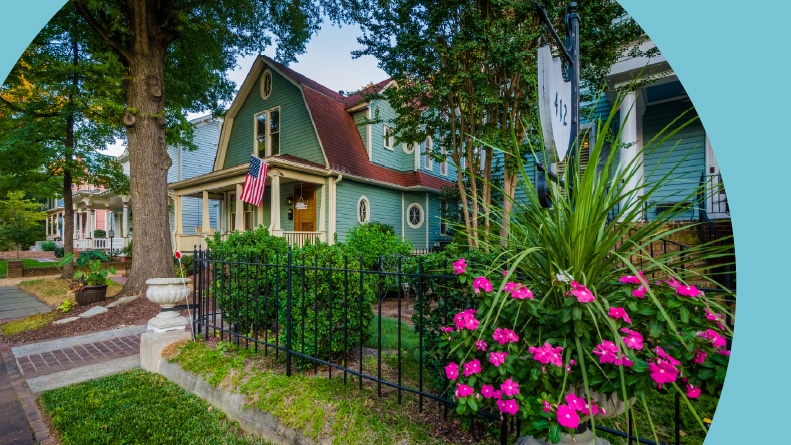
Charlotte has plenty going on when it comes to museums, performing arts venues, and attractions around Uptown. The Mint Museum, the Bechtler Museum of Modern Art, the Harvey B. Gantt Center for African American Arts + Culture, and the NASCAR Hall of Fame are among the highlights. The Blumenthal Performing Arts Center hosts Broadway tours, concerts, and shows throughout the year.
The NoDa Arts District is another draw, with galleries, live music, and locally owned restaurants.
Sports
Charlotte is home to several professional and minor league teams.
- Carolina Panthers (NFL)
- Charlotte Hornets (NBA)
- Charlotte FC (MLS)
- Charlotte Knights (minor league baseball)
Charlotte Motor Speedway in nearby Concord rounds out the lineup for racing fans.
Food, Drink, and the Outdoors
The food and drink scene has grown right along with the city, from old-school barbecue spots to upscale restaurants in South End and Dilworth, as well as dozens of craft breweries spread across the metro.
For retirees who like to stay active, Lake Norman has more than 520 miles of shoreline for boating and fishing, and the Anne Springs Close Greenway in Fort Mill covers 2,100 acres with trails for hiking, biking, and horseback riding.
Education Opportunities in Charlotte
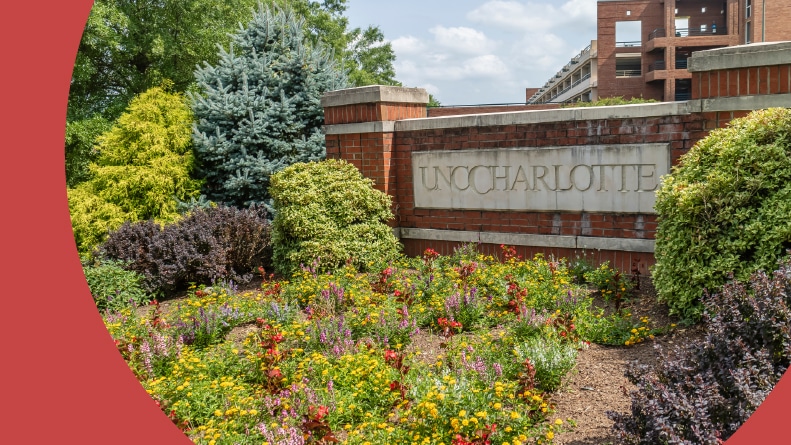
Charlotte also has several colleges and universities, many of which are great resources for retirees who want to keep learning or stay involved in campus life.
- University of North Carolina at Charlotte: Enrolls close to 30,000 students and offers more than 170 undergraduate and 150 graduate programs.
- Queens University of Charlotte and Johnson C. Smith University: Two private institutions with deep roots in the city.
- Central Piedmont Community College: A major community college in the Carolinas, serving more than 52,000 students across multiple campuses.
Several of these schools offer continuing education and audit programs, so you can sit in on classes or pick up something new without working toward a degree.
FAQ: Retiring in Charlotte, NC
Is Charlotte, NC, a good place to retire?
Charlotte is one of the more affordable major cities in the country and offers mild weather, strong health care, a growing cultural scene, and easy access to both the Blue Ridge Mountains and the Atlantic coast. The cost of living is only about 1% above the national average. The main tradeoffs are car dependence and hot, humid summers.
What is the cost of living in Charlotte?
Charlotte’s cost of living is about 1% higher than the national average, making it one of the most affordable big cities in the U.S. The median home price is around $550,000, and average rents run about $1,650 per month. Housing costs are roughly 1% above the national median. Compared to major metros on the coasts, Charlotte offers significantly more purchasing power for retirees on fixed incomes.
What are taxes like for retirees in Charlotte?
North Carolina does not tax Social Security benefits and has no estate or inheritance tax. The flat state income tax rate dropped to 3.99% in 2026. Pensions, 401(k) distributions, and IRA withdrawals are taxed at the flat rate. Also, Mecklenburg County’s effective property tax rate is below the national average.
What is the weather like in Charlotte?
Charlotte has four distinct seasons without extremes. Summer highs average near 90 degrees in July and August. Winters are mild with very little snowfall. Hurricanes occasionally bring heavy rain, but direct hits and major snowstorms are both rare. The moderate climate supports year-round outdoor activities.
What outdoor activities are available in Charlotte?
Charlotte offers extensive outdoor recreation. The U.S. National Whitewater Center covers 1,300 acres with kayaking, rock climbing, and mountain biking. Lake Norman has over 520 miles of shoreline for boating and fishing. Lake Wylie and Freedom Park add more options. The Anne Springs Close Greenway in Fort Mill covers 2,100 acres with trails for hiking, biking, and horseback riding. The Blue Ridge Mountains are a couple of hours west, and East Coast beaches are about the same distance east.
What are the best suburbs of Charlotte for retirees?
Popular suburbs for retirees include Lake Norman (lakeside living with 520-plus miles of shoreline, about 20 miles north of Uptown), Matthews (small-town feel with a walkable downtown and parks), and Fort Mill (just across the South Carolina border, one of the fastest-growing suburbs in the region). The broader metro area, including Concord and Gastonia, offers additional options at varying price points.
Is Charlotte walkable?
Charlotte has walkable pockets (particularly in Uptown, South End, and NoDa), but the city is still mostly car-dependent. The CATS transit system operates the LYNX Blue Line Light Rail, buses, and the CityLYNX Gold Line streetcar, though routes are limited. A planned east-west Silver Line is in early development. For day-to-day errands and getting between neighborhoods, most residents need a car.
How big is Charlotte?
Charlotte has a population of about 900,000, making it the largest city in North Carolina and one of the 15 largest in the country. The broader metro area has grown to nearly 2.9 million residents. Despite its size, Charlotte moves at a more relaxed pace than many comparable cities, which is part of its appeal for retirees.
How close is Charlotte to the mountains and the beach?
Charlotte is in a geographic sweet spot. The Blue Ridge Mountains are about two hours west, offering hiking trails and scenic drives. The Atlantic coast, including beaches in the Myrtle Beach and Wilmington areas, is roughly the same distance east. This positioning gives retirees easy access to both mountain and beach weekend getaways without living in either environment’s climate extremes.
Are there continuing education opportunities for retirees in Charlotte?
Yes. UNC Charlotte enrolls nearly 30,000 students and offers a broad range of programs. Queens University of Charlotte and Johnson C. Smith University are private institutions with deep roots in the city. Central Piedmont Community College serves over 52,000 students across multiple campuses. Several of these schools offer continuing education and audit programs, allowing retirees to sit in on classes or learn something new without pursuing a degree.
Is Charlotte Right for You?
Charlotte is a great fit for retirees who want access to quality health care, mild weather, and plenty to do without paying big-city prices. The tax structure is favorable, the metro keeps growing with new amenities and infrastructure, and the location puts both the mountains and the coast within reach. It’s worth a visit if it’s on your list.
- Insights and market stats
- Instant new home alerts
- Answers from local 55+ experts