OVERVIEW
Staging a home helps buyers picture themselves living in the space, and it pays off. According to the National Association of Realtors’ 2025 Profile of Home Staging, 83% of buyers’ agents said staging makes it easier for buyers to visualize a property as their future home, and staged homes can sell for 1% to 10% more than similar unstaged homes.
Selling a home takes more than choosing the right price and putting up an accurate listing. Buyers are known for making snap judgments, sometimes within seconds of clicking on a photo or walking through the front door.
Staging your home is a set of strategies for presenting your house to highlight its strengths and help buyers connect with the space. It’s not about making your home look like it belongs in a magazine, but about helping buyers picture themselves living there.
The Benefits of Staging a Home
Staging isn’t just about making a house photograph well. According to the National Association of Realtors’ (NAR) 2025 Profile of Home Staging, 83% of buyers’ agents said staging makes it easier for buyers to visualize a property as their future home. Staged homes also tend to spend less time on the market and sell for more, with nearly three in 10 agents reporting a 1% to 10% increase in the final sale price compared to similar unstaged homes.
On a $400,000 home, even a 3% bump means an extra $12,000. Professional staging runs around $1,500 to $4,000, so the math is likely to work in your favor if you’re in a competitive market.
Which Rooms Matter Most
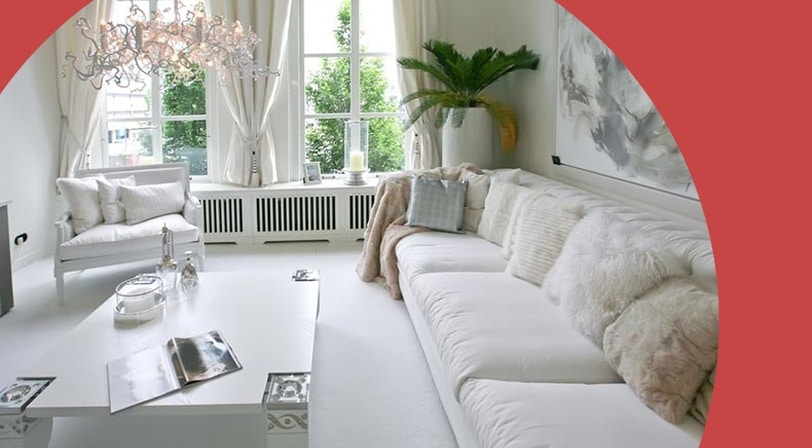
You don’t need to stage every room to make your home look its best when you’re trying to sell. According to the NAR, the rooms that matter most to buyers are the living room, the primary bedroom, and the kitchen. These are the spaces where people spend most of their time, so they leave the strongest impression during showings and in listing photos.
- Living room: This is where buyers can picture spending time every day, so it needs to feel open and inviting. Remove bulky furniture that makes the space feel smaller and keep the layout simple.
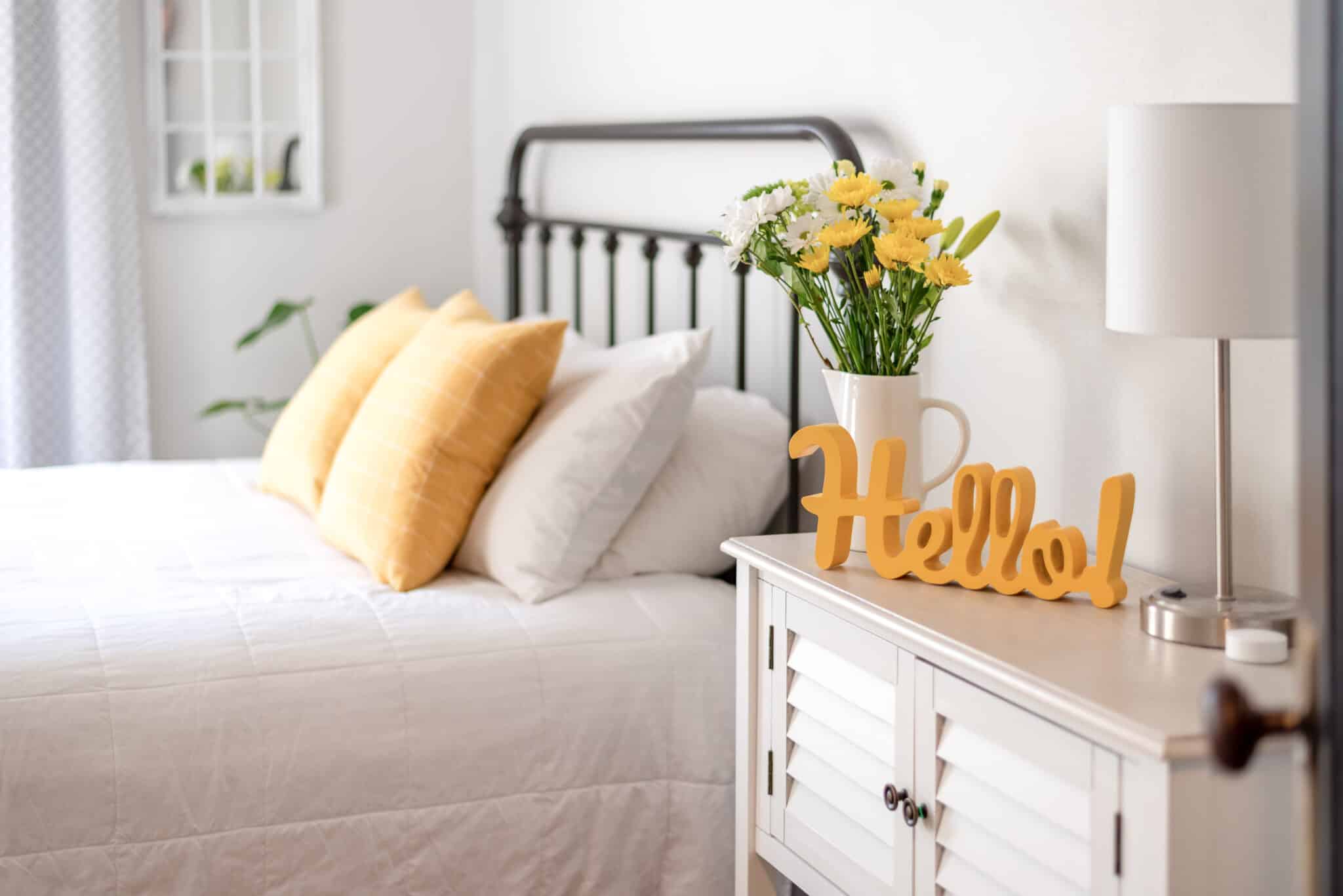
- Primary bedroom: Neutral bedding, minimal furniture, and good lighting can help this space feel more appealing.
- Kitchen: Clear the countertops, remove magnets and papers from the fridge, and add small touches like a bowl of fruit or a fresh plant. Buyers want to see counter space and cleanliness.
Dining rooms and bathrooms should get some attention too, but you don’t need to invest as much time or money. Spaces like home offices and guest rooms are considered the least important for staging.
If you’re selling in a 55+ community, don’t forget about the patio or lanai, even if it’s just a couple of chairs, potted plants, and a small table. Many active adult buyers are looking for homes where they can enjoy easy outdoor living without a lot of upkeep.
Should You Hire a Pro or DIY?
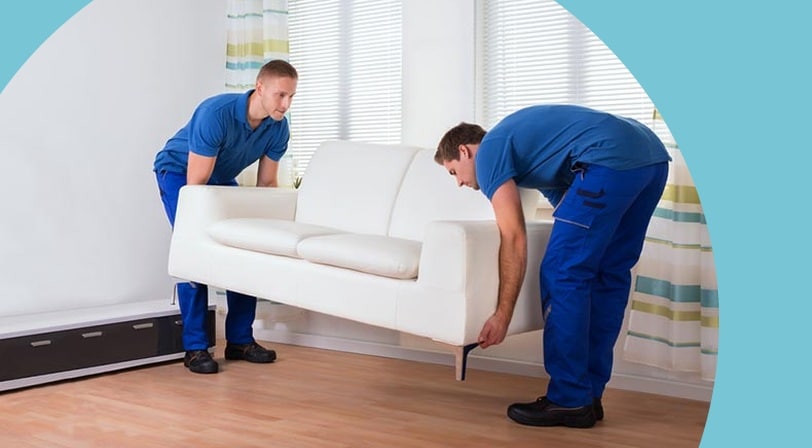
How much help you need depends on your home’s condition, your budget, and whether the home is occupied or vacant.
If your home is already furnished and in decent shape, you can handle most of the work yourself. Start by decluttering room by room and packing away anything that feels crowded or overly personal. Family photos, collections, and excess furniture should be stored. Then do a deep clean, or hire a cleaning service for a one-time scrub.
Top DIY Projects to Maximize the Benefits of Staging Your Home
- Neutralize your walls: Repaint bold accent walls in soft, neutral tones like warm whites or light grays.
- Maximize lighting: Open blinds and curtains, and replace dim bulbs with brighter ones.
- Don’t skip curb appeal: Mow the lawn, trim the hedges, and add a couple of potted plants near the entrance. If your front door looks worn, a fresh coat of paint is an inexpensive way to increase your home value and make a strong first impression.
Sellers in 55+ communities should also consider how the home functions for buyers downsizing. Keep closets and pantries tidy and only partially filled so it’s clear there’s enough storage. Wide, uncluttered pathways through every room help, too, since many buyers in these communities are thinking about comfort and aging in place over the long term.
When to Hire a Professional Stager
If your home is vacant, needs significant updates, or is in a slow market, a professional stager is usually worth the investment. Stagers know how to arrange rented furniture to make rooms feel bigger and brighter in ways that are hard to pull off on your own.
- Consultation only ($150 to $600): The stager walks through your home and gives you a list of recommendations. Some sellers stop there and do the work themselves.
- Full-service for an occupied home ($1,000 to $3,000): The stager works with your existing furniture and brings in select pieces, artwork, and accessories to polish the look.
- Full-service for a vacant home ($3,000 to $6,000): The stager rents and delivers all the furniture. Most contracts run 30 days, with additional monthly fees if the home hasn’t sold by then.
- Virtual staging ($50 to $130 per image): A designer digitally adds furniture and decor to your listing photos. It’s far cheaper than physical staging and can make a real difference online, though buyers will still walk into an empty home during showings.
Your real estate agent may also be able to help. Some agents cover part of the staging cost or have relationships with local stagers who offer discounted rates.
Common Staging Mistakes to Avoid

- Leaving personal items everywhere: Family photos, religious items, and personalized decor make it harder for buyers to picture themselves in the space. Pack them away before showings.
- Ignoring smells: You might be used to the way your home smells, but buyers notice pet odors, cooking smells, and mustiness immediately. Deep clean carpets and upholstery, air out the house before showings, and keep scents neutral.
- Over-staging: A few well-placed accessories add warmth, but too many decorative items can make a room feel cluttered and forced.
- Forgetting curb appeal: Buyers start forming opinions before they walk through the front door. A neglected yard or faded front entrance sets a negative tone for the entire showing.
- Neglecting small repairs: Worn cabinet hardware, old light fixtures, and dingy switch plates might seem minor, but they signal to buyers that the home hasn’t been well-maintained.
Make It Easy for Buyers to Say Yes

Staging is about removing the distractions that keep buyers from connecting with your home. When someone walks through a well-staged space, they spend less time noticing what’s wrong and more time imagining what life could look like there. Talk to your agent, take an honest look at your space, and figure out what makes sense for your budget and timeline.
FAQ: Staging a Home
What is home staging?
Home staging is a set of strategies for presenting a house to highlight its strengths and help buyers picture themselves living there. It includes decluttering, depersonalizing, rearranging or renting furniture, and improving lighting and curb appeal. The goal is connection, not a magazine-ready look.
Is staging a home worth it?
Yes, for most sellers in competitive markets. According to the National Association of Realtors’ 2025 Profile of Home Staging, 83% of buyers’ agents said staging makes it easier for buyers to visualize a property as their future home. Staged homes also tend to spend less time on the market.
How much does it cost to stage a home?
Professional staging typically runs $1,500 to $4,000, though the price depends on the service level. A consultation alone costs $150 to $600, full-service staging for an occupied home runs $1,000 to $3,000, and staging a vacant home with rented furniture costs $3,000 to $6,000.
Does staging increase a home’s sale price?
It often does. Nearly three in 10 agents in the NAR’s 2025 report said staging led to a 1% to 10% increase in the dollar value offered compared to similar unstaged homes. On a $400,000 home, even a 3% bump means an extra $12,000.
Can I stage my home myself?
Yes, if your home is furnished and in decent shape. Start by decluttering room by room, packing away personal items, and doing a deep clean. Repainting bold walls in neutral tones, maximizing lighting, and tidying up the yard are all effective DIY projects.
What is virtual staging?
Virtual staging is when a designer digitally adds furniture and decor to your listing photos, usually for $50 to $130 per image. It’s far cheaper than physical staging and can improve your online listing, but buyers will still walk into an empty home during in-person showings.
How long does a staging contract last?
Most full-service staging contracts for vacant homes run 30 days. If the home hasn’t sold by then, expect additional monthly fees to keep the rented furniture in place. Ask about renewal terms before signing so the costs don’t catch you by surprise.
Should I remove personal items when staging?
Yes. Family photos, religious items, and personalized decor make it harder for buyers to picture themselves in the space. Pack them into storage before showings, along with collections and any excess furniture that crowds a room.
How do I stage a home in a 55+ community?
Focus on easy living and outdoor space. Stage the patio or lanai with a couple of chairs, potted plants, and a small table, since many active adult buyers want low-maintenance outdoor living. Keep closets only partially filled to show storage space, and leave wide, uncluttered pathways for buyers considering long-term comfort and accessibility.
How do I find a 55+ community after selling my home?
Start by searching 55places.com, where you can compare thousands of active adult communities across the country by price, location, and lifestyle. If you haven’t sold yet, 55places can connect you with a local real estate expert who can help you sell your current home and time both moves so they line up smoothly.
Sell Your Home, Find Your Next One
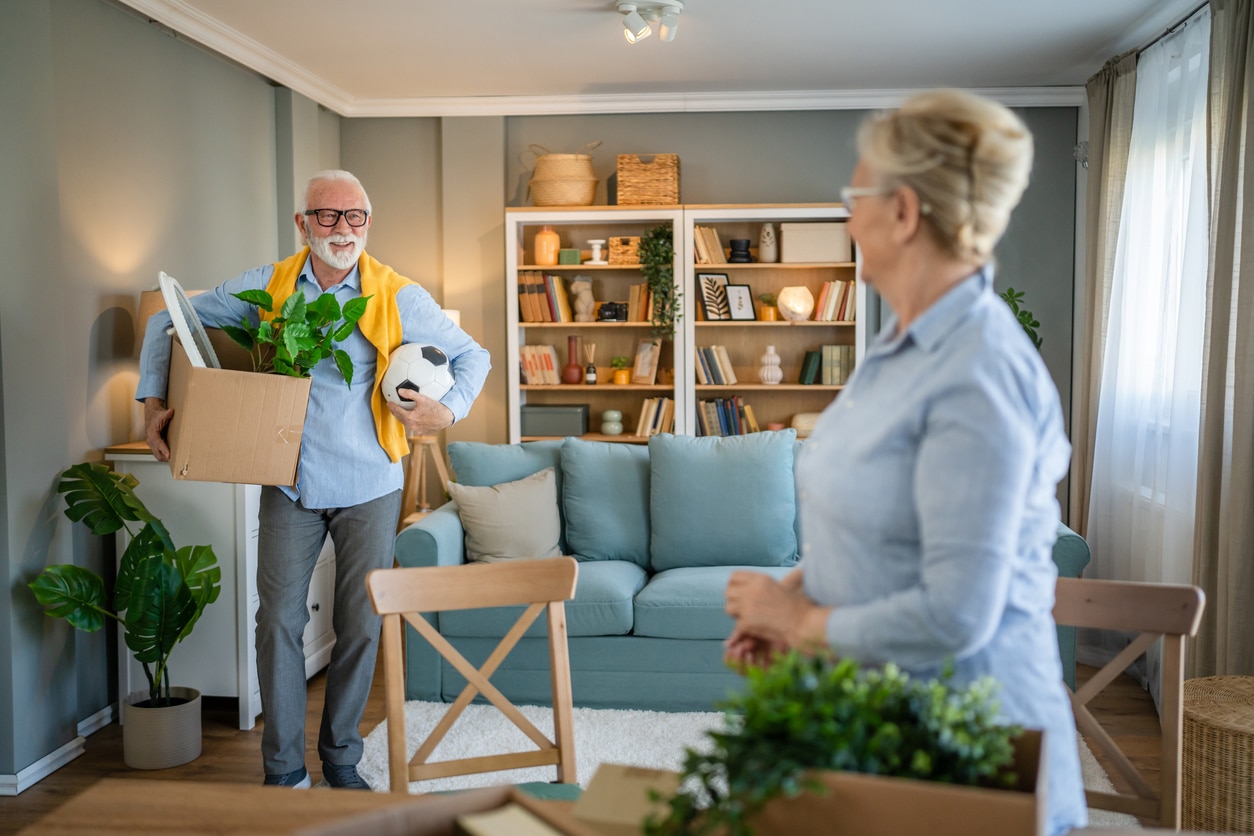
The move to a 55+ community goes smoother when both sales line up. Get expert help selling your home and search active adult communities across the country with 55places.com.
- Insights and market stats
- Instant new home alerts
- Answers from local 55+ experts