OVERVIEW
Nature-friendly 55+ and active adult communities across the United States incorporate dedicated greenspaces, forested trails, nature preserves, community gardens, and outdoor clubs into their design and lifestyle programming. Notable examples include Pelican Preserve in Fort Myers, Florida, Island Walk in Naples, Florida, and Sun City Texas in Georgetown, Texas. These age-restricted communities offer amenities such as birdwatching groups, guided nature walks, hiking clubs, and environmental volunteering outings to support an outdoor-focused retirement lifestyle.
There’s a growing desire among active adults to stay connected to nature in retirement. Fortunately, an outdoors-loving retiree will find that 55+ communities across the nation offer amenities ideal for a nature enthusiast’s lifestyle. These communities incorporate dedicated greenspaces like parks, event lawns, forested trails, gardens, and even protected conservation areas to provide residents with easy access to nature.
Many communities will further encourage a nature-forward lifestyle with a calendar full of outdoor clubs and activities, including bird watching groups, group hikes, and environmental volunteering outings. These outdoor activities offer residents opportunities to spend time outdoors, learn something new, find a new hobby, and connect with fellow nature lovers.
To help retirees who want to spend more time outdoors, we’ve created a comprehensive guide to nature-friendly communities and the amenities they offer. Whether you’re just starting your search or halfway down the trail to finding a home, this guide should provide options for compatible communities and a better understanding of what makes a community nature-friendly.
Why Nature Matters in 55+ Living

Many 55+ communities promote healthy and active lifestyles by offering nature-focused amenities. Dedicated greenspaces, nature trails, and yoga lawns provide convenient ways for residents to get outside and connect with neighbors. Greenspaces and parks beautify a community, but nature enhances the lifestyle of 55+ adults in other ways as well.
Mental and Physical Health
Numerous research studies and systematic reviews prove tangible physical and mental benefits for any 55+ nature enthusiast. Participating in regular outdoor physical activities like hiking, kayaking, and biking is proven to improve cardiovascular health, balance, strength, and endurance. Some studies also show that spending time in nature may protect retirees from metabolic diseases and reduce the risk of Alzheimer’s disease.
The benefits extend past physical fitness, as immersing oneself in nature can also improve mental health in active adults. Calming activities such as taking a walk in a forest, planting seeds in a garden, eating a meal in a park, and birdwatching can improve one’s mood, lower stress, and reduce blood pressure.
One easygoing outdoor activity that is becoming increasingly popular in America is forest bathing, a Japanese practice that involves experiencing nature in a deliberate, focused way. According to several studies, forest bathing offers a list of potential health benefits, including improved mental health and cardiovascular function.
New Friendships
Nature also presents opportunities for active adults to connect with the earth and each other. Getting out of the house allows active adults to meet new people and spend time with loved ones in a setting that actively improves mental and physical health. Most outdoor activities can be done with a partner or a group, including hiking, fishing, and picnics.
Many nature-friendly active adult communities also offer calendars full of clubs and lifestyle activities that encourage spending time outdoors. These meet-ups include outdoor activities such as nature education programs, group hikes, gardening, and wildlife watching.
Nature Education Programs

Active adults who want to learn more about local ecosystems and the environment should consider enrolling in a nature education program offered at their 55+ community. Nature-related courses can span a wide variety of topics, including native plants and gardening, wildlife identification, and sustainability.
For active adults, retirement presents the ideal time to learn something new or take up a new hobby. Residents of nature-loving communities can learn skills such as cultivating a successful garden, living a more eco-friendly and sustainable lifestyle, and navigating trails. They’re also a way to bond with like-minded neighbors as you learn together.
Nature education contributes to lifelong learning among 55+ adults, fostering a mentally engaging lifestyle. Attending workshops and seminars and hearing guest speakers is known to help 55+ adults by improving self-esteem, reducing the risk of dementia, and promoting a healthy social life with fellow residents.
Active Adult Communities Featuring Nature Education:
- Canoa Seca Estates – Green Valley, AZ
Nature Education - Country Club Vistas – Green Valley, AZ
Nature Education - San Ignacio Golf Estates – Green Valley, AZ
Nature Education - San Ignacio Vistas – Green Valley, AZ
Nature Education - The Villages at Broadlands – Ashburn, VA
Nature Programs
Nature Clubs and Organized Nature Groups

Nature-loving communities include social calendars with clubs and group activities that foster connections with other residents and the outdoors. Among these clubs and activities, residents can find birdwatching groups, hiking clubs, gardening clubs, fishing clubs, foraging groups, and environmental conservancy groups.
Clubs and group activities allow like-minded individuals to meet and share experiences, including experiences involving the natural environment. Creating lasting social connections is key for active adults wanting to live a healthy lifestyle, and 55+ communities make it easy to try new hobbies or cultivate lifelong interests.
Communities may also offer opportunities to volunteer in nature through activities like maintaining local trails, protecting wildlife habitats, cleaning up waterways, or becoming a nature guide. Improving the environment and helping the local community is a fulfilling endeavor for a nature lover looking to make a difference.
Active Adult Communities Featuring Nature Clubs:
- Heritage Park – Sacramento, CA
Birds & Nature Club - Trilogy at Rio Vista – Rio Vista, CA
Nature Club - Heritage Isle – Viera, FL
Nature Club - Valencia Pointe – Boynton Beach, FL
Bird & Nature Club - Wynmoor Village – Coconut Creek, FL
Nature Club - Leisure Knoll – Manchester, NJ
Garden Nature Club - Leisure Village West – Manchester, NJ
Nature Club - Amblebrook – Gettysburg, PA
Nature Club - Sun City Texas – Georgetown, TX
Nature Club - Sunshine Country Club Estates – Harlingen, TX
Birding & Nature Club - Pelican Landing – Bonita Springs, FL
Nature Photography Club
Active Adult Communities Featuring Nature Groups:
- Tree Tops – Lancaster, SC
Nature Groups - Spruce Creek Country Club – Summerfield, FL
Nature Explorers - Cresswind at Victoria Gardens – DeLand, FL
Nature Walks Group - Arlington Ridge – Leesburg, FL
Friends of Nature - Rossmoor – Walnut Creek, CA
Nature Association
Guided Nature Walks and Outdoor Activities

Walking on paths through forests, gardens, and greenspaces is an ideal way for active adults to immerse themselves in nature with minimal effort. Many 55+ communities include paved and natural paths throughout their scenic grounds and the surrounding greenspaces, providing accessible opportunities for residents to get out and walk.
Communities will also hold scheduled group walks for those looking to be around others while they enjoy their stroll. Some communities also offer resident-led or expert-led nature tours that involve descriptions of local wildlife and environmental features.
Active adults should choose a walking path that meets their accessibility needs and considerations. Some paths may be well-maintained and well-marked, while others in more natural areas may be too rugged or difficult to navigate for a leisurely walk.
Active Adult Communities Featuring Nature Walk:
- Verona – Highlands Ranch, CO
Nature Walk - Pelican Preserve – Fort Myers, FL
Nature Walks - Cypress Falls at The Woodlands – North Port, FL
Nature Hike
Onsite Nature Preserves
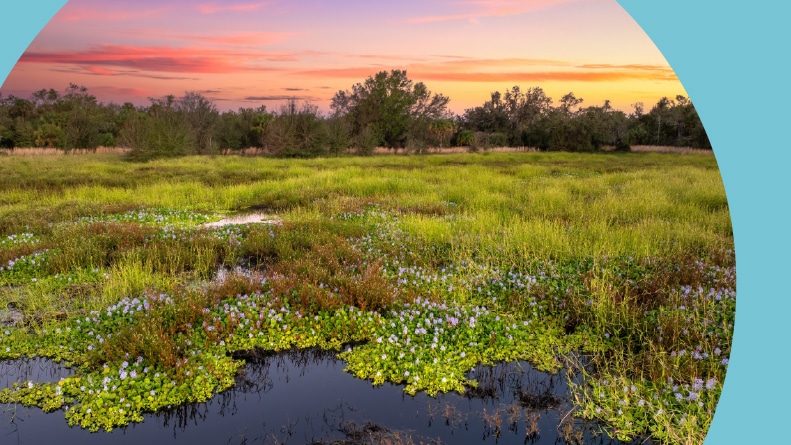
Unlike a typical neighborhood park with athletic courts and lawns for recreation, nature preserves tend to conserve the natural ecosystem as much as possible, with minimal human interference. 55+ communities incorporate nature preserves by designating a portion of the grounds as a protected habitat for passive recreation, such as hiking, wildlife viewing, and forest bathing.
Nature preserves beautify a community and provide easy access to a serene greenspace for residents to enjoy. They often include walking trails that allow visitors to immerse themselves in a setting that protects the environment and sustains native wildlife.
Nature preserves and dedicated greenspaces within a community often reflect that nature was a focus of the community’s design. A community with a nature preserve also indicates that the developer cares about its residents’ lifestyle rather than maximizing the number of homes that can fit on the property.
Active Adult Communities Featuring Nature Preserves:
- Island Walk – Naples, FL
Nature Preserve - Legacy of Leesburg – Leesburg, FL
Nature Garden
How to Find a Nature-Friendly 55+ Community

There are several characteristics retirees should look for when searching for a nature-friendly community. Communities right for a nature enthusiast should showcase the natural ecosystem with nature preserves, greenspaces, and gardens, and include other outdoor amenities like event lawns, fire pits, and walking paths.
Nature-friendly communities should boast a lifestyle calendar with activities an outdoorsy resident would enjoy, such as nature clubs, birdwatching groups, hiking clubs, and conservation groups. There may also be opportunities for active adults to volunteer to help improve the local ecosystems or learn something new in an educational nature course.
To tell if a community is nature-friendly, outdoorsy homebuyers should ask questions like:
- How much land in the community is a dedicated greenspace or preserved habitat?
- How often do nature-related clubs and groups meet?
- Are there areas within the community where I can forest bathe or immerse myself in nature?
- Are the walking paths accessible to me?
- Are there natural spaces I want to explore in the area surrounding the community?
Overall, the right community comes down to individual needs and preferences. Retirees should consider how much they value different features like nature clubs and greenspaces, and then make a decision based on what’s right for them.
FAQ: Nature-Friendly 55+ Communities
What is a nature-friendly 55+ community?
A nature-friendly 55+ community is an active adult neighborhood that incorporates natural features into its design and lifestyle programming. These communities typically include dedicated greenspaces like parks, forested trails, gardens, nature preserves, and conservation areas. Many also offer nature-focused clubs and activities such as birdwatching groups, hiking clubs, gardening clubs, and environmental volunteering outings.
What are the health benefits of living near nature in retirement?
Living near nature offers both physical and mental health benefits for retirees. Regular outdoor activities like hiking, kayaking, and biking improve cardiovascular health, balance, strength, and endurance. Research also shows that spending time in nature may protect against metabolic diseases and reduce the risk of Alzheimer’s disease. On the mental health side, calming outdoor activities such as walking in a forest, gardening, and birdwatching can improve mood, lower stress, and reduce blood pressure.
What outdoor activities are available in nature-friendly 55+ communities?
Nature-friendly 55+ communities offer a wide range of outdoor activities. Common options include guided nature walks, group hikes, birdwatching, gardening, fishing, nature photography, and forest bathing. Many communities also have walking and biking trails, community gardens, yoga lawns, outdoor event spaces, and fire pits. Organized clubs bring residents together for these activities on a regular schedule, and some communities offer environmental volunteering opportunities such as maintaining trails, protecting wildlife habitats, and cleaning up waterways.
Are there 55+ communities with nature preserves?
Yes, some 55+ communities include on-site nature preserves that protect natural ecosystems for passive recreation like hiking, wildlife viewing, and forest bathing. A community with a dedicated nature preserve typically reflects a design philosophy that prioritizes residents’ lifestyle and connection to the environment rather than maximizing the number of homes on the property.
Do 55+ communities have hiking and walking trails?
Yes, many 55+ communities include paved and natural walking trails throughout their grounds and surrounding greenspaces. These trails provide accessible opportunities for residents to walk, hike, and immerse themselves in nature without leaving the community. Some communities also host scheduled group walks and offer resident- or expert-led nature tours that include descriptions of local wildlife and environmental features.
Are there 55+ communities with gardening programs?
Yes, gardening is one of the most popular outdoor activities in nature-friendly 55+ communities. Many communities offer community gardens, individual garden plots, and gardening clubs where residents can grow flowers, vegetables, and herbs. Nature education programs in some communities cover topics like native plants and sustainable gardening techniques. Gardening provides physical activity, stress relief, and social connection — residents can learn new skills and bond with neighbors over shared plots. Communities with active garden clubs include several in the Green Valley, Arizona, area and throughout Florida and the Northeast.
What should I look for in a nature-friendly 55+ community?
When evaluating a nature-friendly 55+ community, look for dedicated greenspaces, nature preserves, and gardens within the grounds. Check for outdoor amenities like walking trails, event lawns, fire pits, and accessible paths. Review the community’s lifestyle calendar for nature clubs, birdwatching groups, hiking clubs, gardening programs, and conservation activities. Ask how much land is preserved as natural habitat, how often nature-related groups meet, whether walking paths are accessible to your needs, and what natural areas surround the community.
How do nature-friendly 55+ communities encourage social connection?
Nature-friendly 55+ communities encourage social connection through organized outdoor clubs, group activities, and shared greenspaces. Birdwatching groups, hiking clubs, gardening clubs, fishing clubs, and environmental volunteering outings bring residents together around shared interests. Scheduled group walks, nature tours, and outdoor events create regular opportunities to meet neighbors in a relaxed setting. For active adults, these nature-based social activities combine the mental and physical health benefits of being outdoors with the emotional benefits of meaningful friendships and community belonging.
What kinds of volunteer opportunities are available in nature-friendly communities?
Many nature-friendly 55+ communities offer environmental volunteering opportunities for residents who want to give back. Common activities include maintaining local trails, protecting wildlife habitats, cleaning up waterways, and serving as nature guides. Some communities partner with local conservation organizations to coordinate these efforts. Environmental volunteering provides a sense of purpose and fulfillment while keeping residents physically active and socially connected.
How do I find a 55+ community near natural areas?
To find a 55+ community near natural areas, start by identifying the type of outdoor environment you prefer: coastal, mountainous, forested, or desert. Then research communities in those regions that feature nature-focused amenities like trails, preserves, and gardens, along with lifestyle programming such as nature clubs and outdoor activities. Browse 55places.com to search communities by location and amenity type, or contact a 55places real estate expert who can help evaluate your goals and find a community that supports your outdoor lifestyle.
Browse Nature-Friendly 55+ Communities
Homebuyers ready to enjoy the fresh air should browse 55places to find a nature-friendly community. We also encourage you to speak with one of our real estate experts, who can help you evaluate your goals and find a community that supports your outdoor lifestyle.

- Insights and market stats
- Instant new home alerts
- Answers from local 55+ experts