OVERVIEW
Living in a 55+ community typically costs the home purchase price plus $200 to $400 a month in homeowners association (HOA) dues, with full-amenity communities often topping $500. Newly built age-restricted homes carried a median price of $523,000 in 2026, roughly 27% above comparable new construction—property taxes, utilities, insurance, and optional golf or dining fees round out the monthly budget.
For decades, active adult communities have reshaped the retirement experience by blending comfort, convenience, and community. Today, thousands of these communities cater to the growing demand for well-designed homes, extensive amenities, and a social calendar built for adults entering a new chapter of life. But with so many appealing features to weigh, from maintenance-free living to golf memberships, many prospective buyers wonder: How much does it cost to live in a 55+ community?
The answer varies widely based on factors like location, housing type, and lifestyle preferences. This comprehensive guide explores the full financial picture, from upfront home prices to hidden fees, to help you make an informed decision about whether age-restricted living is the right fit for your budget and goals.
Types of Active Adult Communities

Active adults can find communities designed to meet their needs nationwide, especially in retirement hotspots like Florida, Arizona, and Texas. With so many communities to choose from and a dizzying array of home types and floor plans, it can be tricky to narrow down your options. Making the right decision starts with understanding the differences between common active adult community types.
Age-Restricted vs. Age-Targeted
The first distinction to make is whether a community is age-restricted or age-targeted. Age-restricted communities require that at least 80% of the homes are inhabited by someone who meets the age requirement, usually 55 and older but sometimes 62 and older. These communities have legal grounds to enforce their age requirements.
On the other hand, age-targeted communities appeal to active adults but do not require a minimum age. These communities often feature desirable amenities and floor plans but without an age requirement.
Rental vs. Ownership Options
Active adults can also choose between renting and owning a home. Active adults can take the traditional route of buying a home with a mortgage, or they can rent. Both choices have their advantages.
Renting an apartment or home in a 55+ community usually means residents aren’t responsible for interior or exterior maintenance, which works well for those who plan to travel. Renting offers a straightforward monthly payment without the rigmarole of buying a home, and most rentals offer a welcome opportunity to downsize from a larger home. Snowbirds also benefit from the opportunity to live in a short-term rental.
Owning a home in an age-restricted community means you can do with it what you wish as long as your personalizations and customizations stay within the parameters of the homeowners association (HOA). Homeowners in active adult communities build equity and ownership in a neighborhood, which often creates a greater sense of stability. Monthly fixed mortgages don’t tend to rise in price, so homeowners do not have to worry about potential rent increases.
New Construction vs. Resale Communities
Active adult community developers continuously build new communities across the country, offering active adults the exciting opportunity to become the first residents of a new construction home. Buyers can work with developers to customize their home by choosing a plan from a selection of options before personalizing it with add-ons and special features.
For those who want to skip the design process and wait for a new home, plenty of resale opportunities are available. Resale homes often come with a far more affordable price tag, giving buyers the benefits of the community at a more reasonable cost than new construction.
Cost Impact
When it comes to how much it might cost to live in a 55+ community, the answer is the same as if you were to consider houses outside age-restricted neighborhoods: It varies greatly. Overall cost depends on several factors, including location, square footage, local taxes, and community fees.
That said, homes in age-restricted communities may be a better value than those in traditional neighborhoods because of the amenities, activities, and maintenance. These benefits would cost more separately than they do together. The well-rounded benefits of an active adult community also encourage a healthier, more enjoyable lifestyle. Age-restricted communities can also be found in areas with low property taxes because they lack schools that require funding from those taxes.
Upfront Costs to Expect

Current homeowners and first-timers alike should know that buying a home comes with several costs and fees. However, buying a home in an active adult community can add financial considerations that even experienced homeowners may not know about. The 55+ housing market changes year by year, making it more important than ever to stay up to date on current trends.
Home Purchase Price
Several factors contribute to a home’s purchase price, especially its location. Market conditions in any given area constantly rise and fall, so a home’s purchase price can fluctuate over time. Active adults purchasing a home in one of the country’s best buyer’s markets will likely receive a much better bang for their buck than in one of the country’s toughest markets.
Are 55+ community homes cheaper than regular homes in the same area? Not necessarily. A July 2026 analysis of Census construction data by NAHB found that newly built age-restricted single-family homes carried a median price of $523,000. That’s about 27% higher than the $412,000 median for non-age-restricted new homes.
Most of that gap comes down to size and features. New age-restricted homes averaged roughly 2,500 square feet versus about 2,100 for non-age-restricted new construction, and they tend to arrive amenity-rich. That premium applies to new construction, though. Resale homes and local market dynamics vary widely, and a smaller pool of age-eligible buyers can soften resale prices in some markets. So while active adults can certainly find luxury active adult communities, there’s no blanket rule that homes in these communities cost more or less. The figure that matters is the one for the specific home and market you’re weighing.
Down Payment and Financing Costs
A down payment is a lump sum of cash buyers pay upfront toward a home’s total cost. It usually consists of a percentage of the home’s overall price and determines how much of the mortgage you’ll need to pay each month.
Typically, down payments range from 3% to 20%. A higher down payment means a lower monthly cost, while a smaller down payment may incur additional fees, depending on the loan source.
Putting a down payment gives the buyer equity, which is the portion of the home they have paid off. When homeowners buy a new home, they can use equity as a down payment.
Closing Costs
Closing costs include all expenses paid to purchase a home other than the purchase price itself. Closing costs include many expenses, each with a different price. Common closing costs for buyers include insurance, appraisal fees, and prorated property taxes.
Traditionally, sellers pay the commission for both their own and the buyer’s real estate agents, but recent market shifts have led buyers to pay for their own agents. Another thing to keep in mind is that closing costs are often used as bargaining chips and can be used to negotiate overall expenditures.
HOA or Community Initiation Fees
Another upfront cost to expect when purchasing a home in an active adult community is an initiation fee. These fees are often a one-time payment for new residents that integrates them into the homeowners association (HOA).
Depending on the community, these fees can range anywhere from $100 to an entire year’s worth of dues. Active adult homebuyers should review this expense before buying to ensure they have budgeted for it appropriately.
Monthly and Recurring Expenses
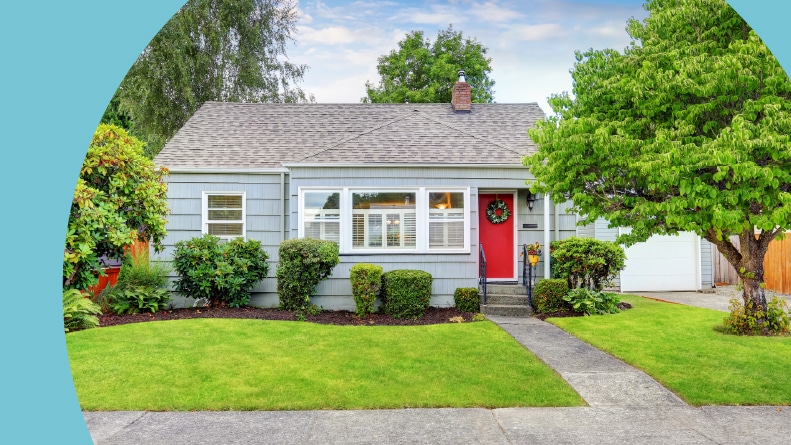
Any home in an active adult community will come with monthly and recurring expenses, though costs can vary widely by community. Common recurring expenses include HOA fees, dock fees, golf membership fees, and landscaping fees. Residents may also pay the community for shared utilities such as internet access, phone service, trash, and sewer. Residents should keep a comprehensive budget of their recurring expenses to track what needs to be paid and when.
Homeowners Association or Condo Fees
Residents of active adult communities often pay HOA fees monthly or annually. HOA fees go towards the conveniences offered in a given community, including amenity upkeep, landscaping, lawn maintenance, exterior home maintenance, and security.
The tasks HOAs complete vary from one community to the next, as does the amount homeowners pay each year. An easy way to determine if an HOA fee is a good value is to compare it to another community. Services across communities are often comparable, giving you a broader view of what the fees can cover.
For national context, the 2024 American Community Survey from the U.S. Census Bureau put the median monthly HOA or condo fee at $135 across all owner-occupied homes paying one, and $184 for owners without a mortgage, a common profile for active adult buyers. Active adult HOAs usually cover more, though, so their dues tend to run higher. Commonly cited industry estimates range from roughly $200 to $400 a month, with full-amenity communities topping $500. Those ranges are estimates, not government figures, so treat them as a starting point and confirm the actual number for any community you’re considering.
Related Articles:
- How Much Do HOA Fees Go Up Over Time in a 55+ Community?
- Buying a Home With or Without an HOA
- Everything You Need to Know About a 55+ Community HOA
Property Taxes
Property taxes differ from state to state and even city to city based on values determined by a property assessor. An ongoing debate is whether 55+ community residents should pay less in property taxes. Some active adults also believe they should not have to fund public schools since they don’t use them directly.
Luckily, active adults can apply for several exemptions and breaks that help ease the burden of property taxes. If they meet the eligibility requirements, homeowners 55 and older can benefit from exemptions like the Senior Citizen Homestead Exemption and the Senior Citizen Assessment Freeze Exemption, which prevents property tax rates from increasing. Relief programs and eligibility vary widely by state and locality, so it’s worth checking with the county assessor to see what a specific community’s homeowners qualify for.
Utilities
Utility costs depend on where you live, how much you use, and how well your home helps you save. Active adult community builders constantly innovate to make their homes as efficient as possible using smart home technology, advanced roofing materials, and modern windows. Still, active adults can save money by limiting their energy and water use.
Homeowners Insurance
A home is an important investment, and homeowners insurance protects that investment. Individual plans vary, but homeowners insurance can cover many claims, including fire damage, lightning damage, vandalism, personal property damage, and even health expenses if a non-resident is injured on the property. For renters, renters insurance follows many of the same guidelines.
Homeowners insurance can also cover damage from natural disasters, though rates can be high depending on the home’s location. For example, homeowners near lakes, rivers, or coastlines should expect to pay more for flood insurance, and those in the Southeast can expect hurricane insurance to cost a good amount.
Related Articles:
- What Insurance Do You Need for a Home in a 55+ Community?
- How Much Does Homeowners Insurance Cost in a Retirement Community?
- Homeowners Insurance for Seniors: A Comprehensive Guide
Clubhouse or Amenity Fees
HOA fees usually include the costs of maintaining clubhouses and amenities, though exceptions may exist. A community’s HOA or property management company usually ensures common areas stay clean, operable, and enjoyable. These fees can also cover common-area maintenance and community landscaping.
Since HOA dues, taxes, and amenity fees swing so widely from one community to the next, the only budget that really matters is the one built around the communities you’re actually considering. A local 55+ expert can pull the real monthly and closing numbers for the communities on your list, so you’re comparing actual figures instead of ranges.
Lifestyle-Related Costs

Although HOA fees often cover amenity maintenance and lifestyle directors is often included in HOA fees, residents may still need to pay for elective services. Most of these lifestyle-related costs are completely optional and depend on individual interests and hobbies. For example, daily golfers may splurge on an annual membership to a private golf club, while hobbyists might pay the daily rate when they tee up every once in a while.
Activities and Social Clubs
Age-restricted communities famously include many diverse activities and social clubs for residents to enjoy. Some communities employ a dedicated lifestyle director to schedule and host a busy calendar of events to entertain homeowners. Clubs and activities provide exciting opportunities to hang out with neighbors and meet like-minded individuals.
Some activities might be included for residents, such as regular fitness classes, card and game nights, and dances. Other activities, especially those outside the community, may cost extra, such as going out to lunch, attending an opera or play, or visiting a festival.
Related Article: What Is a Lifestyle Director? (And Why Your 55+ Community Needs One)
Onsite Dining or Cafes
Larger active adult communities may house restaurants and cafes for residents looking to eat out close to home. Depending on the community, these eateries can range from casual grills beside a golf course to upscale dining establishments with acclaimed chefs. Other options may include a coffee bar or cafe where residents can buy a quick, barista-made drink.
For added convenience and savings, some low-maintenance communities offer monthly or annual dining packages. Residents get fresh, chef-prepared meals without leaving the neighborhood, and without the cost of eating out every night.
Transportation Services
Homeowners 55 and older who are tired of the hassle of driving can find that their community offers transportation services around the community and the surrounding area. These services make it easy to get to places like the airport or even the grocery store, but they sometimes come at a cost.
Related Article: Do 55+ Communities Offer Transportation Services?
Fitness and Wellness Programs
The use of fitness centers, gyms, and yoga studios is often included in HOA fees, but extra classes and long-term wellness programs may come at an additional cost. From water aerobics classes to group yoga to bicycle clubs, residents typically have a choice of fitness activities, but they may need to purchase supplies and equipment.
Golf and Club Amenities
Some amenities require additional entrance or usage fees, most commonly for golf courses. Sometimes, residents of golf course communities will automatically be members, while other communities may require an additional membership fee. Other amenities, like spas or nail salons, may also cost residents extra.
Related Article: Is a Golf Membership Included in Your HOA Fees? What 55+ Buyers Should Know
Hidden or Unexpected Costs

Not all homeownership costs are upfront and expected, even in active adult communities. Active adults should set aside money for unforeseen expenses.
Special Assessments
Special assessments occur when HOAs or local governments collect funds from residents for special community projects. These may fund projects like repaving roads, upgrading boat docks, or renovating clubhouses. Though special assessments can cost residents upfront, the improvements may raise property values in the long run.
Interior Home Maintenance
Sometimes things break in a home, and it happens to everyone. From defunct water heaters to leaky sinks, homeowners should expect to spend money on maintenance within their beloved abodes.
Pet or Parking Fees
Certain fees for expenses like pets and parking may not be immediately apparent when considering a home in an active adult community. Still, interested buyers can find them with a bit of digging. Review HOA guideline manuals or ask a community representative to uncover additional costs.
Related Article: What You Need to Know About Having a Pet at a 55+ Community
Upgrade Packages in New Builds
Active adult community developers often offer customizable floor plans so buyers can personalize their dream home. Upgrades on base-model homes add cost, so home buyers should expect to pay more for additions like fireplaces, covered patios, second-story lofts, three-car garages, and finished basements.
Real-Life Cost Comparisons
So, how much does it cost to live in a 55+ community? To consider the full financial landscape, this guide breaks down realistic expenses at three well-known age-restricted communities.
While these average expenses offer clearer insight into the real cost of living in an active adult community, keep in mind that housing and real estate prices fluctuate. Also, HOA fees vary widely by home type and the level of maintenance provided. The cost-of-living figures below come from BestPlaces; estimates can vary by source and methodology, so treat them as a general benchmark rather than an exact measure.
| Community | Home Price Range | Property Taxes (annual) | Monthly HOA |
|---|---|---|---|
| On Top of the World in Ocala, FL | Low $100ks to high $600ks | $2,150 to $8,048 | $524 |
| Sun City in Sun City, AZ | Below $100k to low $1Ms | $349 to $4,084 | $227 to $1,725 |
| Latitude Margaritaville Hilton Head in Hardeeville, SC | Mid $300ks to mid $800ks | $2,400 to $4,880 | $329.11 to $374.56 |
On Top of the World – Ocala, FL
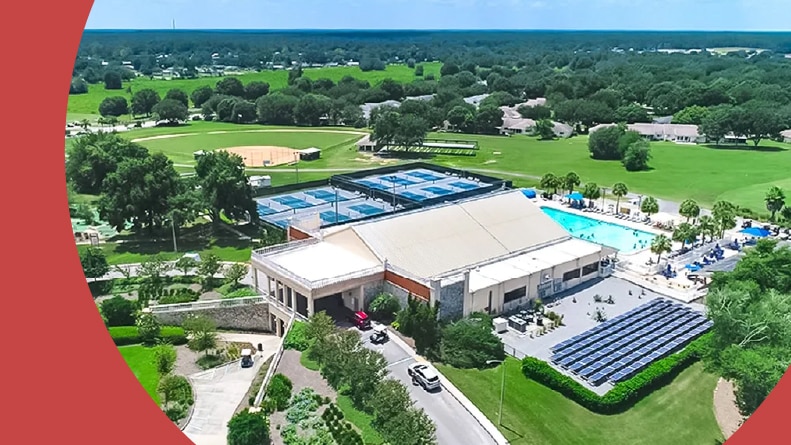
- Home Purchase Price: High $100ks – Mid $600ks
- Property Taxes: $2,150 to $8,048 / year
- Homeowners Association (HOA) Fees: $174 – $524 / mo
- Cost of Living in Ocala: 13% below the national average
- Golf: Annual fees for On Top of the World Golf Club (two private 18-hole courses): $4,895 single/$7,415 couple. Annual fees for World Golf Membership (access to On Top of the World Golf Club and Candler Hills Golf Club): $6,235 single/$9,395 couple. Daily resident rates range from $21 to $63.
- RV, Boat, and Trailer Storage: On-site storage for RVs, boats, trailers, and household goods is available at published monthly rates that vary by space size.
Sun City – Sun City, AZ

- Home Purchase Price: Below $100k – Low $1Ms
- Property Taxes: $349 to $4,084 per year
- Homeowners Association (HOA) Fees: $41 – $365 / mo
- Cost of Living in Sun City: 13% higher than the national average
- Property Assessment Fee: $680 / year (as of 2026)
- Golf: Annual golf passes covering all Recreation Centers of Sun City courses are available to residents, with no-fee and surcharge pass options as well as daily green fees.
Latitude Margaritaville Hilton Head – Hardeeville, SC
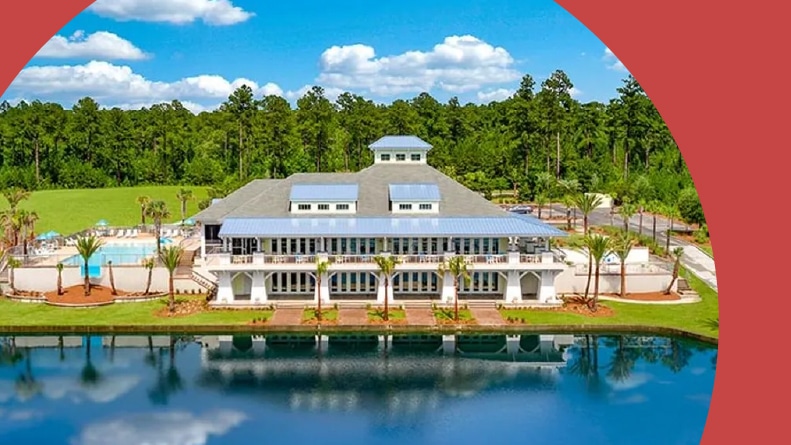
- Home Purchase Price: Mid $300ks – Mid $400ks
- Property Taxes: $2,400 to $4,880 / year
- Additional Fees Due at Closing: A Working Capital Contribution equal to 1/6 of the home’s annual base assessment; $100 donation to Latitude at Hilton Head Foundation.
- Homeowners Association (HOA) Fees: $329.11 to $374.56 / month
- Cost of Living in Hardeeville: 13.8% lower than the national average
Frequently Asked Questions
Is it cheaper to live in a 55+ community than staying in your current home?
Whether it’s cheaper to live in a 55+ community than staying in your current home really depends on your situation. The core financial trade is swapping unpredictable maintenance and repair bills for a predictable monthly HOA fee that bundles landscaping, exterior upkeep, and shared amenities. If your current home needs a new roof, HVAC system, or constant yard work, that predictability can pencil out in your favor. But net savings hinge on your home’s condition, the community’s fees, and your local market, so it pays to run the actual numbers before deciding.
What is the average HOA fee for a 55+ community?
There’s no single average HOA fee for a 55+ community, but here’s some context. Nationally, the median monthly HOA or condo fee sits around $135 across all owner-occupied homes, and closer to $184 for owners without a mortgage. Active adult communities usually run higher because their dues cover more, from clubhouses and pools to fitness centers and a full events calendar. Commonly cited industry estimates land around $200 to $400 a month, with full-amenity communities often topping $500. The most reliable figure is always the one for the community you’re considering.
Are 55+ community homes cheaper than regular homes?
Not as a rule. Recent NAHB analysis of Census data found that newly built age-restricted homes actually priced higher than non-age-restricted new construction, at a median of $523,000 versus $412,000, largely because they tend to be larger and amenity-rich. Resale homes tell a different story, since local demand and a smaller pool of age-eligible buyers can push prices in either direction. So whether 55+ community homes are cheaper than regular homes depends far more on the specific market, and on whether you’re buying new or resale, than on the age restriction itself.
What are the disadvantages of living in a 55+ community?
The disadvantages of living in a 55+ community are worth weighing honestly. HOA fees are an ongoing cost, and dues can rise over time or bring occasional special assessments for larger community projects. Communities also come with rules, covering everything from exterior paint colors to how long guests can stay, that not everyone welcomes. And because buyers must meet the age requirement, the resale pool is smaller, which can affect how quickly a home sells in some markets. For many residents, the amenities, low-maintenance living, and built-in social life more than balance these trade-offs.
What state has the most affordable 55+ communities?
There’s no single answer for which state has the most affordable 55+ communities, since prices vary by metro and even by neighborhood. That said, value-focused buyers often look to lower-cost-of-living areas across the Southeast and parts of the Sun Belt, where home prices and property taxes tend to run below the national average. Florida, Arizona, and the Carolinas all offer communities across a wide price spectrum. Because local numbers vary so much, the most reliable way to compare is to have a local expert pull current figures for the specific communities on your list.
Ready to Take the Next Step in Your Homebuying Journey?
Whether you’re seeking an affordable, maintenance-free lifestyle or a high-end, amenity-rich retirement, there’s an active adult community that fits your financial situation and vision for the future. With the right information and planning, you can confidently find a home that enhances your lifestyle without straining your finances. Contact 55places.com today!

- Insights and market stats
- Instant new home alerts
- Answers from local 55+ experts