Will moving to a 55+ community make it easier to find friends? Even though humans are very social creatures, each of us has a distinct personality, complete with likes, dislikes, passions, and fears. So, if you’re wondering how easy it is to make new social connections in a 55+ community, there’s no blanket answer. One size does NOT fit all when it comes to our social lives.
However, studies suggest that older adults find making friends in retirement easier when they move into a 55+ community. We’ve also compiled some information about making new friends at new locations as an adult to make the transition easy for you.
Let’s start with the formal research.
Social Connection Plays a Key Role in Health After 55

A growing body of research shows that friendships and social engagement are closely tied to well-being later in life. A recent national survey identified loneliness and social isolation as serious public health concerns for adults ages 50 and older, linking them to higher risks of chronic disease, cognitive decline, and lower overall quality of life.
On the other hand, a comprehensive study found that older adults who participate in social activities tend to report higher life satisfaction and stronger emotional well-being. These benefits were observed across a wide range of activities, from organized clubs to informal gatherings, suggesting that connection need not be complicated to be meaningful.
Retirement Changes How (and Where) Friendships Form
Daily routines often shift after age 55. According to research from the U.S. Bureau of Labor Statistics, older adults tend to spend more time on leisure and social activities as they move out of full-time work. This added flexibility can make room for hobbies, volunteering, and group activities. At the same time, retirement may remove the built-in social structure of the workplace, making it more important to seek out new environments that encourage interaction.
What the Research Suggests for 55+ Lifestyles
These studies reinforce a simple but powerful idea: Friendships remain essential well into later adulthood, and the right environment can make forming those connections easier. Communities that encourage regular interaction can help support emotional well-being and reduce isolation. For many adults 55 and older, making and maintaining friendships is not just a bonus of community living, but an important part of aging well.
So, let’s talk about making new friends in a 55+ community!
5 Ways to Make New Friends in 55+ Communities

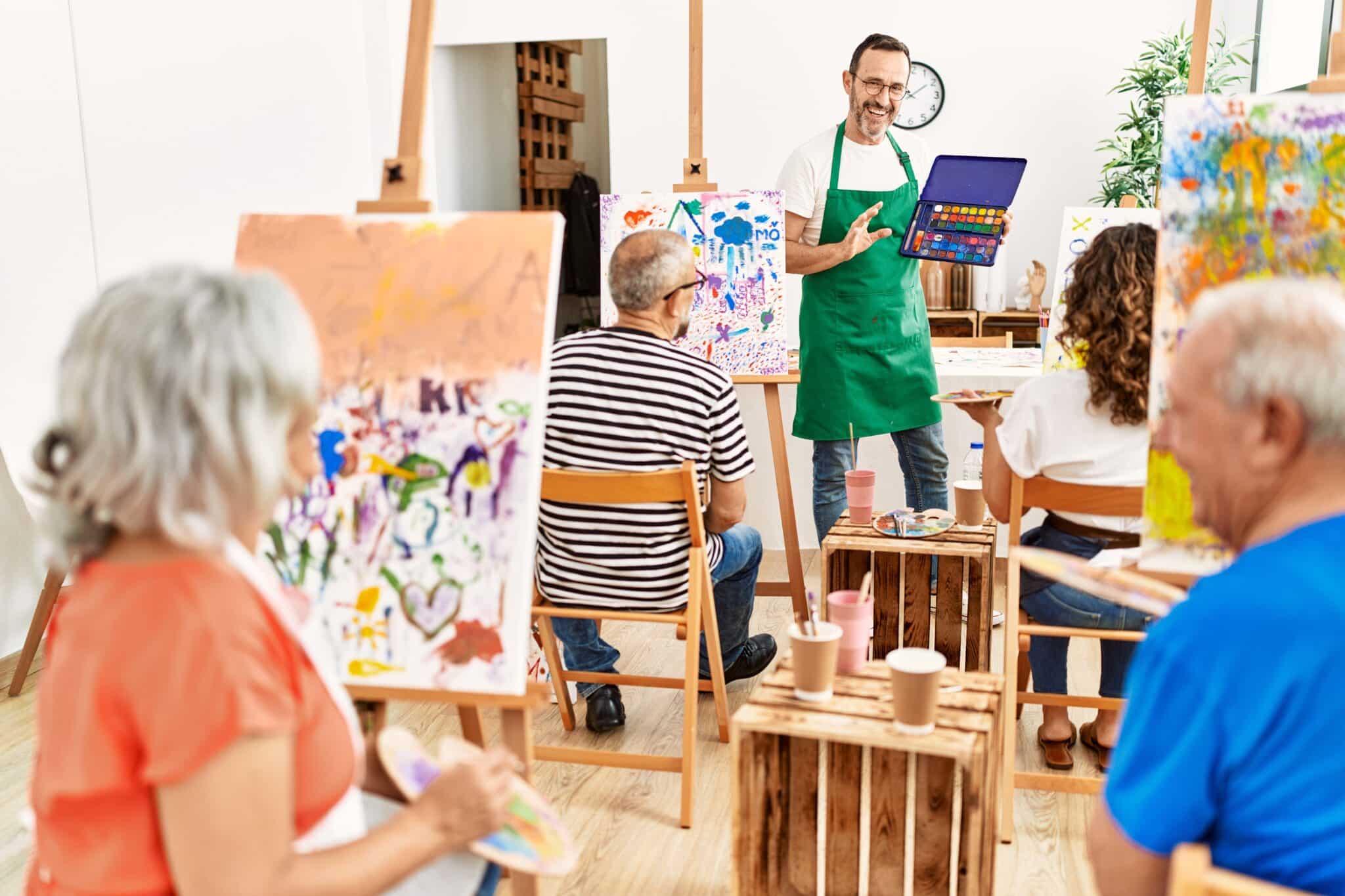
1. Choose a 55+ Community That Features Your Interests
Active adult communities offer more than shuffleboard and bingo. Whether you enjoy fishing, travel, fine art, or other hobbies, there is sure to be a 55+ community that caters to your interests. And our team at 55places.com can help you choose the perfect one.
Of course, you don’t need to select a new neighborhood based on your interests. You can also choose one based on:
- Mobility
- Weather/climate
- Access to specific medical care
- Nearness to family
- Religious affiliation
- Pet policies
Regardless of your chosen community, once you’ve unpacked and settled in, you should introduce yourself to the community activities director and their team.
Sometimes the best introductions come from an unexpected source. When 55places Partner Agent Krystine Eppley realized several of her relocating buyers were moving into Del Webb at Dove Mountain near Tucson, she introduced them to one another. The rest was up to them.
“I may have introduced them, but they took it from there! They have group chats, get together regularly, and have developed real friendships. They recently invited my family and I to a thank-you dinner they’re hosting, and that means more to me than I can explain. I helped them find their homes, but somewhere along the way, they found their people.”
-Krystine Eppley, Tucson Area 55places.com Partner Agent
2. Take Part in the 55+ Community Activities
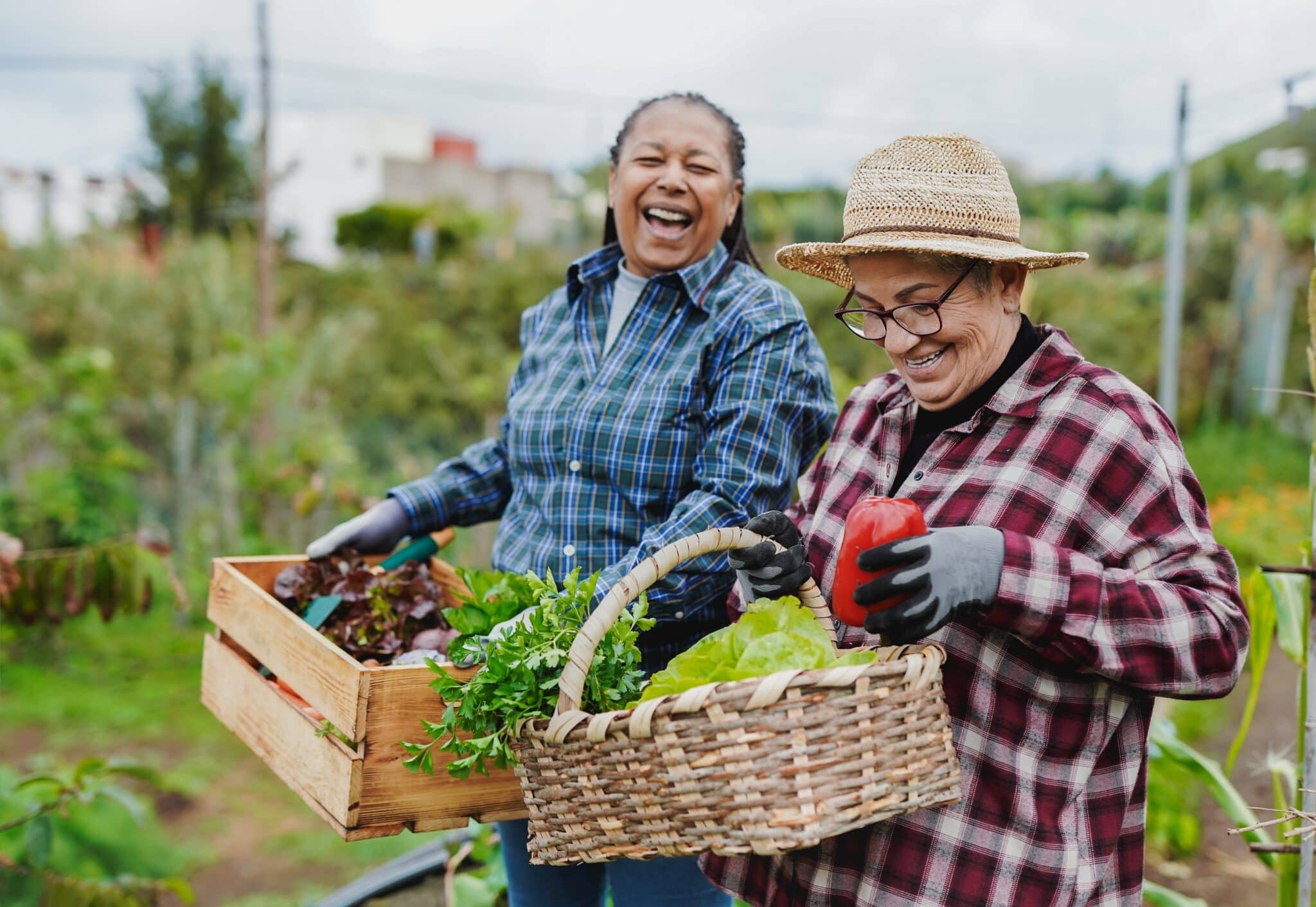
By joining some activities right away, you’ll have a chance to meet others with similar interests. Depending on the activity, you can learn new skills, hone your advanced talents, get vital exercise, and boost a sense of pride and accomplishment in your projects and goals.
Beyond the social aspects, new activities can also help you maintain good cognitive and physical functions. So be sure to try plenty of new hobbies and get out of your comfort zone. It’s healthy!
3. Express Yourself to the World
You’ll decorate your home as you settle into your new adult community. Those decorations represent your passions, history, and family life. Classic auto enthusiasts may have a collection of books or artwork. Golfers might have prized awards or clubs. A retired teacher might display favorite student gifts or class photos.
Try to express yourself outside your home too. This is a great way to invite inquiries and attract like-minded people as you go about your daily errands.
You can do so by:
- Wearing related apparel, like a hat, jacket, or pin that displays your interests
- Decorating your yard or home exterior (even the strictest HOAs will accept a hobby-related welcome mat)
- Visibly enjoying your hobbies outside (try washing your golf clubs in the front yard, for instance)
And the best way to make friends in retirement (whether you’re involved in activities or not) is to be approachable.
4. Put on a Friendly Face
A warm, genuine smile is a sure way to attract new friends, no matter what else is happening around you. If you’re ready to meet people, put on your best smile and head to any grocery store or neutral area, like a park. (Grocery stores are fantastic, though, because starting a conversation about food is easy. Everybody eats!)
And finally, our last bit of advice is to branch out beyond your community.
5. Use Social Media To Make New Friends
No law says you must stay within your community to make friends in retirement. Many adults use social media to join local clubs before attending in-person meetings. This is perfectly acceptable and will help you get a feel for a group or club.
Just remember internet safety basics, like:
- Never give out your passwords
- Never share bank or credit card information
- Don’t go alone when meeting someone new
- When meeting people, do so in a public place
- Tell someone when you make plans online
And whatever you do, don’t get stuck in the pseudo-social trap of the internet! Social media is a great way to keep in touch with people, but it’s much healthier for mature adults to leave the house and spend time face-to-face with others to get exercise, inspiration, and stimulation. So get out there and enjoy your retirement in person!
Find Your Perfect Community and Make New Friends!
As always, if you’d like to learn more about living in 55+ communities and making new friends in retirement, don’t hesitate to get in touch with us. Helping retirees find their ideal 55+ community is our specialty!

- Insights and market stats
- Instant new home alerts
- Answers from local 55+ experts