Good health is more than luck and good genes! It’s deeply connected to your environment, your lifestyle, and the resources available around you. Where you choose to spend your retirement can play a powerful role in shaping all three. For many adults over 55, access to high-quality medical care, nearby hospitals, specialists, and wellness-focused communities is just as important as sunshine, affordability, or home design. That’s why many 55+ homebuyers want to know about the best places to live for health care.
Retirees today are thinking beyond the basics. They’re looking for cities where preventive care is easily accessible, emergency services are strong, and chronic conditions can be managed seamlessly. Additionally, they want a place where daily life naturally supports physical activity and emotional well-being.
From regions with world-class medical centers to cities that prioritize walkability, recreation, and social engagement, the best retirement destinations strike a balance between comfort and care. We looked at data highlighting hospital performance, accessibility, community amenities, and overall lifestyle. Here are some of the top U.S. cities where retirees can enjoy the peace of mind that comes with staying healthy while loving where they live.
What Makes a City Great for Retirement Health

When retirees pick a place to settle down, more and more of them are considering not just the weather and amenities, but also the strength of the health care network that will support them as they age. The “best retirement-health cities” are those that offer a thoughtful blend of medical expertise, lifestyle convenience, and long-term livability. These destinations bring together:
Medical Care
High-performing hospitals and clinics with access to specialists and comprehensive care, from cardiology and oncology to chronic disease management and top-tier emergency services. Being close to reliable, high-quality medical treatment gives retirees peace of mind and the confidence to enjoy daily life without worrying about gaps in their care.
Walkability and Amenities
Walkable neighborhoods and accessible amenities such as parks, trails, fitness centers, and community recreation areas make staying active easier and more enjoyable. These features promote physical health, reduce isolation, and provide regular opportunities to stay engaged with others.
Active Adult Communities
Active adult or 55+ communities positioned near health care hubs offer low-maintenance living and built-in social support. These neighborhoods often provide amenities, clubs, events, and safety features. They help retirees remain connected and independent while still having essential services readily available.
Affordability, Climate, and Quality of Life
A balanced mix of affordability, climate, and quality of life ensures that excellent health care doesn’t require sacrificing financial stability or lifestyle preferences. Do you prefer warm weather or four seasons? Do you like big-city energy or small-town charm? The most supportive retirement cities give options that align with both your health needs and your budget.
When all these elements come together, retirees can enjoy a lifestyle that enhances their well-being physically, socially, and financially. With those priorities in mind, here are eight standout cities. They are more than the cheapest places to retire for health care. They show how modern retirement can combine outstanding health care, everyday comfort, and a vibrant way of living.
So which cities should be on your list to tour? Check out these gems our 55places team put together for a combination of excellent health care and luxurious living.
Hartford, Connecticut

Hartford bucks the stereotype that coastal retirement means just sunshine and beaches. It offers top-tier medical care and seasonal variety. Major hospitals, including Hartford Hospital, St. Francis Hospital and Medical Center, and UConn Health serve the city. Because of that robust infrastructure, retirees are rarely far from high-quality care. The city environs—from historic architecture and rivers to walking spots and easy access to city amenities—make it a great balance of convenience, culture, and health care access.
Active Adult Communities in the Hartford Area
- Applegate Estates — Southington, CT
- Autumn Estates — Farmington, CT
- Autumn Fields — Enfield, CT
- Bartlett Hill — Portland, CT
- Bartlett Hollow — Middletown, CT
- Beckley Farms — Berlin, CT
- Bidwell Village — Coventry, CT
- Billingsgate — Simsbury, CT
- Bramble Ridge — Suffield, CT
- Castle Heights of Cheshire — Cheshire, CT
- Chimney Hill — Farmington, CT
- Evergreen — Cromwell, CT
- Forest Mews — Avon, CT
- Founders Ridge — Middletown, CT
- Hopmeadow Place — Simsbury, CT
- Newington Ridge Preserve — Newington, CT
- North Woods of Colchester — Colchester, CT
- O’Meara Farm — Farmington, CT
- Shaker Heights — Enfield, CT
- Sonoma Woods — Middletown, CT
- South Pond Village — Bloomfield, CT
- Spring Lake Village — Southington, CT
- The Atrium of Portland — Portland, CT
- The Powder Forest Homes — Simsbury, CT
- The Village at Buckingham — Avon, CT
- The Village at Hunt Glen — Granby, CT
Philadelphia, Pennsylvania

With a long history of medical excellence (dating back to the first public hospital in the U.S.), Philadelphia continues to offer diverse, high-quality health care. Facilities such as Temple University Hospital, Jefferson Frankfort Hospital, Einstein Medical Center, and Penn Medicine provide retirees with strong access to specialists in cardiology, oncology, endocrinology, and more. For retirees who prefer a more relaxed pace, nearby smaller towns and suburbs offer a slower lifestyle while remaining within reach of these health care resources.
Active Adult Communities in Philadelphia
Williamsburg, Virginia
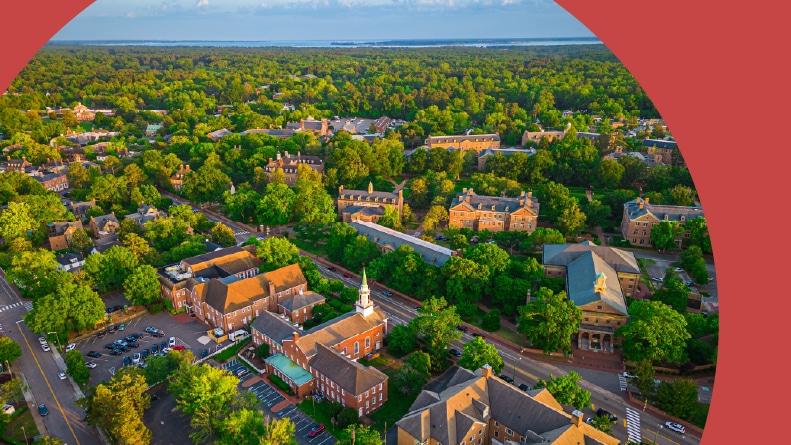
For retirees who want care but also a quieter, slower-paced lifestyle, Williamsburg offers a great mix. It sits within driving distance of first-class hospitals (such as those in nearby Richmond) while offering more affordable housing and close-knit 55+ or active adult communities. Local medical centers like Riverside Doctors’ Hospital of Williamsburg and Sentara Williamsburg Regional Medical Center deliver high-quality care, including for chronic care needs. On top of that, the area brings culture, history, outdoor amenities, and social opportunities—restaurants, heritage spots, walks—all of which support a balanced, healthy retirement.
Active Adult Communities in Williamsburg
- Colonial Heritage
- Fords Colony
- Kingsmill
- New Town
- Quarterpath at Tutters Pond
- The Governors Land at Two Rivers
- The Settlement at Powhatan Creek
- Villas at Five Forks
- Walnut Farm
- Whittakers Mill
Charleston, South Carolina

If warm weather, coastal living, and reliable access to health care rank high for you, Charleston is a strong contender. The city benefits from a robust medical network anchored by MUSC Health University Medical Center. It was ranked the No. 1 hospital in South Carolina for seven consecutive years and nationally recognized across multiple specialties. Charleston residents also spend an estimated 16% less on health care than the national average, according to Payscale. The mild winters and temperate climate make it ideal for retirees wanting sunshine and outdoor living. Beach access, rivers, and an active-adult community lifestyle offer opportunities for leisurely, healthy living.
Active Adult Communities in Charleston
Jacksonville, Florida

Florida remains a heavyweight in retirement living. Jacksonville stands out for combining coast, community, and care. With hospitals like Mayo Clinic Jacksonville, Baptist Medical Center Jacksonville, and UF Health Jacksonville nearby, retirees in the region can expect strong medical resources. The coastline, waterways, and many active-adult communities offer plenty of options for retirees to stay active, enjoy nature, and socialize with peers—all without sacrificing access to health care.
Active Adult Communities in Jacksonville
Naples, Florida
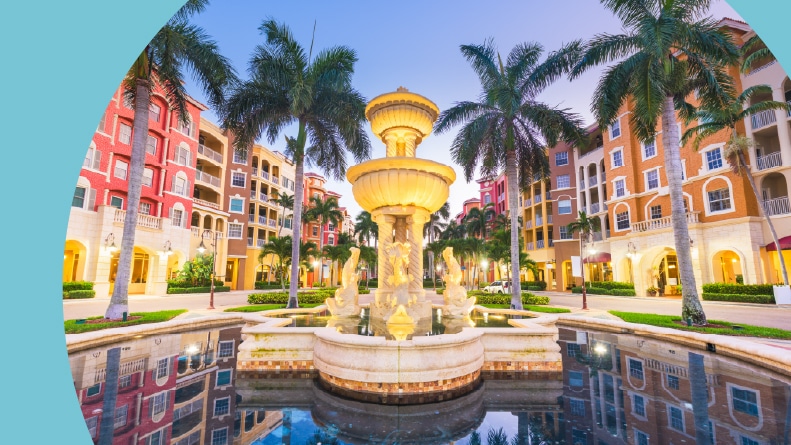
For retirees who prefer a serene coastal vibe with strong access to care, Naples delivers. The region supports a selection of hospitals and clinics that offer comprehensive treatment for heart, respiratory, and chronic illnesses. With a relaxed atmosphere, sunshine, water access, and active adult communities designed for comfort and convenience, Naples appeals to those seeking a luxurious retirement lifestyle.
“Healthcare access isn’t just about hospitals and physicians,” says Tom Mann, VP of Sales & Marketing at Moorings Park Communities. “Choosing a retirement destination with both excellent healthcare and a strong continuum of care can provide peace of mind for decades. Fortunately, Naples has all of these.”
Active Adult Communities in Naples
- Amberlin South Naples
- Esplanade at Hacienda Lakes
- Esplanade by the Islands
- Fiddler’s Creek
- Heritage Bay
- Island Walk
- Lely Resort
- Moorings
- Pelican Bay
- Riviera Golf Estates
- The Isles of Collier Preserve
- Treviso Bay
- Valencia Sky
- Valencia Trails
- VeronaWalk
- Vineyards
Austin, Texas

Austin has become a hub for retirees seeking vibrant culture, a high quality of life, and robust health care. The city and region host many top-performing hospitals and medical centers, offering access to specialists and ongoing care. Combined with the amenities of active adult communities, Austin’s music, food, parks, and urban conveniences make it a lively yet comfortable retirement option where staying healthy doesn’t mean compromising on fun or connection.
Active Adult Communities in Austin
- Arborview Circle C Ranch
- Everleigh Lakeline
- Jovie Belterra
- Overture Arboretum
- Overture Domain
- Overture Mueller
Mesa, Arizona

Are you a retiree who prefers desert climates, lower humidity, dry air, and a slower pace? If so, Mesa (and the broader Phoenix area) offers both comfort and access to medical services. Hospitals and medical centers in the region provide a wide range of care. Additionally, retirees often choose low-maintenance active adult communities to simplify daily life. On top of that, the climate may appeal to those with joint issues or who prefer warm, dry weather, which can help with comfort and mobility.
Active Adult Communities in Mesa
- Apache Wells
- Casa de Paz
- Dreamland Villa
- Encore at Eastmark
- Fountain of the Sun
- Greenfield Glen
- Las Alegres
- Leisure World
- Mera Greenfield
- Sage Mesa
- Sunland Springs Village
- Sunland Village
- Sunland Village East
- Verde Groves
What’s Evolving: Retirement + Health in 2025

Retirement today isn’t just about climate, golf courses, or low-maintenance homes. For many 55+ adults, long-term well-being has become a top criterion. More people are choosing locations and communities that bring serious health care resources within easy reach, including hospitals, specialists, and clinics. At the same time, they offer amenities, walkability, social connection, and an environment that supports healthy living.
Cities that offer a blend of good care, a comfortable lifestyle, active adult communities, and affordability are rising in popularity. Instead of trade-offs (great health care but bleak climate, or vibrant coastal living but mediocre care), retirees want all these. As retirement lengths grow and health care needs evolve with age, having access to good hospitals, specialists, and community support becomes less of a bonus and more of a necessity.
What Retirees Should Think About When Picking Their Next Home

If you’re eyeing a move or simply want to be prepared for the future, it’s helpful to think through the bigger picture of what a long, healthy, and fulfilling retirement looks like. Here are a few guiding ideas to keep in mind as you explore where to settle next:
Prioritize health care proximity and quality.
Look beyond just the presence of a hospital. Consider whether the area offers top-performing medical centers, access to specialists like cardiologists and oncologists, strong primary care options, and reliable emergency services. Transportation matters, too. How quickly can you reach care if you need it? Being part of a trusted network of providers can make routine care easier and provide peace of mind for more complex care.
Think about community type and lifestyle.
Your environment plays a major role in overall well-being. Do you thrive in a calm, small-town setting with a slower pace (like Williamsburg or Naples)? Or do you prefer the cultural energy, conveniences, and activities of a larger city (like Austin or Philadelphia)? The right fit can make day-to-day life more enjoyable and help you stay socially and mentally active.
Consider climate and physical comfort.
Weather affects mobility, mood, and routine. Many retirees gravitate toward mild winters and warm climates—think Florida, South Carolina, or Arizona—for year-round outdoor access. Others prefer a place with changing seasons or cooler temperatures, especially if they enjoy seasonal activities or want to stay close to family. Think about what energizes you, not just what’s tolerable.
Evaluate long-term living costs and lifestyle maintenance.
Retirement is most enjoyable when financial health and personal comfort align. Take a realistic look at property taxes, insurance rates, homeowners’ association fees, utility costs, and general living expenses. Make sure the location supports your budget long-term, leaving room for travel, hobbies, and unexpected medical needs without undue stress.
Value social opportunities and active-living amenities.
Staying engaged is a huge part of aging well. Look for features like walking paths, fitness centers, community centers, social clubs, arts programs, and outdoor recreation. These make it easier to build friendships, maintain physical activity, and establish a routine that feels meaningful and enjoyable.
Think ahead about emerging needs.
Independence is often a top priority. However, it’s important to consider how your needs may evolve over the next five, 10, or 20 years. Proximity to specialists, strong home health options, availability of assisted living, and high-quality hospitals can make a significant difference. Choosing a location with excellent health infrastructure now means you’ll be better supported later if your health needs shift.
“Retirees often choose a community for the healthy years and assume they will solve the care question later,” says Will Childs of Senior Housing Services. “A better approach is to choose a place that can support both the lifestyle they want today and the needs they may have 10 years from now.”
Taking time to consider these factors ensures that wherever you choose to live not only fits your lifestyle today but also continues to support your well-being well into the future.
FAQ: The Best Places to Live for Health Care
What are the best places to live in the U.S. for high-quality health care?
Cities known for strong hospital networks, access to specialists, and wellness-focused amenities include Hartford, Philadelphia, Williamsburg, Charleston, Jacksonville, Naples, Austin, and Mesa. These areas offer a blend of quality care and supportive lifestyles for retirees.
How do I choose the best place to live for medical care in retirement?
Consider hospital quality, proximity to specialists, affordability, climate, walkability, and the presence of active adult communities. Together, these factors support long-term health and day-to-day comfort.
Which U.S. cities offer both affordable living and excellent health care?
Many mid-sized and Southern cities—including Williamsburg, Charleston, and Jacksonville—offer affordable cost of living, strong medical systems, and year-round wellness amenities.
What kind of health care should retirees prioritize when picking a place to live?
Look for areas with top-rated hospitals, reliable primary care, strong specialty services, urgent care access, and coordinated networks that make scheduling and follow-up easier.
Which places have top-ranked hospitals for older adults?
Cities with nationally recognized hospital systems—such as Philadelphia (Penn Medicine, Jefferson), Charleston (MUSC Health), and Jacksonville (Mayo Clinic)—are often top choices for retirees seeking robust care.
Do 55+ communities near major medical centers offer better long-term support?
Many active adult communities are located near top-ranking hospitals and specialists, making ongoing care easier. These neighborhoods also offer amenities, clubs, fitness spaces, and social activities that support overall well-being.
What climate is best for retirees with health concerns?
Warm, mild climates—such as those found in Florida, South Carolina, and Arizona—can be easier for mobility and comfort. However, some retirees prefer seasonal climates for personal or family reasons.
What should retirees look for in a city’s health care network?
Availability of specialists, hospital performance ratings, preventive care resources, telehealth options, rehabilitation services, and strong emergency care are all key indicators.
Are there benefits to living near a major academic medical center?
Academic hospitals often offer advanced treatments, clinical trials, and broad specialty coverage. Cities like Philadelphia and Austin benefit from these institutions.
What should retirees consider for their future health needs when choosing a place to live?
Think about how needs may evolve over the next decade, such as access to specialists, home health services, rehabilitation programs, and high-quality hospitals. Choosing a health-strong location early offers stability and peace of mind.
Why Health Care in Retirement Matters—Especially Now
Retirement isn’t what it used to be, and health care access is more than a bonus—it’s central. Cities that combine good medical care, a strong community, and lifestyle flexibility give retirees a chance at a quality future without sacrificing their comfort or independence.
If you choose carefully, retirement can really be the next big adventure: one where you stay well, active, and connected for years to come. If you’re ready to explore your options, 55places can connect you with a trusted local real estate agent who understands the unique needs of 55+ homebuyers. Reach out today to get personalized guidance and find the community that fits your lifestyle.

- Insights and market stats
- Instant new home alerts
- Answers from local 55+ experts