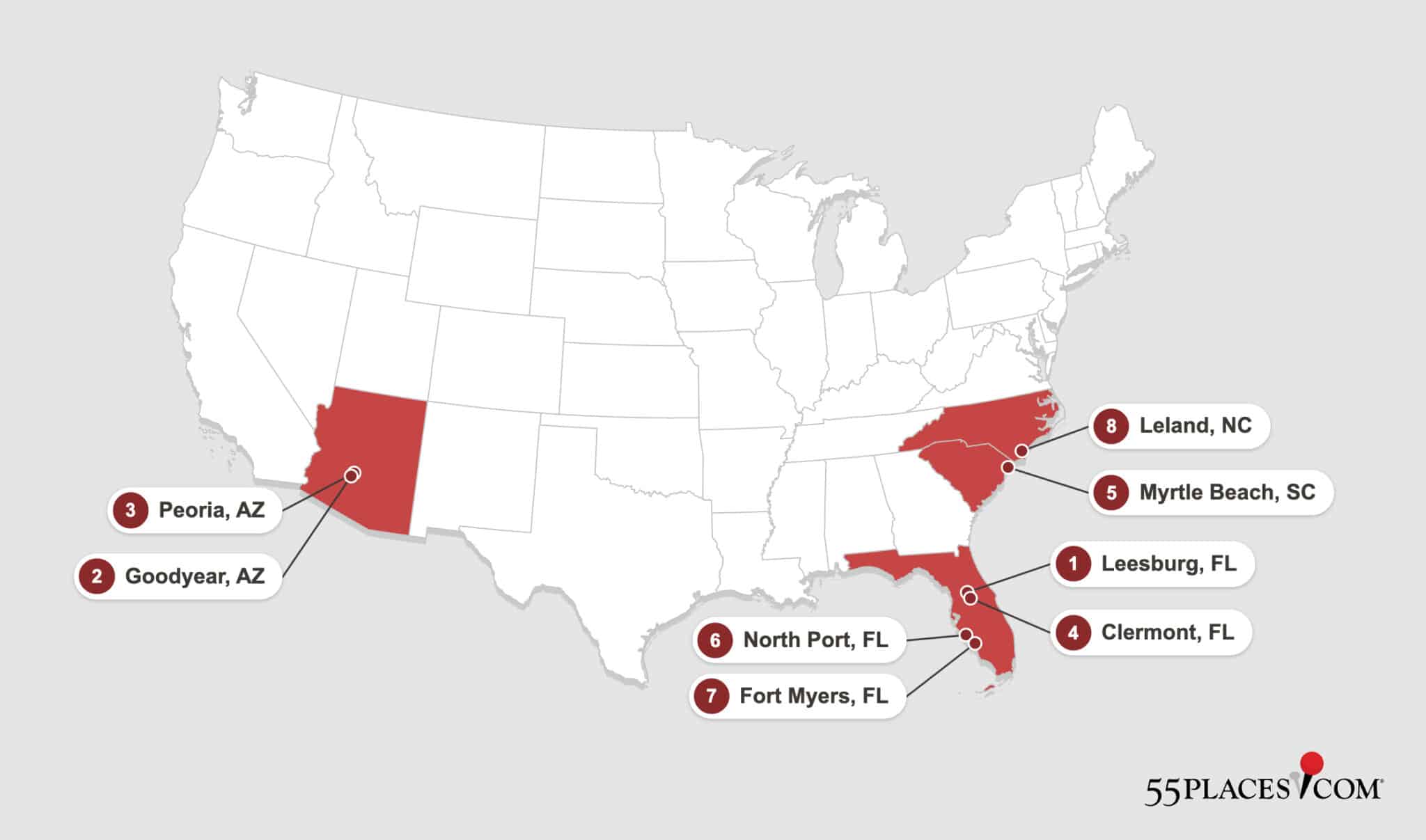
HIGHLIGHTS
- North Carolina costs less day-to-day; Florida runs above the U.S. average.
- Florida charges no state income tax; North Carolina exempts Social Security.
- North Carolina gives you four seasons; Florida stays warm and sunny year-round.
- Home prices are lower in North Carolina than in Florida.
- Florida has the country’s largest 55+ selection; North Carolina’s is growing fast.
In 2024, fewer than 260,000 Americans moved to new homes for retirement. If you’re asking, “Is it better to retire to Florida or North Carolina?” you’re not alone. Both states attract retirees seeking a new place to call home, with Florida drawing the most adults 65 and older who moved across state lines in 2025 and North Carolina ranking among the top five destinations.
Each state offers distinct advantages, making the best choice dependent on your budget, lifestyle, and retirement priorities. This article compares Florida and North Carolina to help you decide which one is right for you.
North Carolina vs. Florida for Retirement at a Glance
Here’s the head-to-head before the section-by-section details below.
| Category | North Carolina | Florida |
|---|---|---|
| Cost of living index (100 = U.S. avg.) | 97.8 | 102.2 |
| Median home price | ~$381,700 | ~$416,800 |
| State income tax | 3.99% flat (2026); Social Security exempt | None |
| Property tax (avg. effective) | 0.66% | 0.78%, plus Homestead Exemption |
| Climate | Four seasons | Warm year-round |
| Top-ranked hospitals (U.S. News) | 20 | 32 |
| 55+ community scene | Growing in the Triangle, Charlotte, and the coast | Largest selection in the U.S. |
Cost of Living and Housing Affordability
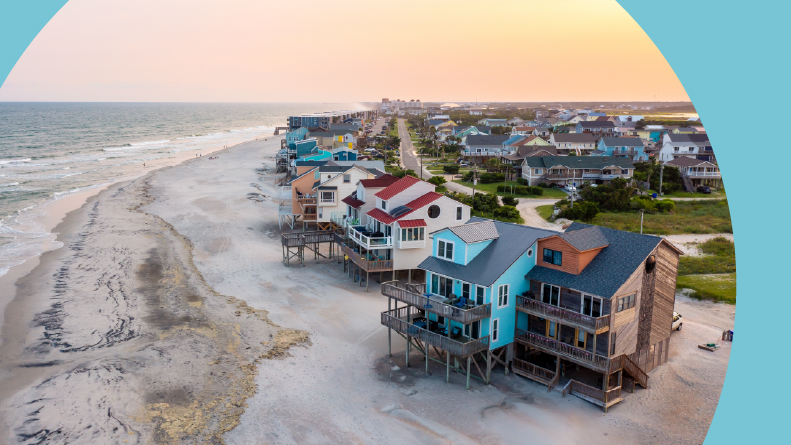
To gauge the general affordability of each state, start with the latest cost of living index, according to World Population Review. This evaluates the overall cost of living across six subcategories. For each metric, 100 is the national average.
Florida
- Overall: 102.2
- Groceries: 105.1
- Housing: 106
- Utilities: 99
- Transportation: 100.1
- Health Care: 95.1
North Carolina
- Overall: 97.8
- Groceries: 99.2
- Housing: 93.7
- Utilities: 96
- Transportation: 92.9
- Health Care: 105.1
NC for Affordability and FL for Health Care
North Carolina has a clear lead when it comes to the cost of living. The Tar Heel state is more affordable in almost every category, except health care, which could be a very important factor for active adults with certain health considerations.
North Carolina has an advantage when it comes to statewide home prices, with a median home price of about $381,700, compared with $416,800 in Florida. However, the picture can look different in the 55+ housing market. According to 55places’ housing market trends, Florida’s active adult communities have recently experienced pricing shifts and changes in inventory that may give buyers more room to negotiate. Florida also offers a larger selection of 55+ communities, giving retirees more choices across locations, budgets, and lifestyles. North Carolina may appeal to buyers seeking a lower-cost statewide housing market, but the better value depends on local prices, ongoing ownership costs, and long-term market conditions.
It’s important to note that these are averages, and based on location, you can find affordable 55+ communities in both Florida and North Carolina.
Taxes and Financial Benefits

Although North Carolina is the more affordable state of the two, weighing North Carolina taxes versus Florida taxes can turn the tide in favor of the Sunshine State. Florida is far more tax-friendly to retirees, allowing them to make the most of their budget.
Income Tax
Florida has no state income tax, which means all forms of retirement income are exempt, including retirement savings accounts like 401(k)s and IRAs, as well as Social Security benefits and all forms of pensions.
North Carolina has a flat individual income tax rate of 3.99% for 2026, down from 4.25% in 2025, according to the North Carolina Department of Revenue. The rate generally applies to taxable retirement income, including traditional IRA and 401(k) withdrawals and most private pension benefits. Social Security benefits are exempt from state income tax, while certain military pensions and qualifying state, local, and federal government retirement benefits may also be exempt. North Carolina allows a standard deduction of $12,750 for single filers in 2026, with higher amounts for other filing statuses, but does not provide an additional standard deduction based solely on age. Retirees with investment income should also know that capital gains are generally taxed as ordinary income at the state’s flat rate.
Property Tax
Property taxes in Florida are relatively low, with an average effective rate of 0.78% on owner-occupied homes, slightly below the national average of 0.80%, according to the Tax Foundation. Florida also offers a homestead exemption that can reduce a property’s taxable assessed value by up to $25,000, plus an additional exemption of up to $26,411 in 2026 that applies to county and municipal taxes but not school district taxes. Some homeowners age 65 and older may qualify for an additional exemption of up to $50,000, depending on local adoption of the exemption and eligibility requirements, including household income.
North Carolina’s effective property tax rate is 0.66%, according to the Tax Foundation. However, North Carolina’s property tax relief is more limited. Its Elderly or Disabled Exclusion is available only to qualifying homeowners who are at least 65 or totally and permanently disabled and whose income falls within the state’s annual limit. For 2026, the program excludes the greater of $25,000 or 50% of the home’s appraised value from property taxes. Qualifying homeowners may also be eligible for the state’s Circuit Breaker Tax Deferment Program, which limits annual property taxes to a percentage of income and defers the excess, subject to eligibility and repayment rules.
Sales and Inheritance Tax
Both states have an average combined state and local sales tax rate of about 7%. Qualifying prescription drugs are generally exempt from sales tax in both states. Florida also exempts most qualifying grocery food, while North Carolina exempts qualifying groceries from its general state sales tax but applies a 2% local tax.
Neither state imposes its own estate or inheritance tax. However, federal gift and estate tax rules may still apply when transferring assets to loved ones. In 2026, individuals can generally give up to $19,000 per recipient without triggering a federal gift tax filing requirement, although certain exceptions apply.
Climate and Weather

One reason so many retirees flock to the Southeastern states is the mostly pleasant, warm climate. However, both Florida and North Carolina have their unique appeal, so which one is better mostly comes down to personal preference.
Florida
Florida is nicknamed the Sunshine State for a reason. The state mostly lies in a humid subtropical climate zone, with a small tropical region covering parts of Miami and the Florida Keys. This means residents can expect warm, sunny weather throughout the year. Although it gets cooler in winter, there’s no snowfall, and winter temperatures are warmer than in many other parts of the country.
Florida’s wet season is during the summer and early fall. This brings high temperatures and humidity, with brief afternoon thunderstorms. August and October are also hurricane season for the region, with the potential for tropical storms to blow in from the Atlantic Ocean, though there are plenty of cities that are less prone to hurricane activity.
Most of the year, the weather is typically quite pleasant. Because the state is basically one giant peninsula, residents who live along the coastal regions get to enjoy the moderating influence of cool ocean breezes, which can help blow away some of the higher summer temperatures.
North Carolina
For retirees who prefer more varied weather, North Carolina might be a better option. The state mostly lies in a humid subtropical climate zone like Florida, but because of the different geography, residents are still able to enjoy more traditional four-season experiences throughout the year.
North Carolina has three distinct geographic regions: the Coastal Plain in the east, the Piedmont in the center, and the Appalachian Mountains in the west. The Atlantic Ocean moderates temperatures along the coast, while the Appalachian Mountains partially block cold air moving in from the Midwest, contributing to regional differences in the state’s climate.
North Carolina summers are generally hot and humid, with frequent afternoon thunderstorms. Temperatures tend to be cooler in the mountains and along the immediate coast than inland areas. Winter weather varies by region, with colder temperatures and more frequent snowfall in the mountains, while the Piedmont can experience snow, sleet, and freezing rain. The Appalachian Mountains partially block cold air moving in from the Midwest, but cold fronts and winter storms can still affect the entire state. Spring and fall bring changing temperatures and seasonal foliage, making them popular times to enjoy North Carolina’s varied landscapes.
Although less frequent than in Florida, coastal areas still face the risk of tropical storms and hurricanes in August and October.
Lifestyle and Recreation

Despite the similar climates and location on the Atlantic Coastline, Florida and North Carolina each have a distinct vibe that caters to different lifestyles and hobbies.
Outdoor Recreation and Active Lifestyle
Aquatics take the main focus for outdoor recreation in Florida. The state has more than 800 miles of beaches along the coast of the Atlantic Ocean and Gulf of Mexico. Inland, there are more than 7,800 lakes, providing more opportunities for swimming, boating, fishing, snorkeling, scuba diving, and kayaking. Several state and national parks highlight the diverse natural ecosystems throughout the state.
Although its southern sibling has a more popular beach scene, North Carolina has its share of coastal beaches. Where the state stands in contrast to Florida is the mountain lakes and rivers that offer up cooler waters in quieter, more secluded spots. The mountains also provide great opportunities for hiking, camping, biking, wildlife viewing, and plenty of other outdoor adventures. The Blue Ridge and Great Smoky Mountains are also home to some of the most popular state and national parks in North Carolina.
North Carolina offers plenty of golf courses, from mountain layouts to coastal fairways, while Florida’s extensive golf scene gives retirees even more golf courses to choose from. Florida’s relatively flat terrain offers fewer elevation changes for hikers than North Carolina’s Appalachian Mountains, but the state still has thousands of miles of recreational trails through forests, wetlands, and coastal landscapes. Its generally warm climate also allows for year-round outdoor recreation, although winter temperatures can dip, especially in northern Florida.
Cultural Hubs
Florida is home to several major metropolitan cities throughout the state, such as Miami, Orlando, Tampa, and Jacksonville, which all have their own diverse atmosphere. Active adults who enjoy urban life may opt to settle down near one of these hubs to enjoy daily access to nightlife, culinary options, arts communities, professional sport events, museums, and big-city amenities. There are also multiple international airports in Florida, and even a couple of cruise ports, for those who like to explore a little further from home.
North Carolina has its own cultural hubs, including Charlotte, Raleigh, and Asheville. Although those cities are much smaller than the ones in Florida, they have their own rich culture and laid-back charms. For instance, Asheville is known as a bohemian city that celebrates local arts and an appreciation for the natural calm of mountain living. For something a little livelier, retirees can settle near Charlotte, with a skyline dominated by skyscrapers, major professional sports teams, and access to Charlotte Douglas International Airport when a getaway is calling.
Health Care Access

Health care access is another category that can be highly subjective. Some active adults may not need to do much more than a yearly checkup, while others may need regular visits to maintain chronic health conditions. Here is a breakdown of the health care systems in each state so you can decide which is right for your needs.
Top Hospitals
For retirees prioritizing access to quality health care, Florida has 32 hospitals recognized as Best Regional Hospitals in the 2026-2027 U.S. News & World Report rankings. These hospitals earned recognition for their performance across various procedures and conditions. Some of the state’s notable hospitals include:
- Mayo Clinic in Jacksonville, ranked No. 1 in Florida
- AdventHealth Orlando, ranked No. 2
- UF Health Shands Hospital in Gainesville, ranked No. 3
- Cleveland Clinic Weston, ranked No. 4
- Tampa General Hospital, ranked No. 6
North Carolina has 20 hospitals recognized as Best Regional Hospitals in the 2026-2027 U.S. News & World Report rankings. These hospitals earned recognition for their performance across a range of procedures and conditions. Notable hospitals include:
- Duke University Hospital in Durham, ranked No. 1 in the state
- UNC Hospitals in Chapel Hill
- Atrium Health Carolinas Medical Center in Charlotte
- UNC Rex Hospital in Raleigh
- ECU Health Medical Center in Greenville
Access, Care, and Costs
Florida has far more ranked hospitals, as well as more hospitals overall. Because the state has such a high population of retirees, many of these health networks have specialization in procedures and conditions particular to older adults, providing a wide range of options for care.
Although North Carolina’s health networks aren’t as prevalent or as specifically catered to aging adults, they have many great health care facilities that are attached to academic institutions, which can offer better continuity of care and cutting-edge, research-driven treatments for special conditions. The state is also working on a North Carolina healthy-aging initiative to focus on increased quality of life for active adults as their population of retirees grows.
Florida offers lower overall health care costs, but North Carolina has recently been making legislative efforts to increase the access and affordability of health care to residents of the state through expanded Medicaid and other programs.
Recommended Florida 55+ Communities
On Top of the World – Ocala, FL
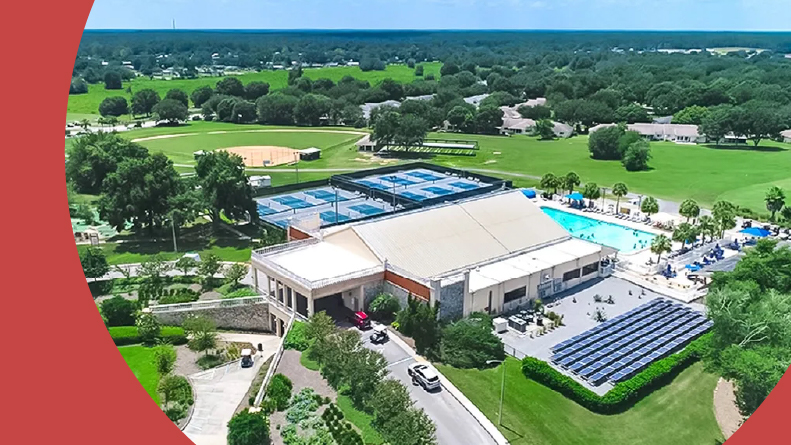
On Top of the World has been around since 1981. It’s one of the largest 55+ communities in Florida, with about 10,000 homes. Whether you’re looking for a cozy attached villa or a spacious single-family home, you’ll find floor plans ranging from around 1,000 to over 3,000 square feet.
But it’s not just about the homes; this place is packed with amenities. Think dance and fitness studios, onsite restaurants, shops, and a library. Outside, you’ll find swimming pools, picnic spots, gardening plots, and plenty of ways to stay active, like walking and biking trails, athletic courts, and three golf courses. And if you’re into socializing or picking up a new hobby, there are 175 clubs to choose from, covering just about every interest you can imagine.
The Villages – The Villages, FL
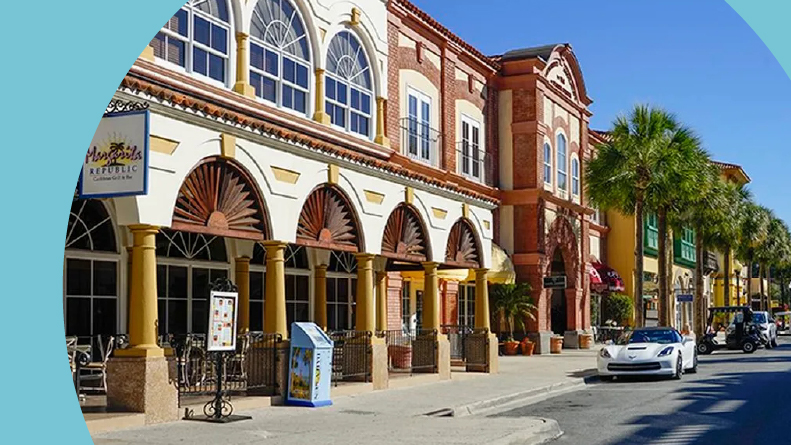
The Villages is one of the biggest 55+ communities in Florida. Actually, it’s more like a small city, with around 70,000 homes. You’ll find a wide mix of options here, from condos and attached villas to single-family homes, with over a hundred floor plans to choose from. Whether you’re looking for something brand new or a resale, there’s plenty on the market.
What really sets The Villages apart is how self-contained it is. You can find everything you need in the community, including restaurants, shops, banks, post offices, places of worship, and even health care facilities. And when it comes to amenities, there are more than three dozen community centers, over 100 outdoor pools, 41 golf courses, and even equestrian facilities. It’s truly a place where you can do as much or as little as you’d like.
Oak Run – Ocala, FL
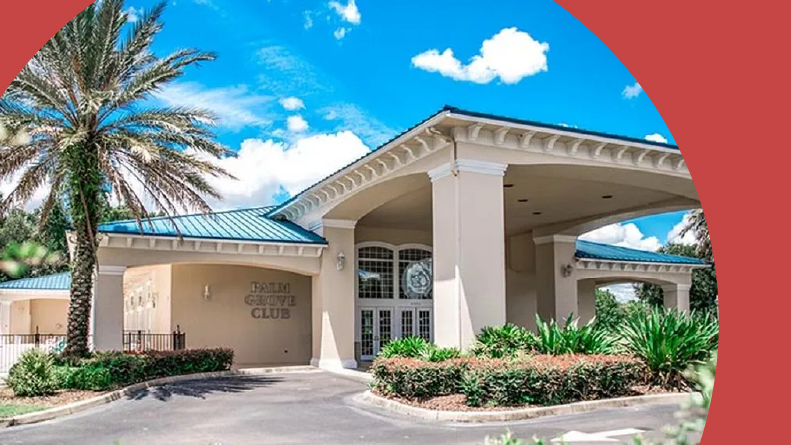
Oak Run is a gated 55+ community with just over 3,500 homes, offering a mix of single-family and attached styles. At the heart of the neighborhood is the Palm Grove Club, a spacious 30,000-square-foot clubhouse where residents can exercise in the fitness center, play cards in the game room, host events in the ballroom, or cook a dish in the catering kitchen.
Also, Oak Run has several other clubhouses scattered throughout, each packed with amenities. You’ll find indoor pools, whirlpool spas, a ceramics room, and even more space for social gatherings and activities. Outside, there’s plenty to do too, including the Royal Oaks Golf Club, courts for pickleball and bocce ball, horseshoe pits, and scenic trails for walking or biking. And when you want to grab a bite or do a little shopping, there are onsite dining options and retail spots right in the community.
Latitude Margaritaville – Daytona Beach, FL

Latitude Margaritaville, inspired by the easygoing lifestyle of Jimmy Buffett, is all about fun, relaxation, and a permanent vacation vibe. From the private beach club to the Latitude Bar & Chill Restaurant, the amenities make it feel like you’re on holiday every day, without ever leaving the neighborhood.
At the heart of the community is the Town Square, offering live music, a theater, shops, and more. And when it comes to choosing a home, there’s plenty of variety. Latitude offers over a dozen unique floor plans, ranging from 1,210 to 2,564 square feet, so you can find something that suits your style and budget.
Stone Creek – Ocala, FL
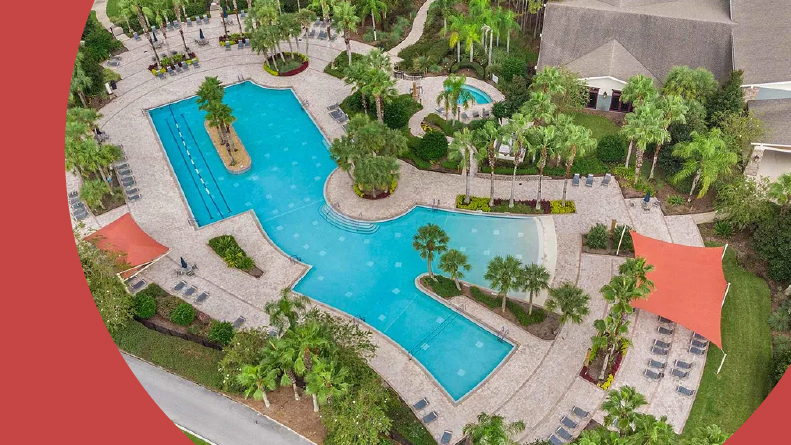
Stone Creek, located in Ocala, is a gated 55+ community with about 3,800 homes, offering a nice mix of single-family and attached options. There’s something for just about everyone here, with floor plans ranging from 1,133 to 2,634 square feet. You can find homes with one to five bedrooms, up to four bathrooms, and two- or three-car garages.
When it comes to amenities, Stone Creek delivers. Residents can enjoy a top-notch fitness center, an indoor pool, a cozy library, and even a steam room and sauna. There’s also a massive 29-acre recreation complex that makes it easy to stay active and social. Outside, you’ll find an 18-hole championship golf course, an outdoor pool, pickleball courts, horseshoe pits, and peaceful fishing lakes. It offers a mix of activities and outdoor spaces for retirees who enjoy an active lifestyle or simply spending time outside.
North Carolina 55+ Community Recommendations
Some of North Carolina’s most popular retirement destinations offer a mix of everyday conveniences, local attractions, and outdoor recreation. Retirees can explore the Research Triangle around Durham, Cary, and Raleigh, enjoy Charlotte’s dining and cultural scene, or spend time near the water in Wilmington and Leland. Each area has its own character, with a range of amenities and opportunities to connect with the community. The five 55+ communities below offer options in these regions.
Carolina Arbors – Durham, NC
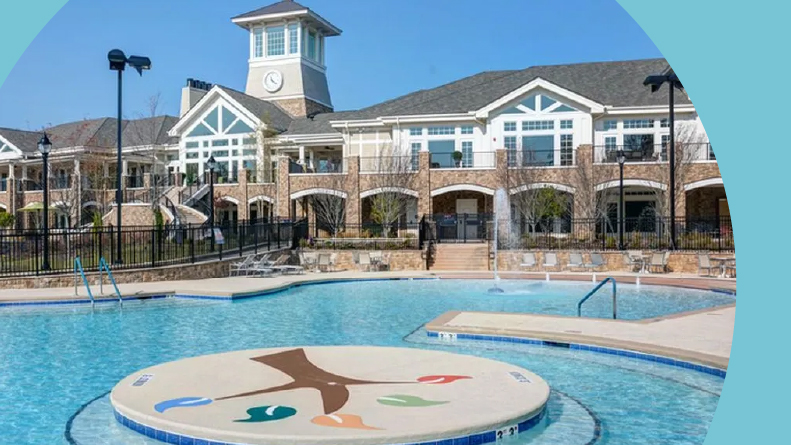
Carolina Arbors is a lively 55+ Del Webb community in Durham, offering low-maintenance homes and a full slate of amenities. Residents enjoy the expansive Piedmont Hall clubhouse, indoor and outdoor pools, pickleball courts, dog park, and 100+ social clubs and activities. Set on 400 acres with scenic trails and green spaces, it’s perfect for active adults. Plus, its prime location near Brier Creek, RDU Airport, and top health care makes daily life both easy and exciting.
Carolina Preserve – Cary, NC

Carolina Preserve is a lively 55+ Del Webb community offering over 1,200 low-maintenance homes and an impressive 34,000-square-foot clubhouse with pools, fitness centers, and sports courts. Residents enjoy miles of trails, access to Amberly’s amenities, and a full calendar of clubs and events managed by an onsite activities director. Located in the heart of the Triangle, it’s a strong fit for active adults looking for connection and convenience.
St. James Plantation – Southport, NC

St. James Plantation is a sprawling gated community along the Intracoastal Waterway. Amenities include golf courses, a marina, a private beach club, fitness centers, pools, and nature trails. With a variety of home styles and over 100 clubs and social events, it’s perfect for active adults seeking coastal charm, top-tier amenities, and a welcoming atmosphere.
Trilogy Lake Norman – Denver, NC
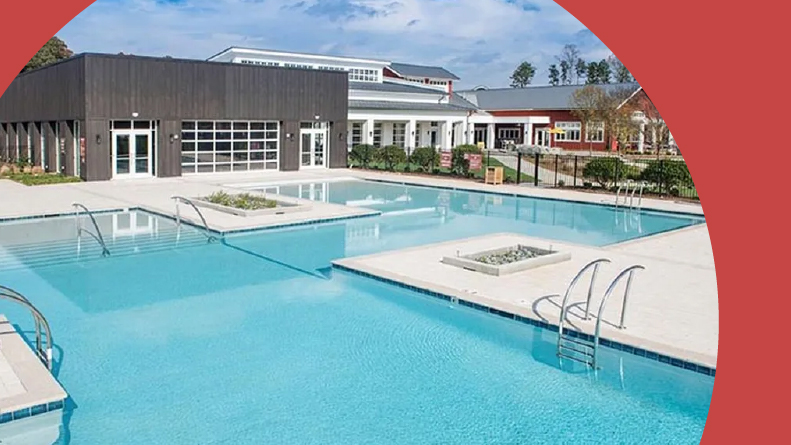
A gated 55+ community just minutes from the lake and about 25 minutes from Charlotte, Trilogy Lake Norman features a 30,000-square-foot clubhouse with pools, a restaurant, a fitness center, and hobby studios. Residents enjoy scenic trails, a Freedom Boat Club membership, and a full calendar of social clubs and events. Homes range from cozy to spacious, offering the perfect mix of lakeside living and easy access to city amenities.
Brunswick Forest – Leland, NC
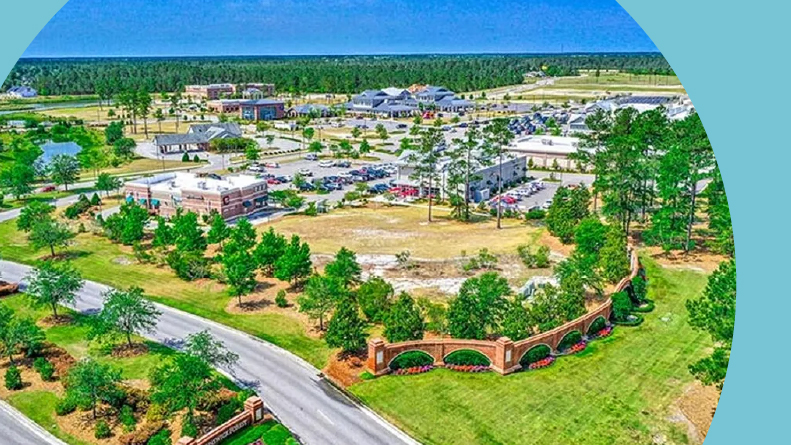
Brunswick Forest is a master-planned community set among beautiful woodlands, just minutes from Wilmington and the coast. It offers a variety of homes, from townhouses to spacious single-family houses, plus great amenities like a golf course, pools, tennis and pickleball courts, and a fitness center. Residents enjoy kayaking, walking trails, and a convenient town center with shops and dining.
Which Is Right for You: North Carolina or Florida?
In summary, Florida tends to be a bit pricier in terms of cost of living and home prices, but it makes up for it with a retiree-friendly tax climate, exciting city life, and endless opportunities to enjoy sunshine and water activities. North Carolina, by contrast, offers a more laid-back pace, four distinct seasons, diverse natural scenery, and generally a more affordable cost of living.
So, which state suits your retirement dreams best? Whether you’re drawn to Florida’s energy or North Carolina’s quieter charm, both offer a fantastic range of 55+ communities waiting for you to explore.
Frequently Asked Questions
Is North Carolina cheaper than Florida for retirees?
In most day-to-day categories, yes. North Carolina’s cost of living index sits at 97.8, below the national average of 100, while Florida runs above it at 102.2. The median home price is also lower in North Carolina, at about $381,700 versus roughly $416,800 in Florida. Florida can still come out ahead on the total budget once its tax advantages are factored in.
How do North Carolina and Florida taxes compare for retirees?
Florida has no state income tax, so 401(k)s, IRAs, pensions, and Social Security are all exempt. North Carolina applies a flat 3.99% rate for 2026 to most retirement income, but Social Security benefits are exempt, and some government and military pensions may be too. North Carolina’s average property tax rate is lower at 0.66%, while Florida’s 0.78% comes with a generous Homestead Exemption.
Which state has better weather for retirees, North Carolina or Florida?
It comes down to what you enjoy most. Florida stays warm and sunny nearly year-round, with mild winters and no snow. North Carolina delivers four distinct seasons across its coast, Piedmont, and mountains, so you get spring blooms and fall color. Coastal areas in both states see a hurricane season, so location is worth weighing in your decision.
Which state has better health care access for retirees?
Both offer strong options. Florida has 32 hospitals recognized by U.S. News & World Report, along with networks that specialize in care for older adults. North Carolina has 20 recognized hospitals, many tied to academic medical centers that offer research-driven treatment and strong continuity of care.
Is North Carolina or Florida better for retirement?
It depends on your priorities. Florida rewards retirees who want tax-friendly finances, access to city life, and warm weather for water activities. North Carolina suits those who prefer a more laid-back pace, four seasons, varied scenery, and lower everyday costs. Both offer a wide range of 55+ communities worth exploring.
Thinking about making a move?
Connect with a local real estate expert at 55places.com and start finding your ideal 55+ community today.

- Insights and market stats
- Instant new home alerts
- Answers from local 55+ experts