OVERVIEW
The best places to retire in the Pacific Northwest include the Seattle-Tacoma area and Vancouver in Washington, Portland in Oregon, and Coeur d’Alene and Boise in Idaho. Median home prices range from about $485K in Boise to $660K in Seattle-Tacoma. Retirees choose the PNW for its temperate climate, abundant outdoor recreation, top-ranked hospitals, and tax advantages, such as Washington’s lack of a state income tax.
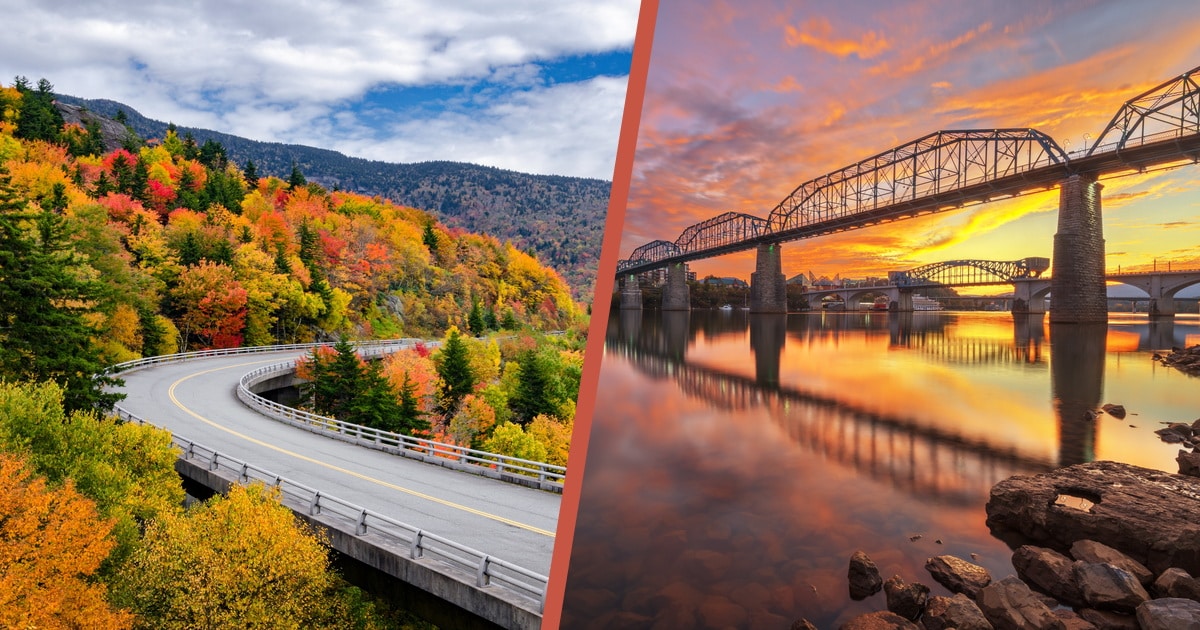
The Pacific Northwest (also known as Cascadia or the PNW) is a loosely defined geographic region that comprises the states of Oregon, Washington, Western Idaho, and sometimes Northern California and British Columbia, Canada. Known for its lush forests, scenic mountain landscapes, diverse temperate climates, and emphasis on nature and outdoor recreation, the PNW is a popular choice for retirees. There are plenty of 55+ communities in the area, both in big cities that provide urban conveniences and exciting amenities, as well as small towns with tight-knit communities and more relaxed living.
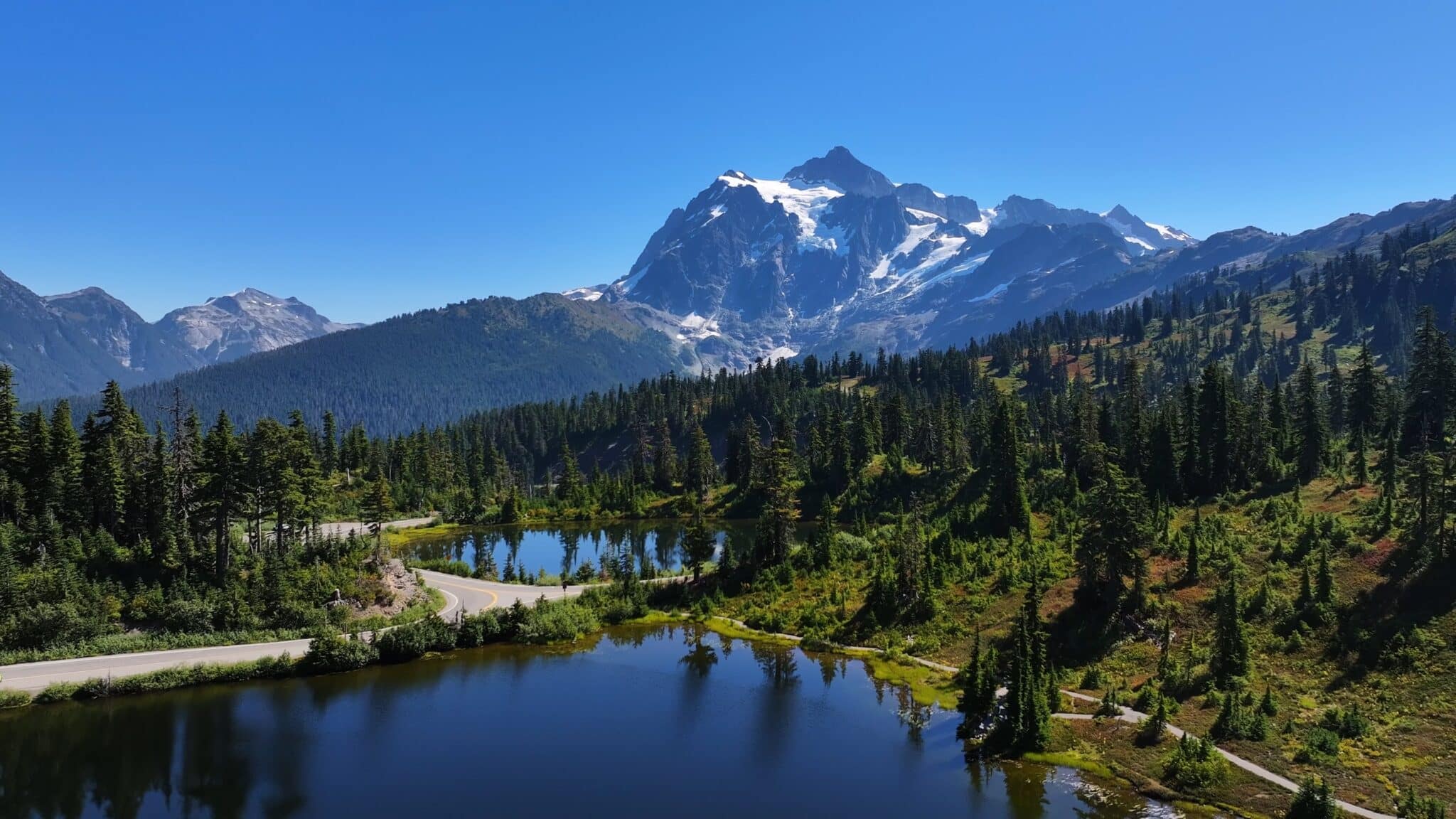
Retirees are sure to find the ideal backdrop for their forever home among the diverse geography of the Pacific Northwest, which includes the Pacific coastline, several mountain ranges, sunny high deserts in the east, temperate rainforests, and alpine lakes and meadows. In this article, we’ll go into more detail about what makes the PNW so attractive to retirees and highlight several standout destinations for the best places to retire in the Pacific Northwest.
Why Retirees Are Choosing the Pacific Northwest

Although there are many unique factors that go into choosing a location for retirement, these are some of the top reasons why active adults are purchasing homes in the Pacific Northwest:
- Nature: Even active adults living in the region’s major metropolitan cities have local access to abundant natural beauty and outdoor adventure opportunities, along with year-round destinations for hiking, camping, skiing, golfing, cycling, and aquatic recreation. This is thanks to the abundance of state and national parks that can make for a perfect day trip or extended getaway.
- Climate: The overall climate of the PNW is relatively temperate, which means it experiences all four seasons without many extreme highs or lows, due to the moderating effects of the ocean and mountain ranges nearby. Summers are most typically dry and warm, while winters are mild and wet. However, depending on elevation and local geography, many microclimates can diverge from these general climate patterns.
- Health care: The larger metropolitan areas in the PNW are headquarters to several hospital systems and specialized care networks that extend throughout the region, so active adults never need to worry about finding high-quality health care options nearby.
- Culture: In addition to the emphasis on nature and outdoor recreation, the PNW also celebrates other traditions unique to the region, such as farm-to-table dining, viticulture and winemaking, craft coffee, and arts communities that highlight indigenous and local creatives.
- Finances: Depending on location, some retirees may find financial benefits in the PNW. For instance, Washington has no state income tax, Oregon has no sales tax or tax on Social Security income, and Idaho offers a lower cost of living compared to areas closer to the coast.
1. Seattle-Tacoma Area, Washington

With saltwater shorelines and a mountainous skyline, the Seattle-Tacoma area offers a great mix of city living and suburban neighborhoods in a scenic natural setting. Retirees who like to split their time between a night out on the town and the great outdoors will appreciate the way these worlds coexist in the Seattle area.
Lifestyle
Water access is abundant, with over 200 miles of shoreline along the Puget Sound and plenty of options for aquatic fun in Lake Washington and other nearby bodies of water. There are also hundreds of parks and hiking trails providing endless opportunities for outdoor recreation, as well as popular ski resorts nearby for the winter months.
Seattle is a very walkable city. Some of its most iconic landmarks, such as the Space Needle, Pike Place Market, and the Waterfront Park, are within a 30-minute stroll downtown, and other landmarks and surrounding neighborhoods can easily be reached via the city’s light rail and bus system. Other train lines connect Seattle-area residents to the SEA-TAC International Airport and downtown Tacoma, with its own cultural attractions.
Seattle’s culinary scene emphasizes locally sourced ingredients, especially fresh seafood, as well as international cuisine. The city is also home to numerous craft breweries and wineries, and of course—as home of the original Starbucks—plenty of great coffee.
55+ Housing Market
The median cost of a home in a 55+ community in the Seattle-Tacoma area is around $660K, though this can vary by location. Generally, the cost of homes is significantly higher than the national median and the surrounding region. In 55+ communities specifically, the condominiums and townhomes closer to Seattle are much more affordable than single-family homes, while closer to Tacoma, the inventory of single-family homes is higher and costs are lower.
Health Care
Some of the top-ranked and high-performing hospitals in the area include Virginia Mason, University of Washington, Providence Regional, Swedish First Hill, and MultiCare Tacoma General.
Summary
The Seattle-Tacoma area is best for retirees who are comfortable with higher home prices for big-city culture, top-tier health systems, and scenic natural beauty.
2. Vancouver Area, Washington
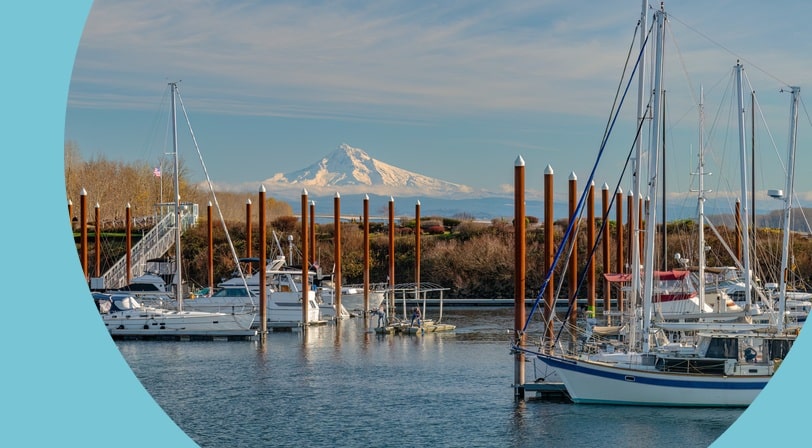
The city of Vancouver, WA, lies on the northern bank of the Columbia River, which also serves as the state border separating it from Portland, OR. Vancouver is significantly smaller than its neighboring city, providing a more suburban feel, and residents benefit from Washington’s lack of income tax as well as Oregon’s tax-free retail.
Lifestyle
The Vancouver Waterfront is the city’s primary attraction, combining scenic river views with shopping, dining, and public parks and trails for casual time outdoors. For more high-adventure options, Mt. St. Helens and the Columbia River Gorge are a short drive away.
The city’s culture is best described as laid-back and local. Dining options are mostly casual and accessible, and the main entertainment venues showcase the city’s local arts communities. While residents who live downtown will find the city walkable, most will want to own a vehicle, which also opens up a wider variety of city amenities in Portland.
Housing Market
The median home cost in Vancouver is around $500K, which is about $100K more than the national median but cheaper than Portland, and with the added benefit of Washington’s lack of state income tax. 55+ communities in the Vancouver area are primarily condos and attached homes, with some single-family homes mixed in.
Health Care
There are two high-performing hospitals in Vancouver: PeaceHealth Southwest and Legacy Salmon Creek.
Summary
The Vancouver area is best for retirees who prefer a more relaxed lifestyle or want the proximity to Portland’s amenities and shopping, with lower home costs and better tax advantages.
3. Portland Area, Oregon

A direct neighbor to Vancouver, on the southern banks of the Columbia River, Portland is a progressive city with a renowned food scene, bikeable streets, and lots of public greenspace. The city has several urban and suburban neighborhoods—each with its own central district that provides a distinctive local identity—and, like the rest of the PNW, plenty of access to outdoor recreation.
Lifestyle
Portland is great for outdoor enthusiasts. The famous Forest Park covers over 5,000 acres, where active adults can enjoy hiking, cycling, wildlife viewing, and more without ever leaving the city limits. Residents can also reach several state and national parks within a day’s drive for more outdoor adventures nearby.
The city is a foodie destination, known for its hundreds of food carts and numerous award-winning restaurants that utilize the fresh, local flavors of the PNW. There is also a vibrant arts scene, with a plethora of venues for music, visual, and performance arts.
Extensive parks and trail systems, a well-integrated transit system, and central commercial districts in each neighborhood also make Portland a highly walkable city for active adults who choose to live a car-free lifestyle.
Housing Market
The current median home value in Portland is about $544K. However, there is a wide range, with some ZIP codes as high as $770K and others as low as $350K. This median puts it on the higher end compared to other cities in Oregon.
Most 55+ communities in the area feature a mix of home types, including single-family and attached homes, as well as a variety of amenities.
Health Care
Some of the top-ranked and high-performing hospitals in the area include OHSU, Providence St. Vincent, Kaiser Permanente Sunnyside, and Providence Portland. Some of these are the top-ranked medical facilities in the state.
Summary
Portland is ideal for retirees who enjoy a lively city with a world-class food and arts scene and direct access to nature without having to travel far from home.
4. Coeur d’Alene Area, Idaho
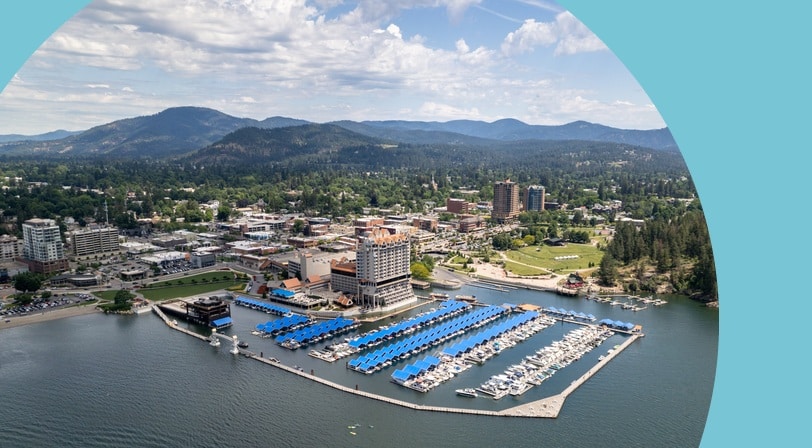
Situated on the northern shores of the 31,000-acre Coeur d’Alene Lake, this namesake city feels like a resort town. Surrounded by pine forests and mountain views, residents can enjoy four distinct seasons, a downtown area packed with shops and attractions, and lakeside living with easy access to plenty of outdoor recreation.
Lifestyle
The main draw to living in the area is Coeur d’Alene Lake, which provides opportunities for boating, fishing, swimming, and beachgoing. In the surrounding area, there are also extensive hiking and cycling trails, ski resorts at Silver Mountain and Schweitzer, and camping and more at nearby state and national parks.
Downtown Coeur d’Alene is highly walkable and densely packed with over 100 shops, restaurants, art galleries, and entertainment venues. The city also hosts regular community events and holiday celebrations throughout the year, so residents are never short on fun activities.
Housing Market
The median home cost in the Coeur d’Alene metro area is around $550K. However, there is considerable variation, with lakefront properties commanding much higher prices and more affordable condos and townhomes. Prices are higher than the state median but much lower than those in other coastal cities in the region.
55+ communities near Coeur d’Alene are mostly made up of townhomes and single-family homes and are primarily found in the surrounding areas, which helps keep home prices lower.
Health Care
Kootenai Health is the main health care facility in the area, rated high-performing and also ranked No. 3 in the state. For other options, Northern Idaho Advanced Care and Northwest Specialty are located in the neighboring town of Post Falls.
Summary
Coeur d’Alene is great for retirees who desire four seasons, lakeside living without the high coastal costs, and plenty of attractions and amenities combined with the slower pace of a small city.
5. Boise Area, Idaho

The capital city of Idaho, Boise features a dry, sunny high-desert climate with a vibrant downtown and extensive greenspaces. Excellent health care options and a lower cost of living than other larger cities create a great quality of life for residents without sacrificing access to conveniences and fun amenities.
Lifestyle
Thanks to the high desert climate—with year-round sun, little precipitation, and mild temperatures—living in Boise means spending plenty of time outdoors. Residents have convenient access to the Boise River Greenbelt, a chain of parks running through the city center, featuring an extensive trail network for hiking and cycling.
These trails make the downtown area highly walkable, creating easy pathways to the city’s museums, entertainment venues, shopping, and the growing culinary scene.
Housing Market
The median home cost in the Boise metro area is around $485K, which is close to both the national and state median.
Homes downtown primarily consist of condos, but as you move out to suburban areas where more of the 55+ communities are, the options tend toward townhomes and more single-family homes.
Health Care
The top two ranked, high-performing medical facilities are St. Luke’s and St. Alphonsus, which are also respectively ranked #1 and #2 in the state, meaning residents have access to some of the best health care in the region.
Summary
Boise is a great option for retirees who want abundant sun and outdoor access in a mid-sized city, with great health care and relatively affordable homes.
FAQ: Retiring in the Pacific Northwest
Is the Pacific Northwest a good place to retire?
Yes, the Pacific Northwest is a popular retirement destination thanks to its temperate climate, abundant outdoor recreation, high-quality health care networks, and distinctive regional culture. Retirees can choose from big cities like Seattle and Portland or smaller communities like Coeur d’Alene, with plenty of 55+ communities throughout the region.
What states make up the Pacific Northwest?
The Pacific Northwest typically comprises Oregon, Washington, and Western Idaho, and sometimes includes Northern California and British Columbia, Canada. The region is known for its Pacific coastline, mountain ranges, temperate rainforests, sunny high deserts in the east, and alpine lakes and meadows.
Where are the best places to retire in the Pacific Northwest?
Top retirement destinations in the Pacific Northwest include the Seattle-Tacoma area and Vancouver, Washington; Portland, Oregon; and Coeur d’Alene and Boise, Idaho. Each offers a different balance of city amenities, outdoor recreation, home prices, and health care access.
What is the climate like in the Pacific Northwest?
The Pacific Northwest has a relatively temperate climate with all four seasons and few extreme highs or lows, thanks to the moderating effects of the ocean and nearby mountain ranges. Summers are typically warm and dry, while winters are mild and wet, though microclimates vary with elevation and local geography.
Is the Pacific Northwest tax-friendly for retirees?
It can be, depending on where you live. Washington has no state income tax, Oregon has no sales tax and doesn’t tax Social Security income, and Idaho offers a lower cost of living than coastal areas. Vancouver, WA residents enjoy a unique advantage: no state income tax plus tax-free shopping across the river in Oregon.
How much does a home cost in the Seattle-Tacoma area?
The median home cost in the Seattle-Tacoma area is around $660K, though prices vary widely by location. Median prices in King County reach closer to $900K, while Pierce County comes in under $600K, with more affordable condos and townhomes near Seattle and lower-cost single-family homes near Tacoma.
Does it rain all the time in the Pacific Northwest?
No, rainfall varies significantly across the region. Western areas near the coast see mild, wet winters and dry, warm summers, while eastern areas like Boise sit in a sunny high-desert climate with little precipitation year-round. Retirees can choose the micro-climate that best suits their preferences.
Is the Pacific Northwest expensive to retire in?
It depends on the location. Coastal metros like Seattle-Tacoma carry median home prices around $660K, well above the national median, while Boise’s median of roughly $485K is close to the national average. Idaho generally offers a lower cost of living than areas closer to the coast.
What is there to do in the Pacific Northwest for retirees?
Retirees in the Pacific Northwest enjoy year-round hiking, camping, skiing, golfing, cycling, boating, and fishing across an abundance of state and national parks. The region is also known for farm-to-table dining, wineries, craft coffee, and thriving arts communities in cities like Seattle and Portland.
How do I find a 55+ community in the Pacific Northwest?
Start by exploring 55places.com’s listings for Oregon, Washington, and Idaho, where you can compare communities by location, home type, price, and amenities. A local real estate expert who specializes in active-adult communities can then help you narrow your options and find the perfect fit.
Ready to Retire in the Pacific Northwest?
These fantastic retirement destinations highlight the perks of life in the Pacific Northwest: access to nature and to cities with a strong sense of community and local identity. When it comes to choosing which of these cities is best for you, consider your personal preferences, whether that’s the importance of the climate, access to coastlines and water, a strong health care network, or more budget-friendly homes.
If the Pacific Northwest seems like the right market for your future home, explore our database of 55+ communities, or connect with a local real estate expert who can find the perfect home for your needs. Contact 55places.com today!
- Insights and market stats
- Instant new home alerts
- Answers from local 55+ experts