HIGHLIGHTS
- Boise pairs four-season outdoor living with a mid-size city’s pace.
- Idaho exempts Social Security benefits from state income tax but taxes IRA and 401(k) income.
- Home prices exceed the national median, so budget accordingly.
- Access to top-ranked hospitals and more than 190 miles of foothill trails support an active lifestyle.
- The Boise area has 55+ communities across several suburbs.
Is Boise a good place to retire? For active adults who want four distinct seasons, easy access to the outdoors, and the tax advantages of living in a state that doesn’t tax Social Security benefits, the short answer is yes. Idaho’s capital combines a mid-size city atmosphere with foothill trails, a riverfront greenbelt, and access to major health care facilities. The catch worth knowing upfront: Home prices in the Boise metro run well above the national median, so you’ll need to weigh the cost against your retirement budget. With the right financial plan, Boise offers a mix of outdoor recreation, urban amenities, and retirement tax advantages worth considering.
Is Boise a Good Place to Retire?
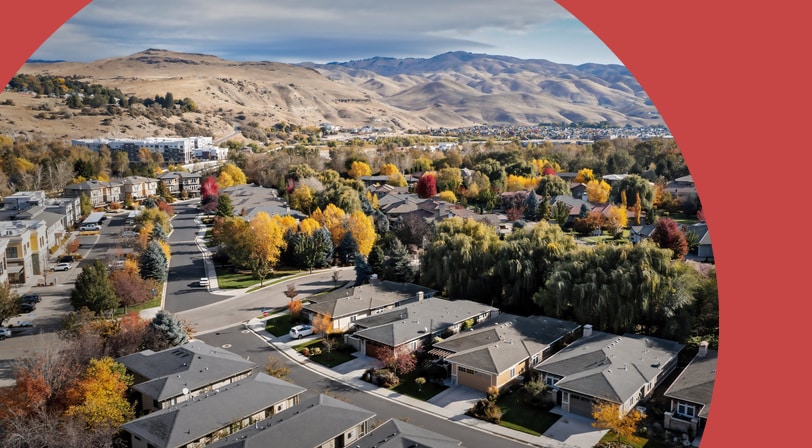
Yes, Boise is a good place to retire if you’re an active adult who values outdoor recreation, sunshine, and a mid-size city that doesn’t feel like a small town. Idaho exempts Social Security benefits from state income tax, and the Boise area offers easy access to major hospitals, making it a solid option for aging in place.
The main trade-offs are cost and climate. Home values are about 37% higher than the national median home value of $366,157, and winters bring cold temperatures and snow. Boise also ranked No. 5 on U.S. News & World Report’s 2025 Best Places to Retire list, up from No. 80 in 2024. The jump followed a methodology change, including a shift from metro-area data to city-level data, underscoring why rankings should be one consideration, not the deciding factor, when choosing where to retire.
What It Costs to Retire in Boise

Boise’s home prices are the single biggest financial hurdle for retirees weighing a move here. The typical home value in Boise is $500,215, while the median sale price is $542,776. Overall, Boise’s cost of living runs roughly 2% above the national average, with housing contributing significantly to the difference.
Context matters here: Boise is still considerably more affordable than West Coast retirement alternatives like Seattle, Portland, or anywhere in the Bay Area, which is part of why so many retirees from those markets have relocated to the Treasure Valley in recent years. Casting a wider net across the metro also helps the budget stretch further. Suburbs like Meridian, Garden City, and Star tend to offer more range on price than Boise proper.
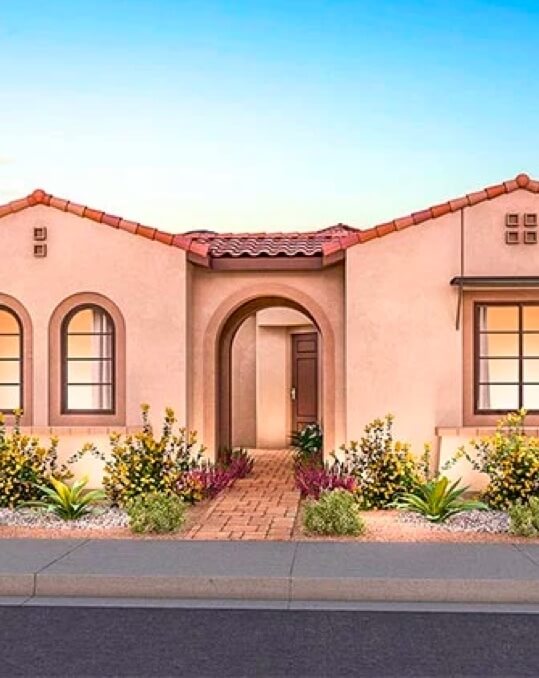
For active adults, 55+ community prices in the Boise area vary widely. Brooke View, a 55+ community in Boise, lists homes ranging from the mid-$200,000s to the low $400,000s, offering a lower-cost entry point than the metro’s overall median home price. Other communities, particularly newer developments in nearby suburbs, can cost considerably more depending on home size, location, and amenities.
How Idaho Taxes Retirement Income

Idaho is often considered tax-friendly for retirees, and part of that reputation holds up: The state does not tax Social Security benefits. However, most other retirement income is subject to Idaho’s flat 5.3% individual income tax rate, reduced from 5.695% under legislation signed in March 2025. This includes traditional IRA withdrawals, 401(k) distributions, and most private pension income. Some retirees may qualify for a limited deduction on certain federal civil service, military, or Idaho public safety pensions, subject to age, filing-status, and other eligibility requirements. Idaho has no estate or inheritance tax, and its state sales tax rate is 6%.
Property taxes can be relatively manageable for retirees in Idaho. The state’s average effective property tax rate is around 0.5%, below the national average. Idaho’s Homeowner’s Exemption reduces the taxable value of an eligible primary residence by 50%, up to a maximum exemption of $125,000. Eligible homeowners who are 65 and older, widowed, disabled, or meet other qualifying criteria may also apply for the state’s Property Tax Reduction program, commonly called the Circuit Breaker. For the 2026 tax year, applicants must have had total 2025 income of $39,130 or less, after allowable medical expense deductions, and could receive a reduction of $250 to $1,500.
The bottom line: Budget for Idaho’s 5.3% income tax on traditional IRA withdrawals, 401(k) distributions, and most pension income rather than assuming all retirement income is tax-free. For guidance tailored to your circumstances, consult the Idaho State Tax Commission or a qualified tax professional.
The Boise Climate: Four Seasons, Plenty of Sun
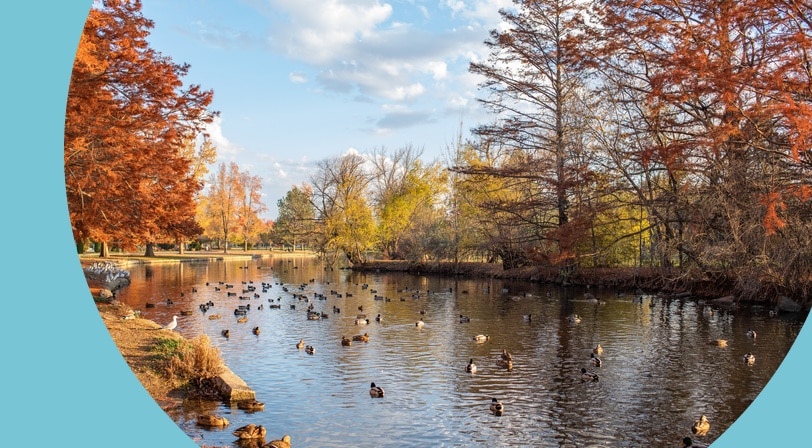
Boise gets about 239 sunny or partly cloudy days a year, according to climate-data, compared with the national average of around 205 days. Its dry climate brings hot summers and cold winters, but cooler evenings can offer some relief from summer heat. July highs average about 93°F, while overnight temperatures typically fall into the low 60s. Winters bring freezing temperatures, with January lows averaging around 25°F.
For retirees moving from a milder climate, Boise offers four distinct seasons without the heavy snowfall common in some parts of the Midwest and Northeast. The National Weather Service reports average annual snowfall of about 18 inches, although totals vary from year to year. Single-level, low-maintenance homes in the area’s 55+ communities also take some of the sting out of winter upkeep, with no second-story gutters to clear and no steps to shovel.
Health Care and Safety for Active Adults
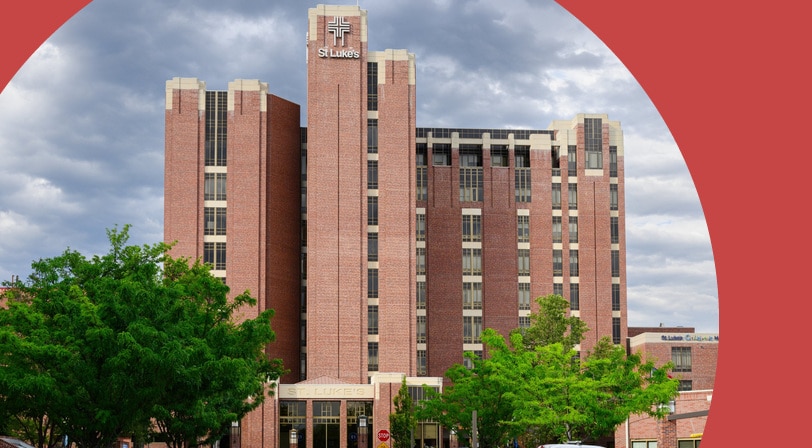
Access to quality health care matters more with each passing year, and Boise offers several major medical centers. St. Luke’s Boise Medical Center ranked No. 1 in Idaho in U.S. News & World Report’s 2026–27 Best Hospitals rankings and holds a Magnet designation recognizing nursing excellence. Saint Alphonsus Regional Medical Center also provides specialized cardiac care and is Idaho’s only hospital with Chest Pain Center accreditation that includes percutaneous coronary intervention (PCI) and resuscitation. These facilities offer access to a range of services, including emergency and advanced cardiac care.
Boise’s 2024 violent crime rate was about 21% below the national average, according to online data, a favorable comparison for a city of its size. However, Boise’s crime rates can differ from those of smaller Idaho communities. Retirees who prioritize a quieter setting may want to compare Boise with nearby suburbs and smaller towns, weighing crime statistics alongside access to health care, shopping, and other amenities.
Outdoor Recreation and Culture in Boise

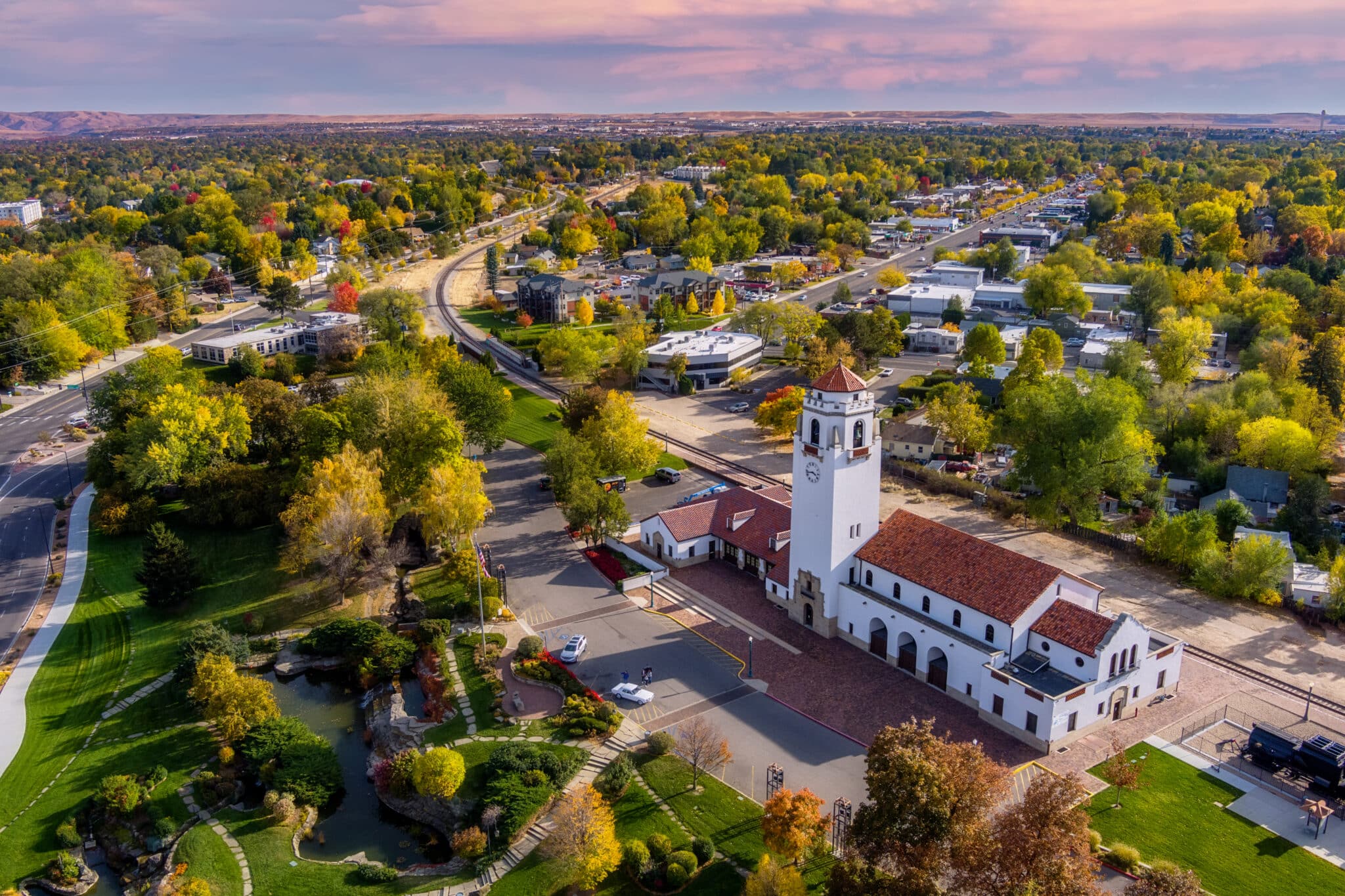
This is where Boise earns its reputation as an active-adult retirement destination. The Boise River Greenbelt stretches about 29 miles along the river’s north and south banks, providing a scenic route for morning walks and bike rides through the city and nearby parks. Beyond the river, the Ridge to Rivers trail system offers more than 190 miles of trails through the Boise Foothills, with routes ranging from easy walks to challenging hikes and mountain-bike trails.
In winter, Bogus Basin, a nonprofit ski area about 16 miles north of downtown, offers 2,600 acres of skiable terrain, including night skiing on illuminated runs for those who prefer an evening on the slopes. Downtown Boise also has an arts and dining scene, anchored by the Boise Philharmonic and complemented by galleries and a rotating calendar of festivals and cultural events.
Picture an ordinary Tuesday: a sunrise walk along the Greenbelt, coffee downtown, and an evening concert or gallery opening a short drive from home. In Boise, outdoor recreation and cultural activities can fit naturally into everyday life.
Where to Retire in the Boise Area: 55+ Communities
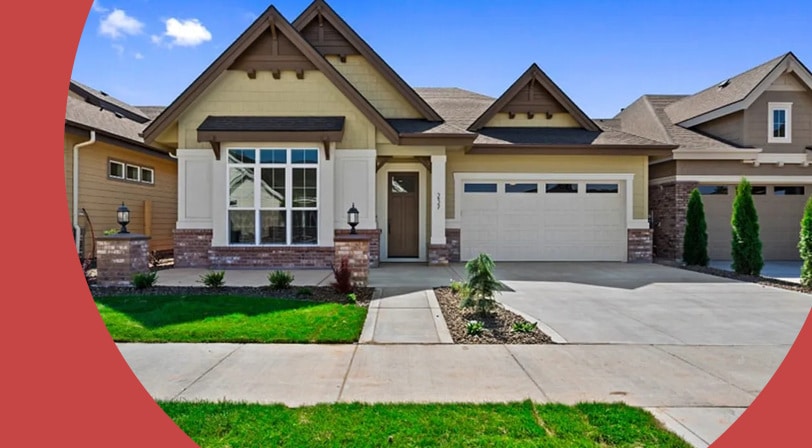
Despite how often “Boise” and “retirement” show up together in search results, real 55+ communities in the metro area rarely get mentioned by name, which matters if you’re trying to picture where you’d actually want to retire.
In Boise proper, Brooke View has 130 homes priced from the mid-$200,000s to the low $400,000s, while Englefield Green has just 84 homes priced from the low $500,000s to the low $600,000s. A few minutes west in Garden City, Willowbrook offers another option closer to the river. In Meridian, one of the fastest-growing suburbs in the Treasure Valley, Village Bungalows and James Place both give retirees a quieter, more suburban setting without straying far from Boise’s hospitals, airport, and downtown. Star, just northwest of Meridian, is an emerging retirement destination too, as active adult development pushes further into the valley.
The choice between Boise and a suburb such as Meridian, Garden City, or Star often comes down to lifestyle. Boise offers easier access to the Greenbelt, downtown dining, and the Philharmonic, while some suburban areas provide more space and a quieter pace. Across the region, 55+ communities offer options for active adults seeking low-maintenance homes, with shared amenities such as clubhouses, walking trails, and pools varying by development.
For a closer look at homes and current availability across the metro, the Boise Area 55+ communities page is a good starting point, and a 55places real estate expert who knows the area can help narrow the list further.
Frequently Asked Questions
Is Boise expensive for retirees?
Home values are about 37% higher than the national median home value of $366,157, and overall cost of living sits roughly 2% higher than the national average. That said, Idaho doesn’t tax Social Security, property taxes run below the national average, and the metro’s suburbs, along with 55+ communities like Brooke View, offer more affordable entry points than Boise’s citywide median suggests.
Does Idaho tax retirement income?
Idaho doesn’t tax Social Security benefits, but pensions, traditional IRA withdrawals, and 401(k) distributions are taxed at the state’s flat 5.3% income tax rate. A narrow deduction exists for certain qualifying public pensions for residents 65 and older, but most private retirement income doesn’t qualify. Confirm current details with the Idaho State Tax Commission before making financial decisions based on Idaho’s tax treatment.
What city in Idaho is best for retirees?
Boise leads the state for health care access, hospital rankings, and cultural amenities, making it a strong pick for retirees who want city conveniences close by. Nearby suburbs like Meridian, Eagle, and Star suit retirees who’d rather trade some walkability for a quieter pace, while staying within easy reach of Boise’s hospitals and airport.
How cold are Boise winters?
Boise winters are cold but relatively mild compared with those in many northern U.S. cities. Winters bring freezing temperatures, with January lows averaging around 25°F. For retirees moving from a milder climate, Boise offers four distinct seasons without the heavy snowfall common in some parts of the Midwest and Northeast. The National Weather Service reports average annual snowfall of about 18 inches, although totals vary from year to year.
Are there 55+ communities in the Boise area?
Yes, active adult communities span Boise, Meridian, Garden City, and the growing suburb of Star, with options starting in the mid-$200,000s. The Boise Area 55+ communities page lists current inventory and pricing across the metro, making it a useful starting point for narrowing down which active adult community fits best.
Find Your Place in the Boise Area
Whether you’re drawn to the Greenbelt and downtown Boise or a quieter suburb like Meridian or Star, a local 55places real estate expert can help you compare 55+ communities, pricing, and current availability across the Treasure Valley. Contact 55places.com today!

- Insights and market stats
- Instant new home alerts
- Answers from local 55+ experts