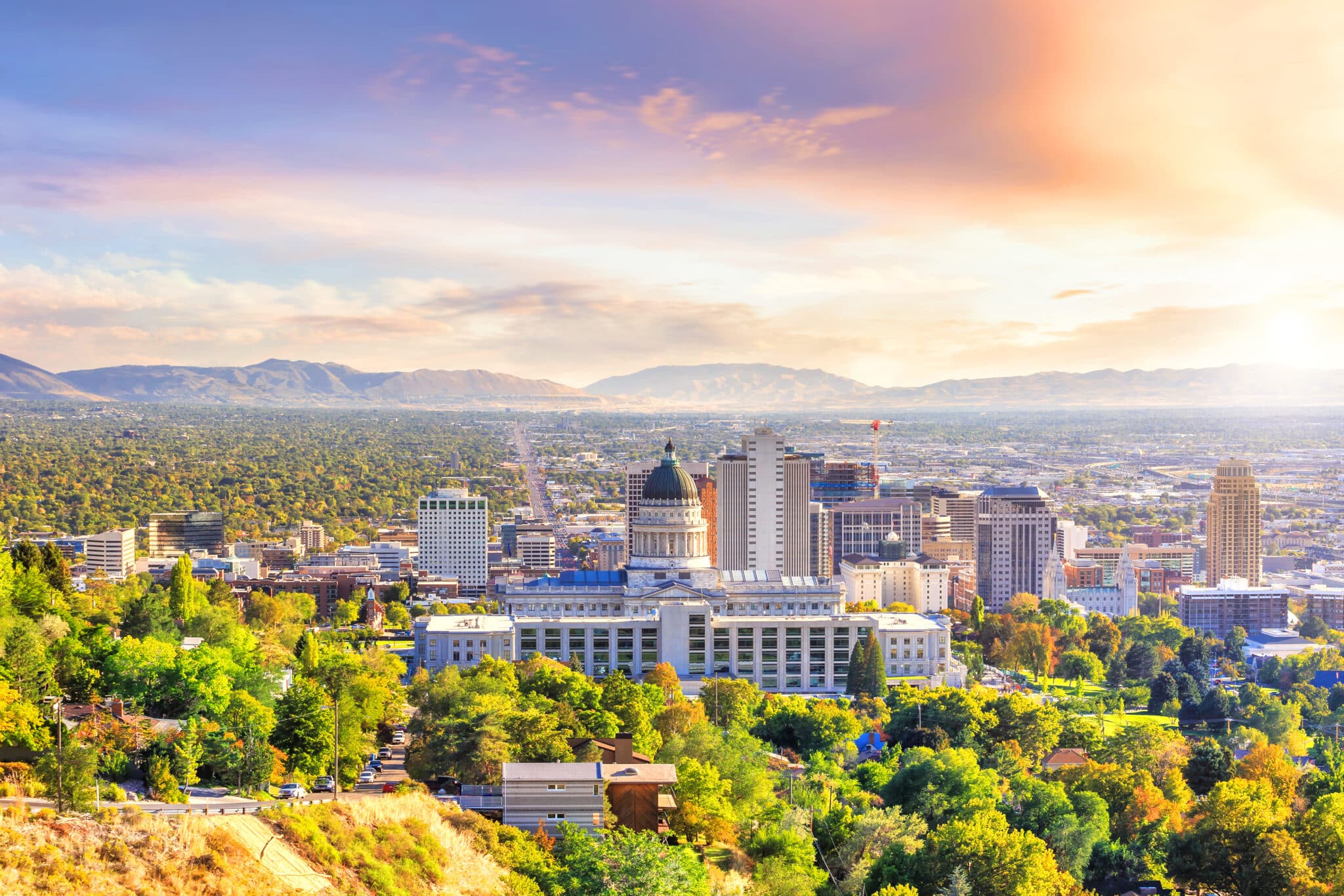
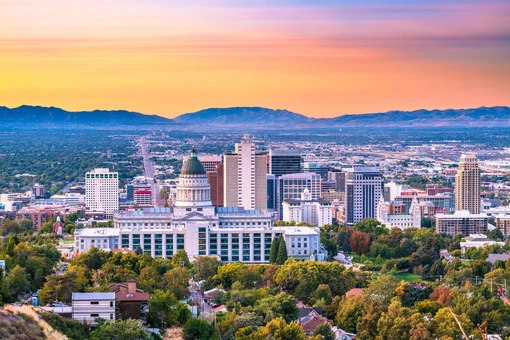
Salt Lake City offers a nice combination of urban amenities and world-class outdoor recreation. Along with its growing cultural scene, this earns it a place on many retirees’ short lists. However, there are some trade-offs to consider.
Here’s what you need to know to answer, “Is Salt Lake City a good place to retire?”
Pros and Cons
Pros
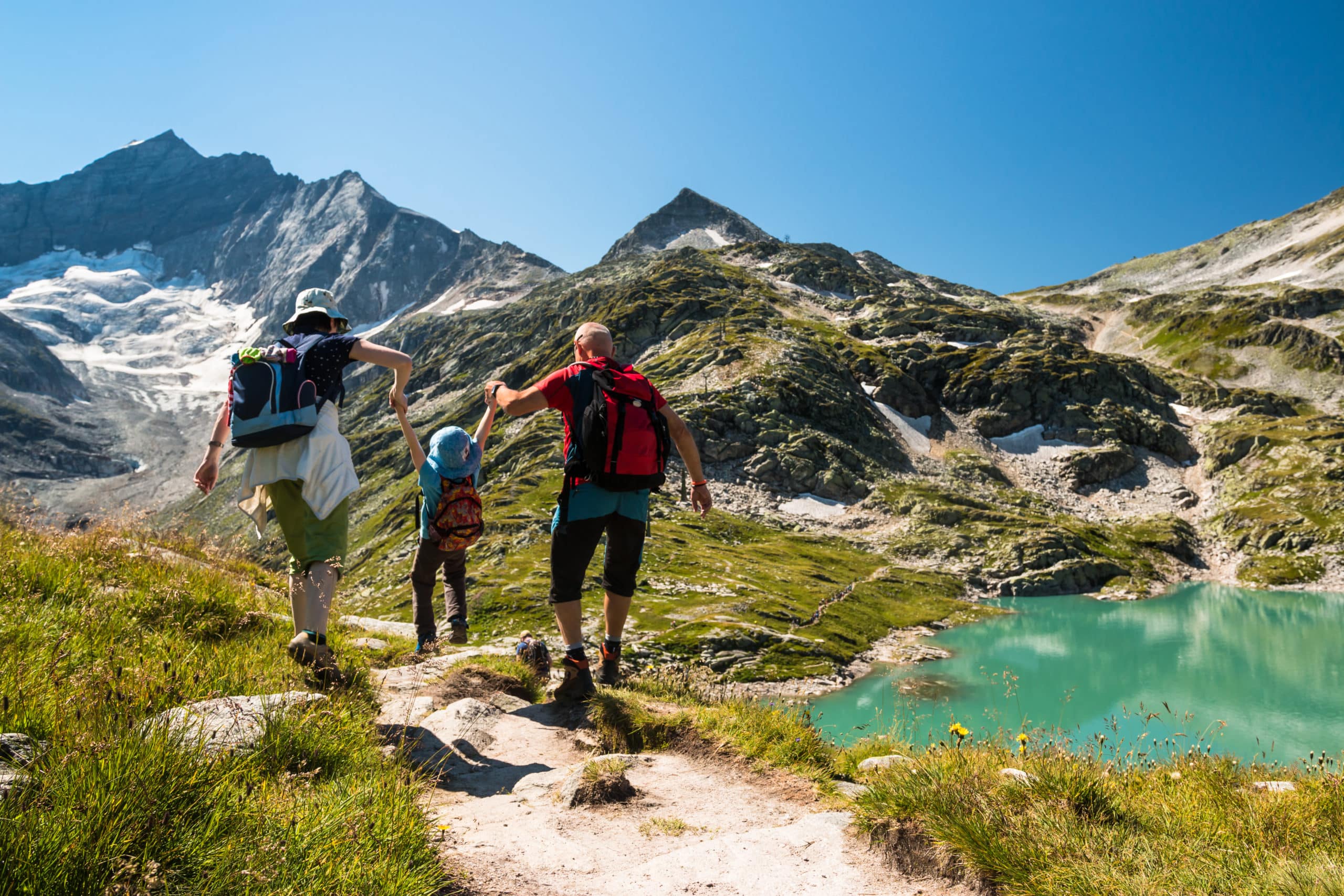
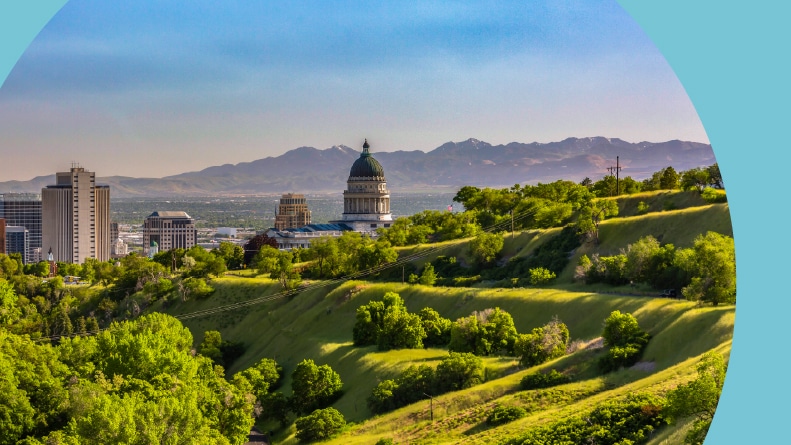
- Outdoor Recreation – With five national parks within driving distance, the city is surrounded by natural beauty. Nearby ski resorts like Snowbird and Alta round out the appeal of the natural surroundings.
- Safety – Utah consistently ranks among the safest states in the country, placing fifth in WalletHub’s multidimensional analysis.
- Cultural Attractions – The city’s growing cultural scene includes museums, performing arts, and a thriving restaurant scene, while still offering quiet suburban neighborhoods.
Cons
- High Home Prices – Housing prices have risen considerably in recent years, making housing less affordable for retirees on tight budgets.
- Air Quality Concerns – The city has air quality problems, with particulate pollution worsening in the winter and ozone levels rising in the summer.
- Retirement Taxes – Utah is one of the few states that taxes Social Security benefits, though there may be some relief on that front.
Climate
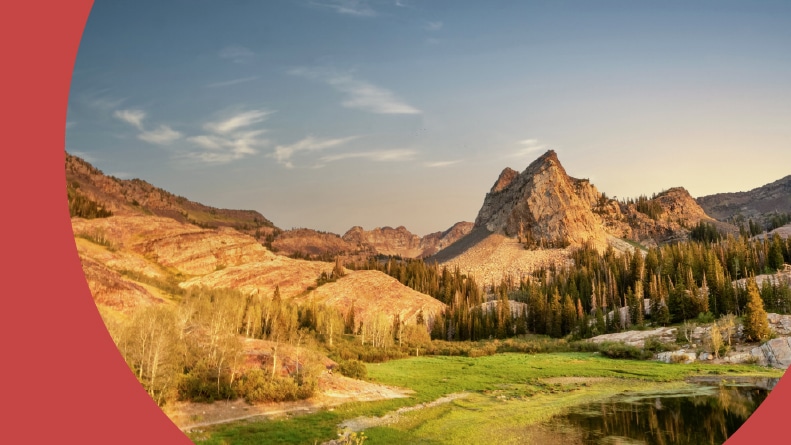
Salt Lake City has a semi-arid climate with hot, dry summers and cold, snowy winters. Summer highs are commonly in the 90s, while temperatures often drop below freezing in the winter. Spring and fall are mild and pleasant. There are an average of 300 sunny days per year, making the city a great choice for retirees who want to stay active.
Retirees with respiratory problems will be particularly concerned about the winter temperature inversion in the city. This is when cold air gets trapped under a warm layer above, creating a stagnant bowl of polluted air in the Salt Lake Valley.
Retirement Taxes
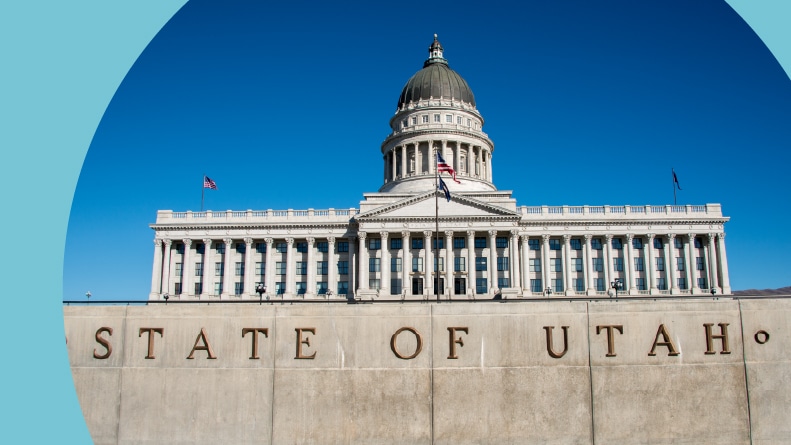
Utah has a mixed tax picture for retirees. The state has a flat 4.5% tax on all income, including Social Security benefits, pension income, and withdrawals from 401(k)s and IRAs. However, the state does have a Social Security Benefits Credit that can reduce or eliminate the amount owed on Social Security income. The full credit is available to single filers earning $54,000 or less and joint filers earning $90,000 or less. There’s also a separate $450 credit for other retirement income.
There are some positives in the Utah tax picture, however. The state has no estate or inheritance tax, and property taxes are relatively low, averaging around 0.48%. Primary residences even receive a 45% property tax exemption. The state sales tax is 4.85%, with a reduced rate of 3% on groceries.
Cost of Living
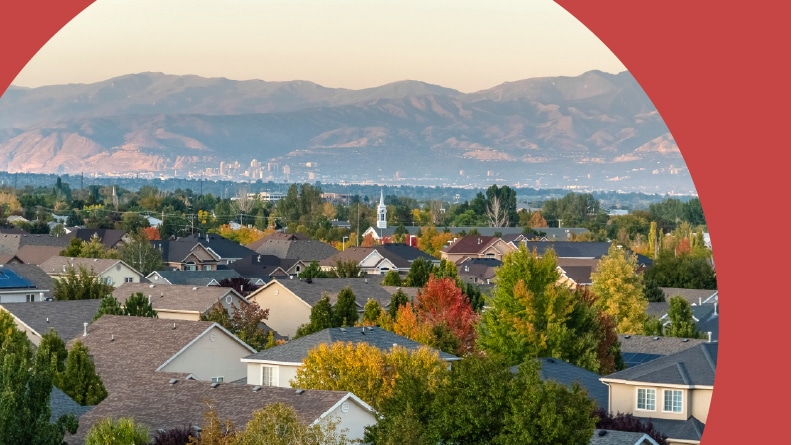
Salt Lake City is about 7% more expensive than the national average. Housing costs play a big factor in that, running 3.8% higher than the national average. Transportation costs also make Utah less affordable, with costs 15.7% higher than in other areas. Savings are to be found in the food and energy sectors, with groceries costing 26% less than average and energy costs being 19% more affordable.
Overall, the cost of living in the city averages around $2,658 per month for singles and $5,853 per month for families of four.
Attractions and Activities

This is where Salt Lake City really shines for active retirees. For a city of its size, the outdoor recreation is unmatched:
- Hiking trails like Donut Falls and Mueller Park are just minutes from downtown.
- The Great Salt Lake offers year-round activities, including birding, boating, and scenic walks.
- Winter offers world-class skiing at Alta, Snowbird, Brighton, and Park City.
The city offers plenty to do for those who aren’t the outdoors type as well, with a robust and growing cultural scene:
- The Utah Symphony and Utah Opera put on a full schedule of performances at Abravanel Hall.
- The Pioneer Theatre Company puts on a full season of plays at the University of Utah.
- Salt Lake City has several museums catering to a variety of tastes, which offer year-round exhibits.
Residents of the city also enjoy farmers’ markets, festivals, and a walkable downtown with plenty of restaurants and shops. For retirees who enjoy both outdoor activities and a vibrant cultural scene, Salt Lake City is hard to beat.
Health Care
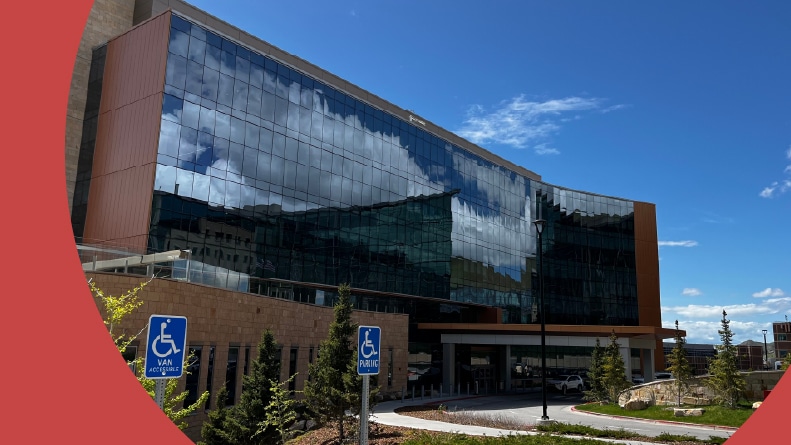
Salt Lake City has many strong health care options for retirees. The University of Utah Hospital is nationally ranked in two adult specialties and is ranked number one in the state. The hospital is high-performing in five specialties and 12 procedures and conditions. The University of Utah Health system also includes a dedicated geriatrics clinic in the Madsen Health Center. There, dedicated geriatricians specialize in the unique needs of 55+ patients.
Similarly, St. Mark’s Hospital has its own Senior Health Center offering primary care, diagnostic services, and prescription management for patients 55 and older. Holy Cross Hospital provides another major healthcare option in the area.
Retirees who rely on Medicare coverage have solid options as well. The state has 47 Medicare Advantage plans available for purchase. The area has a comprehensive network of home health agencies, assisted living communities, memory care facilities, and other health care options for retirees who may need extra support as they age.
FAQ: Retiring in Salt Lake City
Is Salt Lake City a good place to retire?
Salt Lake City is a strong option for active retirees who value outdoor recreation, safety, and cultural amenities. The city is surrounded by five national parks, world-class ski resorts, and hiking trails minutes from downtown. Utah ranks fifth in the nation for safety. The tradeoffs are high housing costs, air quality concerns from winter inversions, and a state income tax that applies to Social Security benefits.
What is the cost of living in Salt Lake City?
Salt Lake City is about 7% more expensive than the national average. Housing runs 3.8% higher, and transportation costs are 15.7% above average. However, groceries are 26% below average, and energy costs are 19% more affordable. Monthly costs average around $2,658 for singles and $5,853 for families of four.
Does Utah tax Social Security benefits?
Yes, Utah is one of the few states that taxes Social Security benefits. The state has a flat 4.5% income tax on all income, including Social Security. However, the Social Security Benefits Credit can reduce or eliminate the tax for many retirees. The full credit is available to single filers earning $54,000 or less and joint filers earning $90,000 or less. A separate $450 credit also applies to other retirement income.
What are property taxes like in Salt Lake City?
Property taxes in Utah are relatively low, averaging around 0.49%. Primary residences receive an additional 45% property tax exemption, further reducing the burden for homeowners.
What is the weather like in Salt Lake City?
Salt Lake City has a semi-arid climate with hot, dry summers and cold, snowy winters. Spring and fall are mild and pleasant. The city averages 300 sunny days per year.
Does Salt Lake City have air quality problems?
Salt Lake City experiences winter temperature inversions that trap polluted air in the valley, worsening particulate pollution. Ozone levels also rise in the summer. The winter inversions are the greater concern for retirees, particularly those with respiratory conditions such as asthma or COPD. Air quality varies by day and season, but it’s a well-documented tradeoff of living in the valley.
Is Salt Lake City safe?
Yes, Utah consistently ranks among the safest states in the country. WalletHub’s multidimensional safety analysis ranks Utah fifth overall. Salt Lake City benefits from the state’s strong safety record.
How close is Salt Lake City to skiing?
Salt Lake City is within 30 to 45 minutes of world-class ski resorts, including Alta, Snowbird, Brighton, and Park City. The proximity earned Utah its reputation for having “the greatest snow on earth.” For active retirees who enjoy winter sports, few cities offer ski access this close to an urban center with full amenities and health care infrastructure.
What is the sales tax in Salt Lake City?
Utah’s state sales tax is 4.85%, with local additions varying by area. Groceries are taxed at a reduced rate of 3%. Combined with below-average grocery prices (26% less than the national average) and low energy costs (19% below average), the sales tax burden is moderate.
Does Utah have an estate or inheritance tax?
No. Utah has no estate tax and no inheritance tax. This is a meaningful advantage for retirees planning to pass assets to heirs.
Who is Salt Lake City best suited for in retirement?
Salt Lake City is best suited for active retirees who prioritize outdoor recreation, safety, and cultural amenities. It’s especially appealing for hikers, skiers, and nature lovers who want trails and national parks within easy reach of a mid-sized city. Retirees who value a growing arts and dining scene will also find plenty to enjoy. Those with respiratory sensitivities should weigh winter air quality concerns, and retirees on tight budgets should plan for housing costs above the national average.
The Bottom Line
Salt Lake City is a compelling option for those seeking a retirement destination. Active 55+ adults who value outdoor recreation and cultural amenities will find the area particularly attractive. With mountains, national parks, and plenty of opportunities for cultural enrichment, the city offers a lifestyle that few other mid-sized cities can match.
- Insights and market stats
- Instant new home alerts
- Answers from local 55+ experts