HIGHLIGHTS
- Active adult communities offer five main home styles: single-family homes, attached homes or villas, townhomes, condominiums, and manufactured homes.
- Single-family detached homes typically offer the most space, privacy, and yard space, but they also tend to require the most upkeep.
- Attached villas and townhomes trade some square footage for far less exterior maintenance.
- Condos and manufactured homes tend to offer the most affordable way to buy in.
- Most residents buy their homes, though 55+ rentals are a small but growing option.
The Types of Homes You’ll Find in a 55+ Community
Retirement communities offer five main types of homes: single-family detached homes, attached homes or villas, townhomes, condominiums, and manufactured homes. In an active adult and 55+ community, these are homes you typically buy, and most are designed for low-maintenance, single-level living that suits an active lifestyle.
Age-restricted housing is also a significant part of the new construction market. Builders started about 43,000 age-restricted housing units in 2024, according to Eye on Housing. The five styles below differ in space, ownership, maintenance, and price. So rather than hunting for a single best home, focus on the one that fits the life you want next.
| Home Type | Typical Style | Ownership | Well-Suited For |
|---|---|---|---|
| Single-family (detached) | Standalone house with a yard | Buy | Most space and privacy |
| Attached home/villa | Single-level, shares a wall | Buy | House-like living, less upkeep |
| Townhome | Multi-level, shares side walls | Buy | Compact footprint, lower cost |
| Condominium/apartment | Interior unit in a shared building | Buy or rent | Minimal maintenance, lower price |
| Manufactured/land-lease | Single-level home on a leased lot | Buy home, rent lot | Most affordable entry |
1. Single-Family (Detached) Homes
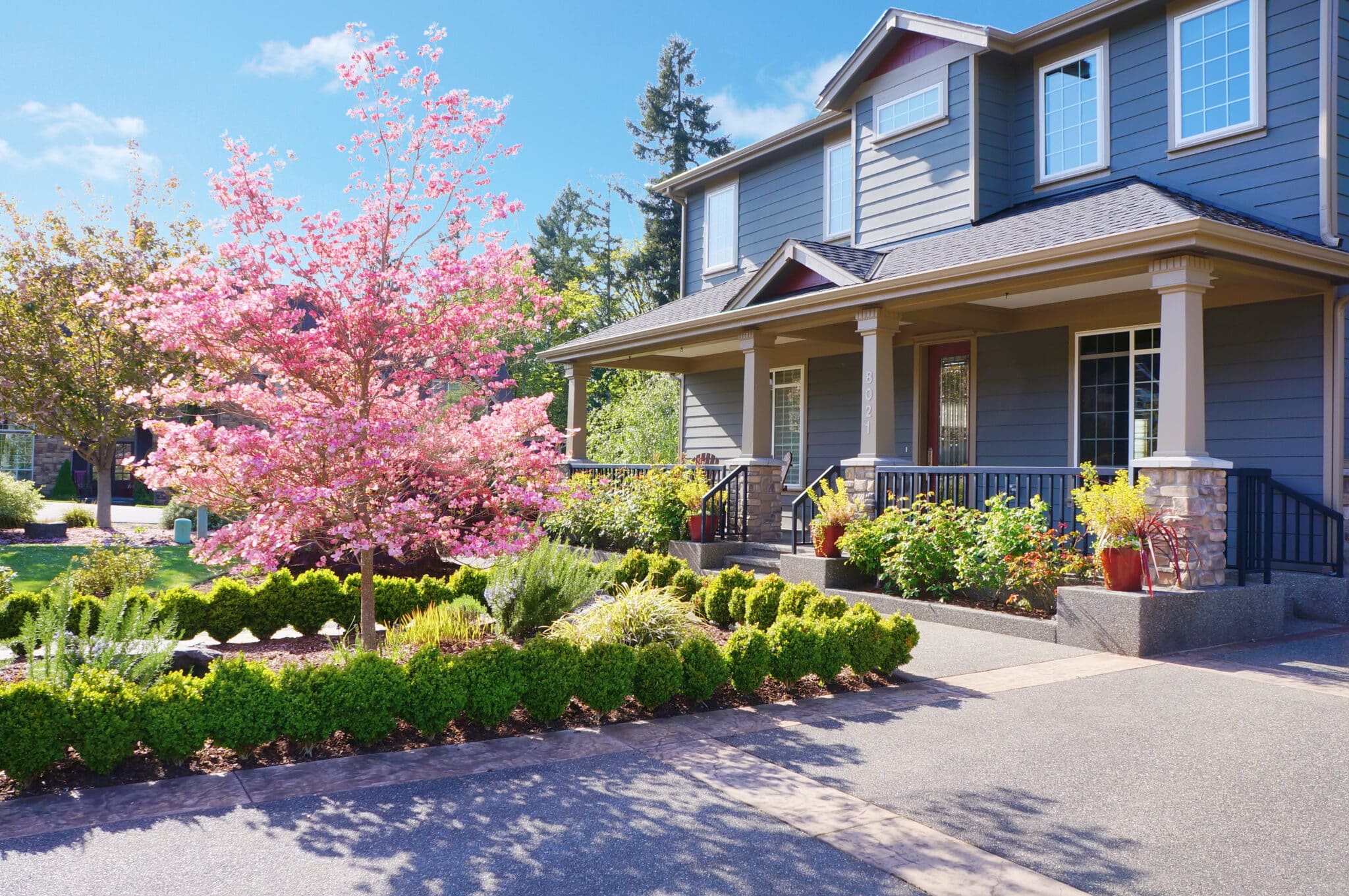
A single-family home is a standalone house with its own yard and no shared walls, so it offers the most space and privacy of any option. For many buyers, that means room for visiting grandchildren, a garden, or a home office without compromise.
According to AARP, 75% of adults 50+ prefer a single-family home. That figure reflects adults 50+ broadly, not just 55+ community residents, but the preference doesn’t fade in retirement.
For scale, the median new single-family home reached about 2,142 square feet in 2025 at a median price of $417,400, according to the U.S. Census Bureau. Those numbers cover all new single-family homes nationally, not 55+ communities specifically, where floor plans often run smaller and single-level. You’ll still own and maintain the structure, but the homeowners association (HOA) typically handles lawn care and exterior upkeep, so a yard doesn’t have to mean a weekend of chores.
Well-Suited For: Buyers who want the most space, a yard, and full ownership without giving up single-level convenience.
2. Attached Homes and Villas
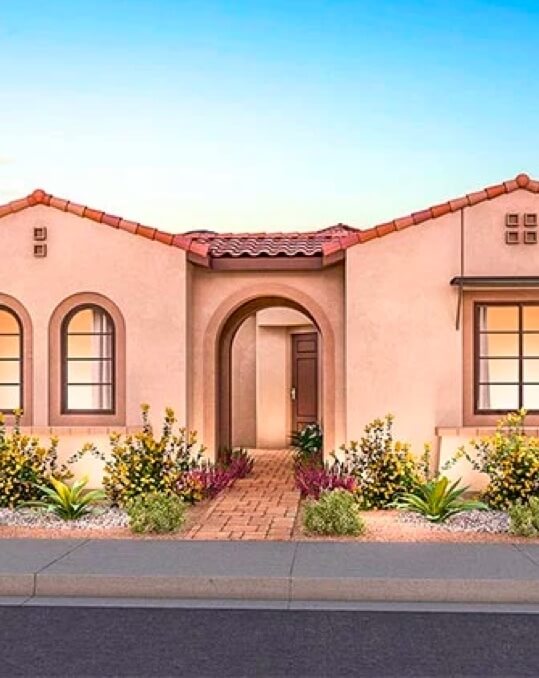
An attached home shares one or more walls with a neighbor. You’ll hear several names for them, including villa, twin home, and duplex, but the idea is the same: house-like living with less exterior upkeep.
Most villas are single-level, so you get the feel of a detached home without the stairs. The HOA usually covers lawn care and exterior maintenance, which makes this style a favorite among lock-and-leave homeowners who want to head south for the winter without arranging for someone to mow the grass. Attached homes and villas are common housing styles in many active adult communities, according to the National Association of Home Builders.
But this option comes with a few tradeoffs. You’re closer to your neighbors and have a little less privacy and yard space than you would with a detached home. For many buyers, that’s a fair trade for the freedom to travel and a shorter to-do list.
Well-Suited For: Buyers who want house-like, single-level living with far less exterior maintenance.
3. Townhomes
A townhome is typically a multi-level home that shares side walls with the units next door, arranged in a row. The upstairs-downstairs layout typically has less square footage, which can mean a lower price than a comparable detached home.
Stairs are the main consideration. For some buyers they’re a dealbreaker, and for others a daily set of stairs is a welcome bit of built-in exercise. Many townhomes are designed with a first-floor primary suite, so you can have everything you need on one level and reserve the upstairs for guests, a hobby room, or storage.
That flexibility is the draw. A townhome can offer more square footage per dollar and a compact, easy-to-manage home, with a second story available when you need it.
Well-Suited For: Buyers who want lower cost and a compact footprint and don’t mind, or prefer, a second story.
4. Condominiums and Apartments
A condominium is the most hands-off way to own in a 55+ community. You own your interior unit, while the condo association handles the building, the grounds, and most exterior repairs. That usually makes condos one of the most affordable for-sale entry points, and it’s the definition of lock-and-leave.
Everything inside the unit sits on one level, so there are no interior stairs to navigate. What you trade is a shared building and, often, less private outdoor space than a house or villa. In return, you get a maintenance list about as short as ownership gets.
Some communities also offer apartment-style rentals alongside condos for sale, giving active adults who aren’t ready to buy a way to try the lifestyle first.
Well-Suited For: Buyers who want minimal upkeep and a lower price point.
5. Manufactured and Land-Lease Homes
Manufactured homes are often the most affordable path into a 55+ community. In many of these communities, called land-lease communities, you buy the home itself and rent the lot it sits on.
The savings are real. According to the industry trade data from MHInsider, a new manufactured home averaged about $115,557 in 2025, or roughly $101 per square foot. The average lot rent in a 55+ community runs about $841 per month, according to the same industry data. And according to 2026 data from MHInsider, manufactured homes make up roughly 9% of new home starts.
Today’s manufactured homes are single-level by design and come with the same community amenities as their neighbors. The tradeoff to weigh is the ongoing lot rent, which can rise over time, so it’s worth factoring into your monthly budget alongside the lower purchase price.
Well-Suited For: Budget-focused buyers who want ownership and community amenities at a lower entry cost.
6. Why So Many Homes Are Single-Level (Ranch-Style)
One thread runs through nearly every home style above: single-level, ranch-style design. It isn’t a coincidence. No-stair living, wider doorways, and zero-step entries make a home easier to navigate at any age, and they’re popular features buyers want.
About 47.5% of new single-family homes started in 2024 were one-story, according to Eye on Housing. That share reflects all new single-family homes nationally. Meanwhile, 43% of adults 50+ believe they will need to modify their homes for future physical needs, according to AARP.
Here’s why purpose-built 55+ homes matter. Only about 1% of U.S. homes have five key accessibility features, including single-floor living, according to an AARP analysis of figures from Harvard’s Joint Center for Housing Studies. Homes designed for the 55+ market can help fill that gap from day one.
7. Do You Buy or Rent in a Retirement Community?
For most active adult communities, the answer is buy. Ownership is the norm in this market, and 84% of adults 60+ own their homes, according to the Federal Reserve. That figure covers all adults 60+, not only 55+ community residents. Buying builds equity and gives you control over the home you plan to enjoy for years to come.
That said, renting is a growing option. The active adult rental segment reached about 118,000 units at 95.6% occupancy in early 2025, according to NIC, and adults 65 to 74 are the fastest-growing group of renters, an industry trend noted by the National Association of Home Builders. Renting can be a good fit if you want flexibility or a trial run before you commit.
Sorting through which communities offer which options takes local knowledge. 55places real estate experts specialize in the 55+ market and know individual communities well, which can save you time as you compare.
Choosing the Right Home Type for You
There’s no single best home type, only the one that fits your priorities and lifestyle. Start by ranking what matters most: space, low maintenance, budget, or the freedom to travel.
- Want the most room and a yard? A single-family home is your match.
- Prefer single-level living with less upkeep? Look at villas and attached homes.
- Watching your budget? Condos and manufactured homes offer the lowest entry points.
- Traveling often? Any lock-and-leave option keeps maintenance off your plate.
Keep in mind that HOA fees vary widely and cover different things from one community to the next, so ask exactly what’s included. The best way to know is to visit: walk through a few floor plans and picture your actual Tuesday morning in each. When you’re ready to compare communities and homes by type, price, and location, you can explore your options on 55places.com.
Frequently Asked Questions
What types of homes are available in retirement communities?
Retirement communities generally offer five types of homes: single-family homes, attached homes or villas, townhomes, condominiums, and manufactured homes. Most are designed for low-maintenance, single-level living.
Can you buy a home in a 55+ community or only rent?
You can usually buy in a 55+ community. Most active adult communities offer homes for sale, though a growing number also offer rentals for buyers who want flexibility or a trial run first.
What’s the difference between a villa and a townhome?
A villa is typically a single-level home that shares one wall with a neighbor. A townhome is usually multi-level and shares side walls with the units in its row.
Are manufactured homes common in retirement communities?
Yes. Many 55+ land-lease communities offer manufactured homes as an affordable option, where you own the home and rent the lot it sits on.
What makes a community a “55+” community?
By federal law, at least 80% of occupied units must have at least one resident age 55 and older. That 80/20 rule is what legally distinguishes an active adult community.
Find the Right Home Type in a 55+ Community
Whether you want a detached home with a yard, a single-level villa, or a low-maintenance condo, a 55places agent can help you compare floor plans, prices, and communities in the areas you’re considering. Contact 55places.com today!

- Insights and market stats
- Instant new home alerts
- Answers from local 55+ experts