OVERVIEW
Home weatherization is the process of sealing air leaks, adding insulation, upgrading windows and doors, and protecting roofs and foundations to withstand seasonal weather. It lowers utility bills, improves indoor air quality, and protects home value—especially important for homeowners 55 and older. The U.S. Department of Energy recommends starting with a home energy audit, and the Weatherization Assistance Program helps eligible homeowners upgrade roughly 32,000 homes each year.
Do you know how to weatherize your home effectively to protect both its value and condition? Most homes across the country are at least 40 years old, and not all are equipped to handle shifting weather conditions and intense storms. While new construction communities often have updated features and appliances—efficient heating in colder climates, for example, and hurricane-proof windows in the Southeast—older homes require some special seasonal attention. Instead of worrying about what might happen, smart homeowners are preparing for any possibility. Taking preventive steps now can avoid costly disasters later.
We’ve put together some information for homeowners looking to improve the efficiency and stability of their homes. Anyone shopping for a new home can also use this information as a buying guide. Location is important in real estate for a number of reasons, including weather, so you’ll need to evaluate any home you may buy in terms of neighborhood, aesthetics, functionality, and weather risk. Weatherizing your home can help lower utility bills, improve indoor air quality, and provide comfort and peace of mind year-round.
Let’s take a look at our checklist for home weatherization and energy efficiency.
Prefer a printable version you can fill out? Download the free checklist.
What Is Weatherization and Why Does It Matter More After 55?
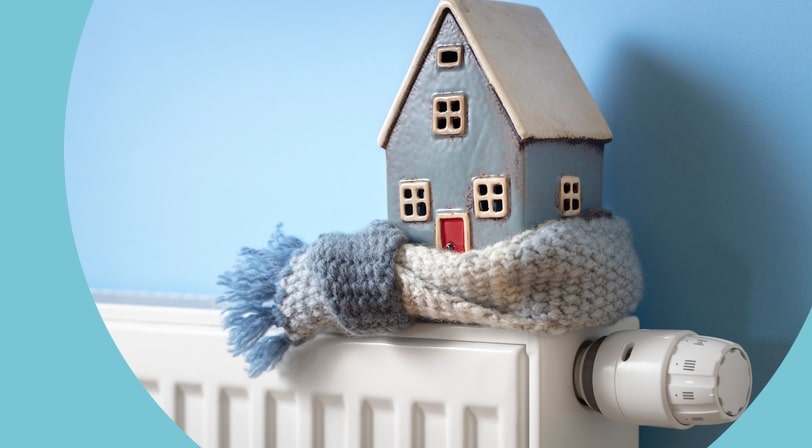
Weatherization is the process of preparing a home to better withstand seasonal weather and local climate while improving comfort, efficiency, and long-term durability. In residential homes, weatherization often includes:
- Sealing air leaks
- Adding insulation
- Improving ventilation
- Upgrading windows and doors
- Protecting roofs, siding, and foundations from moisture and temperature extremes
These improvements help keep warm air inside during winter, cool air inside during summer, and unwanted moisture, drafts, and outdoor pollutants from entering your home. Homeowners in areas that experience heavy rain, strong winds, extreme temperatures, snow, or seasonal storms find that weatherization can be a practical way to reduce the wear and tear often caused by environmental conditions beyond their control. It can also lower your energy costs by helping heating and cooling systems operate more efficiently, regardless of the outdoor temperature.
Active adults who are 55 and older often have a particular interest in weatherizing their homes because they’ve spent years investing in this valuable asset. You might be planning for retirement or thinking about selling in the future. In these cases, weatherization is less a response to risk and more a smart strategy for protecting the condition, performance, and market value of your property.
Start Here: The Home Energy Audit
According to the U.S. Department of Energy, one of the best things a homeowner can do is conduct an energy audit. This is the starting point for building your strategy to weatherize your home. This audit will determine how much energy your home uses, where the major inefficiencies may be hiding, and where you may want to prioritize making upgrades and improvements. Most analyses include a room-by-room physical inspection of your home as well as evaluations of:
- HVAC systems
- Insulation
- Doors and windows
- Lighting
- Air flow
- Appliances
- Electric and plumbing systems
Don’t be surprised if the following technology is used:
- Blower doors
- Infrared cameras
- Gas leak detectors
- Carbon monoxide detectors
- Moisture meters
- Non-toxic smoke pens
- Thermographic scans
There will be an assessment, an analysis, and some recommendations. The purpose of the audit is to evaluate comfort and health risks. Humidity, air quality, and moisture can cause problems for you and your home.
Assistance is available to homeowners who meet eligibility requirements. The Weatherization Assistance Program helps identify and make improvements to 32,000 homes every year. Homeowners can apply here.
Key Weatherization Improvement Categories
Here’s a list of the places most homeowners will want to prioritize for energy-efficient home upgrades and for weatherizing your home.
Air Sealing & Insulation
Air sealing and insulation are among the most effective weatherization upgrades for improving home comfort and energy efficiency. Helpful improvements include:
- Sealing air leaks around windows, doors, and utility points of entry to ensure comfort and energy efficiency
- Adding or upgrading attic insulation to keep moisture, air, and pests out of the home
- Insulating crawl spaces and basements if your home has them
These measures help reduce unwanted heat loss and gain, resulting in lower heating and cooling costs. They can also improve humidity control, enhance indoor air quality, and create a more consistent indoor temperature year-round. These improvements are especially important in regions with extreme heat and cold, whether that’s Michigan and Vermont or Florida and Arizona.
Windows & Doors
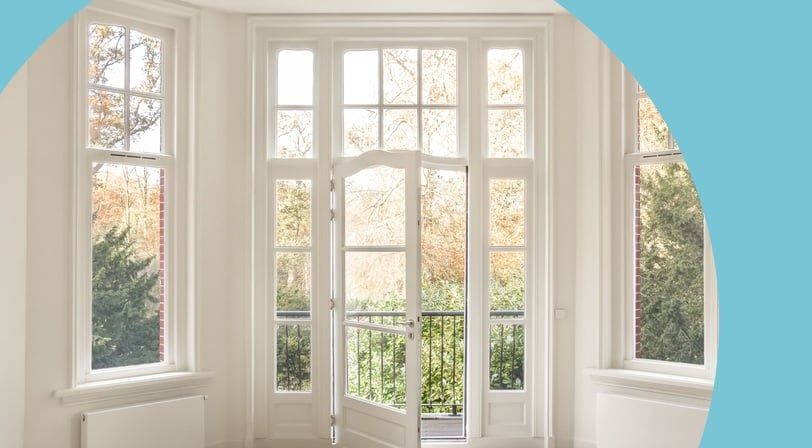
Windows and doors play a major role in a home’s energy performance, comfort, and resilience during severe weather events. Useful upgrades include:
- Double- or triple-pane windows in extreme climates such as Florida
- Weatherstripping installation and door sweeps
- Well-sealed, high-quality windows and doors, which are especially important in areas prone to wildfires such as California, where they help keep smoke and ash out
- Storm shutters or impact-resistant windows in coastal and hurricane-prone regions like the Gulf
Check on your doors and windows once in a while. You want to be sure they open, close, and lock with ease.
Heating, Cooling & Ventilation
Heating, cooling, and ventilation upgrades can significantly improve energy efficiency, indoor comfort, and overall home performance.
- Consider replacing aging HVAC equipment with modern, energy-efficient models
- Upgrade to a high-efficiency water heater, such as a heat pump water heater
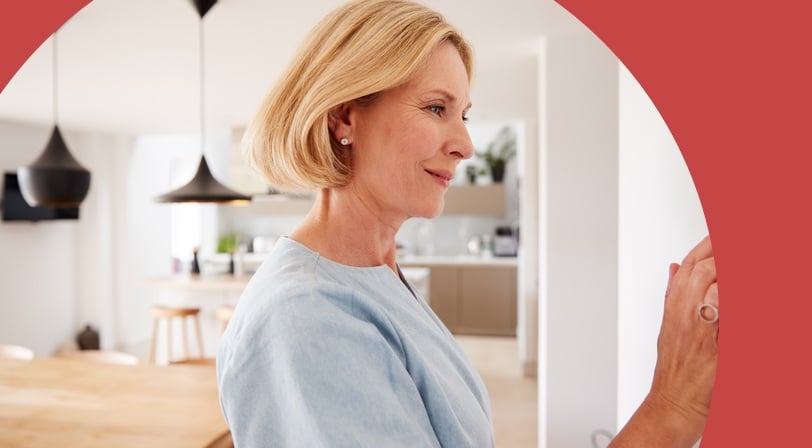
- Install a smart thermostat to enhance comfort by optimizing temperature control while helping reduce energy consumption and utility costs
Proper ventilation is also essential for maintaining healthy indoor humidity levels, ideally between 40% and 60%. Thermostats and monitors can tell you what your home air quality is like.
Roof & Exterior
The roof and exterior components of a home provide critical protection against weather-related damage and moisture intrusion. In hot climates like Arizona, Nevada, and Utah, the roof gets intense sun exposure, and in cold climates, snow and ice can be a problem. Here’s how to modernize and protect your property:
- Conduct regular inspections of the roof, replace any damaged shingles, and clear any debris. The roof is the first line of defense in most weather events and needs ongoing maintenance
- Check gutters and downspouts to ensure water is redirected away from the foundation
- In regions prone to high winds or heavy snow, consider roof upgrades designed to withstand local climate conditions more effectively
Partner with a smart roofing contractor when you’re having yours inspected and serviced. The National Insurance Crime Bureau reminds homeowners that preventing roofing fraud requires vigilance. Make sure you contract with a licensed professional who has a good reputation in your community.
Landscaping & Drainage
Proper landscaping and soil management help protect foundations, control moisture, and improve weather resilience.
- Improve site drainage by grading the yard to direct water away from the foundation and reduce areas where water can collect
- Route downspouts to rain gardens, bioswales, or cisterns where appropriate
- Replace high-maintenance grass with mulch and drought-tolerant native plantings to lower water use and simplify upkeep
- For wildfire-prone areas in the West, maintain defensible space by keeping brush and vegetation clear of the house
Check for local incentives and regional programs, such as Seattle’s RainWise, which offers rebates for stormwater management improvements, and free Smart Water Monitors in Albuquerque, which help homeowners conserve water throughout Bernalillo County.
Basement & Foundation
Southern states like Florida don’t typically have basements, but if you do, you’ll want to keep it dry. The basement and foundation are the first lines of defense against water damage. Here’s how to weatherize them:
- Seal basement walls and floors to reduce moisture intrusion and mold, and to protect structural components
- In flood-prone areas, keep your water heater and HVAC on upper floors when you can
- Install a sump pump to remove excess groundwater, and consider a battery backup system to maintain protection during power outages and severe storms
Pay attention to any cracks in your basement floor or the walls of your foundation. These repairs will only get more expensive if you ignore them.
Emergency Preparedness & Power
A resilient home remains safer, more comfortable, and functional when unexpected disruptions occur. Active adults can protect their properties and themselves in these ways:
- Consider a whole-home generator or battery backup system to ensure power is available at home and household functions can continue.
- Remember that effective weatherization improves energy efficiency and helps maintain indoor comfort longer when utility service is interrupted and power is out.
- Install smart home monitoring systems such as leak detectors and temperature alerts, so you have more peace of mind and a warning when something’s off.
Preparing for hurricanes, earthquakes, and other natural disasters is much easier when you know your risks. Gather information before you buy, and make sure you’re following instructions and information provided by federal and local agencies.
Thinking Regionally: Prioritize What Matters Where You Live
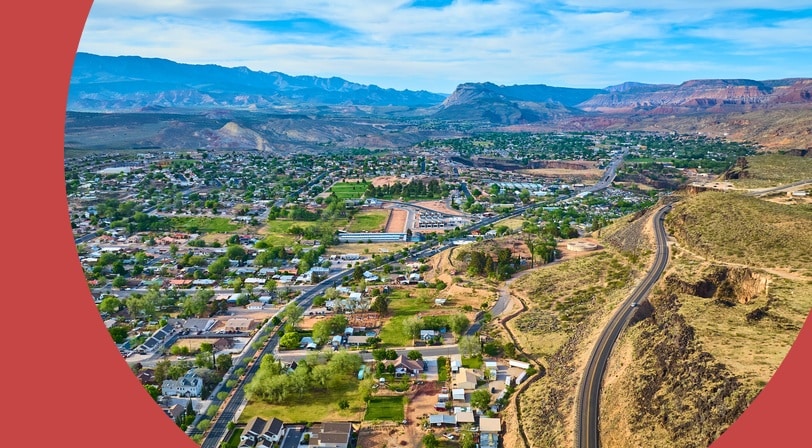
Weatherization priorities will vary widely depending on your area’s unique climate and local weather patterns. Whether you already own a home or are evaluating a potential purchase in a region with weather that’s new to you, focusing on the improvements that matter most in your region can deliver the greatest comfort, efficiency, and long-term value.
Southeast / Gulf Coast
In the Southeast and throughout the Gulf Coast in states like Florida, Mississippi, Alabama, Georgia, and the Carolinas, weatherization means preparing for hurricanes, heavy rainfall, and flooding. Summers are hot and sticky, and winters can sometimes be surprisingly cold. Homeowners should prioritize:
- Impact-resistant windows
- Reinforced roofing systems
- Secure storm shutters
These upgrades are likely to reduce wind damage during severe storms. Proper site grading and drainage improvements can help direct water away from the home and minimize flood risks, and elevating HVAC equipment, electrical panels, and water heaters above potential flood levels can also prevent costly damage.
Prospective buyers in this part of the country should carefully review a property’s flood zone designation, ask about the roof’s age and condition, and confirm whether permanent or removable storm protection systems are included.
Southwest / West
Is your home in New Mexico, Arizona, Nevada, or California? In the Southwest and much of the West, weatherization often needs to focus on wildfire resilience, extreme heat, dry and desert-like conditions, and indoor air quality.
Smart homeowners will create defensible space by managing vegetation around structures and using fire-resistant landscaping where possible. Look for the things that can help reduce heat gain while limiting smoke infiltration during wildfire events:
- High-performance windows
- Effective insulation
- Thorough air sealing
HVAC systems should be properly sized and maintained to handle prolonged periods of high temperatures without sacrificing comfort or efficiency. Prospective buyers will want to be as diligent as homeowners in assessing nearby vegetation, evaluating the condition and performance of windows, and verifying that cooling systems can reliably meet local climate demands.
Midwest / Northeast
In the Midwest and Northeast, weatherization priorities center on managing long winters, freezing temperatures, and significant snowfall. Homeowners and buyers in areas like Ohio and Pennsylvania and throughout New England should focus on:
- Adequate attic and wall insulation
- High-efficiency heating systems
- Proper ventilation strategies that help prevent ice dams from forming along roof edges
Air sealing can further reduce heat loss and improve year-round comfort. Moisture management is also essential, particularly in basements and crawl spaces that may be vulnerable to dampness. Whether you’re buying or renovating, verify attic insulation levels, check the age and efficiency of the furnace or boiler, and review any history of basement moisture or water intrusion issues.
Pacific Northwest
According to the Western Regional Climate Center, the Pacific Northwest receives 70 to 150 inches of rain on average each year. Weatherization efforts need to focus on controlling moisture while preparing for increasingly warm summers. Homeowners are advised to:
- Prioritize proper drainage
- Maintain effective gutter systems
- Consider rain gardens to help manage runoff during extended wet seasons
- Install crawl space vapor barriers, which can reduce moisture migration
As summer heat events become more common, insulation, shading, and cooling strategies are also gaining importance. Buyers and owners want to keep water flowing away from the home. Inspect gutter conditions and prioritize moisture-related repairs.
What to Look for When Buying a Home in a Weather-Prone Area
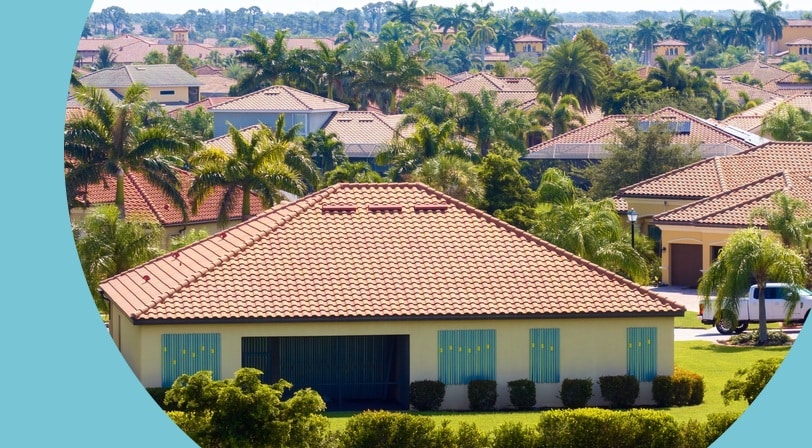
Are you shopping for your next home in a cold northern climate, a humid coastal region, or a hot southern market? Weatherization should be part of your homebuying process. While regional conditions influence which upgrades matter most, a few core principles apply almost everywhere.
Age
One of the first factors to consider is the home’s age. Older homes often attract buyers with their unique charm and character, but they may also contain outdated insulation, drafty windows, air leaks, and aging mechanical systems. Homes built in the last two decades are more likely to meet modern energy codes, feature newer appliances, and have higher-efficiency heating and cooling equipment.
Visual Indicators
During a tour, pay close attention to visible signs of weatherization. Check the condition and age of windows and exterior doors, look for evidence of attic or crawlspace insulation, and note whether the ductwork appears sealed and well-maintained. Examine the roof’s condition and ask about any recent improvements related to insulation, ventilation, or moisture control. Utility costs, if available, can also provide valuable clues about overall efficiency.
Questions to Ask
Before making an offer, ask the seller or listing agent several key questions:
- Has the home undergone an energy audit?
- When were the HVAC system, water heater, windows, and roof last replaced?
- Were any air-sealing, insulation, or weatherproofing upgrades completed?
If solar panels or other energy features are present, clarify ownership, warranties, and maintenance responsibilities. Watch for red flags that may signal future expenses.
New Construction Homes
There are many benefits to buying in a 55+ community, and buyers considering new-construction developments may encounter a range of built-in efficiencies and weatherization upgrades. In purpose-built 55+ communities, builders often incorporate many desirable weatherization features by default, including:
- Energy-efficient HVAC systems
- Energy-efficient appliances
- Improved insulation
- Low-maintenance exterior materials
Verify the specific features included and understand any homeowner association responsibilities related to exterior maintenance and energy-related upgrades.
How to Pay for Weatherization Improvements
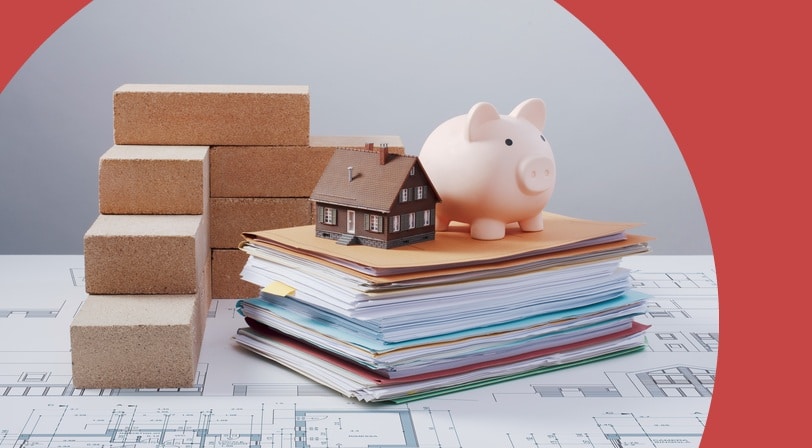
Weatherization upgrades are an opportunity to improve comfort, reduce energy waste, and potentially lower long-term utility costs. Many homeowners can offset costs through federal tax credits for energy efficiency as well as different state programs.
Homeowners should also explore Inflation Reduction Act rebates, a newer initiative rolling out across the country. Because incentives and tax implications vary, we recommend talking to a qualified tax professional for guidance specific to your situation and region.
Weatherization is an excellent way for homeowners to invest in comfort, health, and financial stability. Whether you’re planning to sell your home soon or stay in it for many more years, ensuring it is prepared for any potential weather scenario offers peace of mind and protects its value and condition. If you’re buying a house, you need to know what you’re getting and what you need to prepare for, whether you’re in a region known for heat, snow, or flooding.
Many active adults prefer to buy a newer home that’s already prepared for potential weather events and full of energy-efficient upgrades. Instead of investing in updates and improvements, new owners and buyers may choose to have everything future-proofed when they buy. In that case, 55+ communities with strict building standards can deliver a fully weatherized home—and a lot of peace of mind—at the time of purchase.
Want to save this checklist for later? Download the printable version.
FAQ: Home Weatherization
What is home weatherization?
Home weatherization is the process of preparing a home to withstand seasonal weather and local climate while improving comfort, efficiency, and durability. It typically includes sealing air leaks, adding insulation, improving ventilation, upgrading windows and doors, and protecting the roof, siding, and foundation from moisture and temperature extremes.
Is weatherizing your home worth it?
Yes, weatherization is worth it for most homeowners. It lowers utility bills by helping heating and cooling systems run more efficiently, improves indoor air quality, and protects the long-term condition and market value of your home. It’s especially valuable for homeowners 55 and older who plan to sell or age in place.
Where should I start when weatherizing my home?
Start with a home energy audit. The U.S. Department of Energy recommends an audit as the first step because it identifies how much energy your home uses, where inefficiencies are hiding, and which upgrades to prioritize. Most audits include a room-by-room inspection of HVAC systems, insulation, doors and windows, lighting, airflow, and appliances.
What is a home energy audit?
A home energy audit is a professional assessment of how much energy your home uses and where it’s being wasted. Auditors may use blower doors, infrared cameras, gas leak detectors, moisture meters, and thermographic scans, and then deliver an analysis with recommended upgrades that address both efficiency and health risks, such as humidity and air quality.
What is the Weatherization Assistance Program?
The Weatherization Assistance Program is a U.S. Department of Energy initiative that helps eligible homeowners identify and complete weatherization improvements. It supports upgrades for approximately 32,000 homes every year, and homeowners who meet income and eligibility requirements can apply through the Department of Energy.
What are the most effective weatherization upgrades?
Air sealing and insulation are among the most effective weatherization upgrades. Sealing leaks around windows, doors, and utility entry points and adding or upgrading attic insulation reduce heat loss and gain, lower heating and cooling costs, improve humidity control, and create more consistent indoor temperatures year-round.
How does weatherization lower energy bills?
Weatherization lowers energy bills by keeping conditioned air inside your home so heating and cooling systems don’t have to work as hard. Sealing drafts, insulating attics and crawl spaces, and upgrading to efficient HVAC equipment, water heaters, and smart thermostats all reduce energy consumption and utility costs.
What humidity level should my home be?
Indoor humidity should ideally stay between 40% and 60%. Proper ventilation helps maintain healthy humidity levels, and smart thermostats and air quality monitors can track your home’s conditions so you can address moisture problems before they cause damage or health issues.
How do I weatherize a home in a hurricane-prone area?
In hurricane-prone regions like Florida and the Gulf Coast, prioritize impact-resistant windows, reinforced roofing systems, and secure storm shutters. Proper site grading and drainage direct water away from the home, and elevating HVAC equipment, electrical panels, and water heaters above potential flood levels prevents costly damage.
How do I weatherize a home in a cold climate?
In cold climates like the Midwest and Northeast, focus on adequate attic and wall insulation, high-efficiency heating systems, and ventilation strategies that prevent ice dams from forming along roof edges. Air sealing further reduces heat loss, and moisture management in basements and crawl spaces prevents dampness problems.
How do I protect my home from wildfires?
Create defensible space by keeping brush and vegetation clear of the house and using fire-resistant landscaping. High-performance windows, effective insulation, and thorough air sealing help limit smoke and ash infiltration during wildfire events, which is especially important in states like New Mexico, Arizona, Nevada, and California.
Do older homes need more weatherization than newer homes?
Yes, older homes generally need more weatherization. Most homes across the country are at least 40 years old and may contain outdated insulation, drafty windows, air leaks, and aging mechanical systems. Homes built in the last two decades are more likely to meet modern energy codes and include higher-efficiency heating and cooling equipment.
Are new construction 55+ communities already weatherized?
Often, yes. In purpose-built 55+ communities, builders typically incorporate weatherization features by default, including energy-efficient HVAC systems and appliances, improved insulation, and low-maintenance exterior materials. Buyers should still verify the specific features included and understand any HOA responsibilities for exterior maintenance.
Are there tax credits for weatherization improvements?
Yes, many homeowners can offset weatherization costs through federal tax credits for energy efficiency, state programs, and Inflation Reduction Act rebates rolling out across the country. Because incentives and tax implications vary by region, talk to a qualified tax professional for guidance specific to your situation.
How do I find a weatherized home in a 55+ community?
Start by working with a real estate expert who specializes in active adult communities. 55places.com can connect you with communities featuring strict building standards, energy-efficient construction, and built-in weatherization upgrades, so your next home delivers comfort and peace of mind from the day you move in.
Ready to Find a Home Built for Every Season?
Whether you’re weatherizing your current home or searching for a new one that’s already prepared for whatever the forecast brings, our team of experts can help you find the perfect 55+ community with the energy-efficient features and peace of mind you deserve. Contact 55places.com today!

- Insights and market stats
- Instant new home alerts
- Answers from local 55+ experts