OVERVIEW
Cape Cod, Massachusetts, is a good place to retire for active adults who want coastal New England living and can afford a cost of living 31.5% above the national average. Median home prices on the Cape range from $600k to $800k, and the broader Plymouth–Cape Cod area offers more than 18 active adult and 55+ communities, including Southport in Mashpee and Great Island in Plymouth, at a wider range of price points.
Cape Cod is one of the most popular retirement destinations in New England. The coastal scenery is beautiful, the towns have real character, and the pace of life is exactly what many retirees are looking for. But it’s not the right fit for everyone, and there are some real trade-offs to consider.
Here’s what retiring on Cape Cod actually looks like.
What Makes Cape Cod So Appealing to Retirees

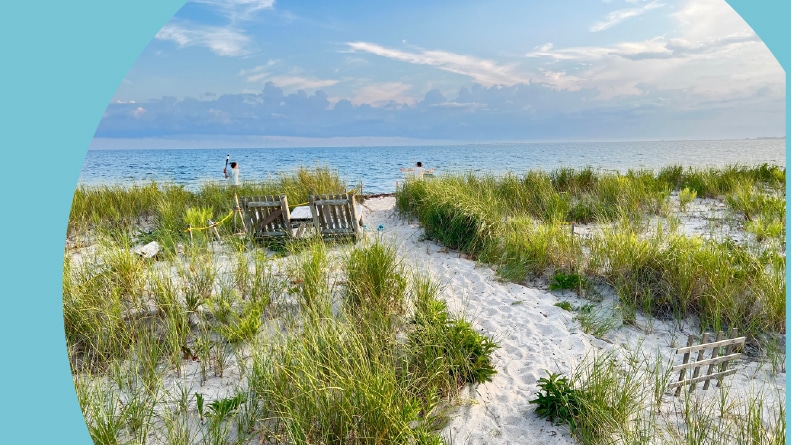
Cape Cod checks a lot of boxes for people ready to slow things down. The peninsula is home to 15 towns, each with its own personality, from the artsy energy of Provincetown to the more relaxed, family-friendly vibe of towns like Falmouth and Sandwich. You’re getting a mix of natural beauty, New England history, farm stands, and farmers markets throughout the summer, and some of the best seafood in the Northeast.
There’s also a well-established retiree population here. About 35% of the Cape’s residents are 65 or older, so the social scene, services, and day-to-day infrastructure are already set up for active adults. Most towns have active councils on aging and senior centers, so retirees won’t have trouble finding people in the same stage of life.
What It Actually Costs to Live on Cape Cod

The cost of living in Cape Cod is about 31.5% above the national average, and housing is the biggest reason. Median home prices on the Cape hover in the $600k to $800k range, depending on the town, and desirable waterfront or village-center homes can go well above that.
Provincetown and Chatham sit at the luxury end, while towns like Dennis and Yarmouth tend to offer more affordable options. Rentals aren’t much easier to come by, with about 82% of Barnstable County being owner-occupied. Year-round rental availability is limited, and monthly rents range from roughly $900 for a studio to $2,450 or more for a three-bedroom.
Beyond housing, groceries, utilities, and services all come at a premium, partly because of the Cape’s geography and seasonal economy. Electricity rates through Eversource average around $0.28 per kWh, and winter heating bills can climb quickly in older homes.
If you’re comparing Cape Cod to other parts of Massachusetts, it’s generally less expensive than the Boston metro but pricier than communities further inland or along the South Coast. Compared to other popular coastal retirement areas, it falls on the higher end, especially for housing.
55+ Communities in the Plymouth-Cape Cod Area
- Arbor Hills – Kingston, MA
- Chilton Park Village – Plymouth, MA
- Cranberry Grove – Wareham, MA
- Duxbury Estates – Duxbury, MA
- Great Island – Plymouth, MA
- Kensington at The Pinehills – Plymouth, MA
- Lake Point Village – Lakeville, MA
- Mattapoisett Landing – Mattapoisett, MA
- Oak Point – Middleborough, MA
- Red Mill Village – Norton, MA
- Rolling Mill – Plymouth, MA
- Sawyer’s Reach – Plymouth, MA
- Seton Highlands at The Pinehills – Plymouth, MA
- Southport – Mashpee, MA
- Summer Reach – Plymouth, MA
- Tara Woods – Plymouth, MA
- The Cottages at Lebaron Hills – Lakeville, MA
- The Pines at Hathaway Pond – Rochester, MA
- The Preserve at Hunters Hill – Dighton, MA
Taxes and Retirement Income in Cape Cod
Massachusetts has a flat 5% state income tax that applies to most retirement income, including 401(k) and IRA withdrawals, as well as private pensions. But there are a few exceptions that work in retirees’ favor:
- Social Security is not taxed at the state level
- Government pensions (federal, state, military) are generally exempt from state income tax
- Residents 65 and older get a $700 personal exemption on their state return
- The Senior Circuit Breaker Tax Credit offers a refundable credit of up to $2,820 if your property taxes or rent exceed a percentage of your income
Property tax rates on the Cape tend to be lower than the state average. The statewide average effective rate is about 1%, but many Cape towns come in below that. Sales tax in Massachusetts is 6.25%, with no additional local taxes.
It’s not the most tax-friendly state for retirees compared to states with no income tax. But the combination of Social Security exemptions, senior credits, and moderate property taxes keeps it manageable for many.
What Health Care Looks Like on the Cape

Cape Cod Healthcare is the region’s primary health system, with two acute care hospitals (Cape Cod Hospital in Hyannis and Falmouth Hospital), seven urgent care centers, and more than 600 providers. For primary care and most common specialties, you can get what you need without leaving the Cape.
Where it gets trickier is with highly specialized care. For complex procedures or rare conditions, you’ll likely need to head to Boston, which is roughly 70 miles from mid-Cape. That drive can take anywhere from 90 minutes to over two hours, depending on traffic and the time of year.
The system has also been growing. Cape Cod Healthcare has added hospital beds and upgraded its emergency centers in recent years to keep up with the area’s retiree population. It also runs home health and hospice services through its Visiting Nurse Association, which matters if you’re planning to age in place.
Living Through Four Seasons on the Cape
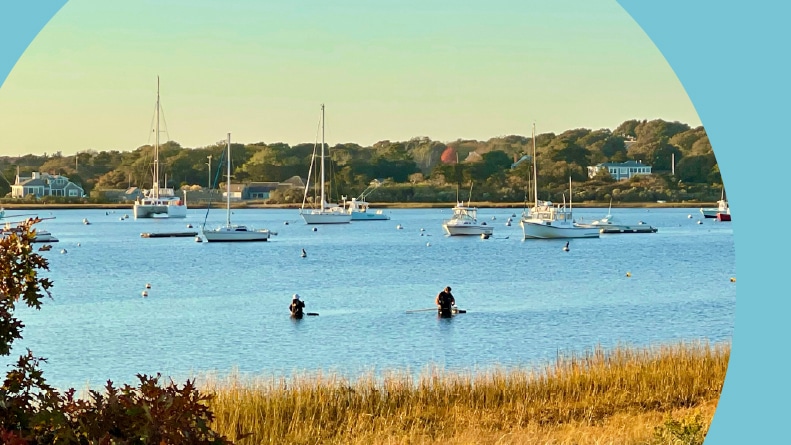
Cape Cod gets four real seasons, though the ocean keeps things more moderate than what you’d feel inland. Summers are warm but rarely extreme, usually in the 70s and 80s. Winters are milder than the rest of Massachusetts but still cold, with average lows in the 20s and occasional nor’easters that bring snow and wind.
The population drops significantly between October and May, and many seasonal businesses close entirely. Some retirees split the difference by living on the Cape seasonally and spending winters somewhere warmer. Others go all in on the year-round lifestyle and enjoy the slower pace that winter brings. It really comes down to how you handle cold weather and if a few quieter months sound peaceful or isolating.
What Everyday Life Looks Like on Cape Cod

Cape Cod is a place built for people who enjoy being outdoors and staying active at their own pace. Depending on what you’re into, a typical week might include:
- Morning walks on the Cape Cod Rail Trail or through the Cape Cod National Seashore
- Kayaking, sailing, or fishing in calm harbors and inlets
- Browsing galleries in Wellfleet or Provincetown
- Catching live music or theater at one of the local venues
- Picking up fresh seafood at a roadside shack or farmers market
There are also plenty of clubs, volunteer groups, and community programs geared toward retirees. The Cape has a strong volunteer culture and an active social scene through town recreation departments, libraries, and senior centers, making it easy is stay connected.
Who Should Consider Retiring on Cape Cod?
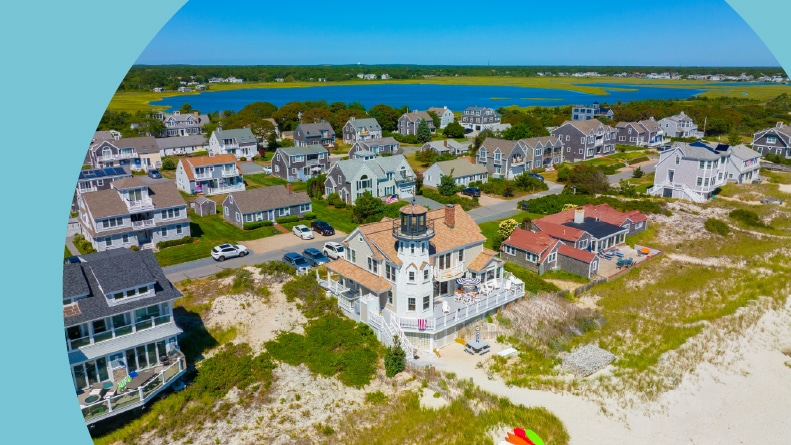
Cape Cod works well for retirees who want to be near the water, enjoy a tight-knit community, and can afford the above-average cost of living. Retirees with ties to New England, whether that’s family nearby or just a lifelong love of the region, often find that the Cape feels like a natural landing spot.
It’s a harder sell if you’re on a tight budget, need regular access to specialized medical care, or know you don’t do well with cold winters and seasonal quiet.
FAQ: Retiring on Cape Cod
Is Cape Cod a good place to retire?
Yes. Cape Cod offers beautiful scenery, charming towns, excellent seafood, and a well-established retiree population. The tradeoffs are high housing costs (median prices in the $600k to $800k range), cold winters, limited specialized health care, and a seasonal economy that quiets down significantly from October to May.
How much does it cost to live on Cape Cod?
The cost of living on Cape Cod is about 31.5% above the national average, driven primarily by housing. Rentals are limited, with monthly rents ranging from roughly $900 for a studio to $2,450 or more for three bedrooms. Groceries, utilities, and services also carry a premium.
Is Cape Cod expensive compared to other retirement destinations?
Yes, Cape Cod falls on the higher end of coastal retirement areas, especially for housing. It’s generally less expensive than the Boston metro but pricier than inland Massachusetts, the South Coast, or many popular retirement markets in the Southeast and Southwest. The 31.5% premium over the national average cost of living is primarily driven by housing, but groceries, utilities, and services also cost more due to the Cape’s geography and seasonal economy.
What are the most affordable towns on Cape Cod?
Dennis and Yarmouth tend to offer more affordable housing options compared to other Cape towns. Provincetown and Chatham sit at the luxury end of the market. For retirees looking at 55+ communities, the Plymouth area has a larger selection of active adult neighborhoods at a wider range of price points, including communities in Kingston, Wareham, Middleborough, and Lakeville.
Are there 55+ communities on Cape Cod?
Southport is a 55+ community located on Cape Cod. The broader Plymouth–Cape Cod area offers a much larger selection, with communities in Plymouth (including Great Island, Sawyer’s Reach, Tara Woods, and Seton Highlands at The Pinehills), Duxbury, Kingston, Wareham, Middleborough, Lakeville, and other nearby towns. These communities provide active adult living within easy reach of the Cape.
What is there to do on Cape Cod for retirees?
Daily life on the Cape centers on outdoor recreation and community involvement. Retirees enjoy walking the Cape Cod Rail Trail and Cape Cod National Seashore, kayaking and sailing in calm harbors, browsing galleries in Wellfleet and Provincetown, catching live music and theater, and picking up fresh seafood at roadside shacks and farmers markets. There’s also a strong volunteer culture and active social scene through town recreation departments, libraries, senior centers, and councils on aging.
Is Cape Cod too quiet in the winter?
The population drops significantly between October and May, and many seasonal businesses close entirely. Some retirees love the slower pace and find winter on the Cape peaceful and restorative. Others find the quieter months isolating, especially if they don’t have a strong local social network. Many retirees split the difference by living on the Cape seasonally and spending winters somewhere warmer.
Can you rent on Cape Cod year-round?
Year-round rental availability on Cape Cod is limited. About 82% of Barnstable County is owner-occupied, and much of the rental stock is seasonal. Monthly rents for year-round units range from roughly $900 for a studio to $2,450 or more for a three-bedroom. Retirees who want to rent before committing to a purchase may need to plan ahead, as inventory is tight and competition is high, particularly in desirable towns.
How far is Cape Cod from Boston?
Boston is roughly 70 miles from mid-Cape. The drive takes anywhere from 90 minutes to well over two hours, depending on traffic and the time of year. Summer and holiday weekends see the heaviest congestion.
Who should consider retiring on Cape Cod?
Cape Cod is best suited for retirees who want coastal New England living, enjoy a tight-knit community, and can handle above-average living costs. It’s especially appealing for those with ties to the region. It’s a harder fit for retirees on a tight fixed income, those who need regular access to specialized medical care, or anyone who doesn’t do well with cold winters and seasonal quiet.
Final Verdict: Is Cape Cod a Good Place to Retire?
For the right person, Cape Cod is one of the best places to retire in the Northeast. You’d need to be comfortable with housing costs, realistic about health care access, and okay with the fact that winters are cold and quiet. But if you’ve weighed those things and the lifestyle still pulls you in, it’s hard to find a better spot.

- Insights and market stats
- Instant new home alerts
- Answers from local 55+ experts