
OVERVIEW
Buying into a 55+ community adds five cost categories beyond the home price: monthly homeowners association (HOA) dues, one-time capital contributions and transfer fees at closing, occasional special assessments, Community Development District (CDD) assessments in some Florida communities, and the cost of selling and moving. The U.S. Census Bureau puts the 2024 national median HOA fee at $135 a month, and amenity-rich active adult communities often run higher.
The added costs of moving to a 55+ community generally fall into a few groups: recurring costs like HOA dues, property taxes, and insurance; one-time costs like special assessments and capital contributions due at closing; and costs tied to the move itself, from selling your current home to hiring movers.
None of this means a community is trying to catch you off guard. These are the same categories of costs that come with buying any home, just organized around shared amenities and association living. This guide walks through the full cost of living in a 55+ community so you can plan your budget before you sign.
Monthly HOA Dues

Nearly every 55+ community with shared amenities charges a monthly HOA fee. In most communities, dues fund landscaping, common-area upkeep, and amenities like the clubhouse and pool. In attached homes, dues often bundle in exterior maintenance too, while single-family owners tend to handle more of that themselves.
According to the U.S. Census Bureau, the national median condo or HOA fee in 2024 was $135 a month, though about 3 million homes paid more than $500. Amenity-rich 55+ communities often run higher than that median, sometimes several hundred dollars a month, since more shared amenities mean more shared upkeep. Fees like this are the norm rather than the exception. The Foundation for Community Association Research reports that more than a third of U.S. housing (35.2%) sits within a community association, home to 78.1 million residents.
It helps to think of the fee as a trade rather than an extra cost: instead of spending a Saturday mowing the lawn, you get a maintained lawn and pool for a monthly bill. What the fee doesn’t include is worth checking too. Some communities bill water, trash, cable, or internet separately, and premium amenities like golf can carry their own charges. Ask which services are bundled and which show up on a separate bill.
Related Article: Everything You Need to Know About a 55+ Community HOA
One-Time Costs Due at Closing

Some communities charge a one-time cost when you buy, on top of the home price. A capital contribution, sometimes called a capital improvement fee, helps fund the association’s reserves, and an HOA transfer fee covers the paperwork of moving ownership into your name.
These are paid at closing rather than through monthly dues, so they’re easy to miss if you’ve only budgeted for the home price itself. Amounts vary widely by community, from a few hundred dollars to several thousand. Ask your agent for the exact figure early, so it’s accounted for before you get to the closing table. Weighing these numbers is part of how to choose the right retirement community for you.
Special Assessments and Rising Dues

A special assessment is a one-time charge the HOA collects when a major repair or project, such as a new roof or a repaved road, costs more than the reserve fund covers. Regular dues also tend to rise gradually over time as costs and amenities grow, much like any other homeownership cost.
The best protection against a surprise assessment is a healthy reserve fund: the savings an HOA sets aside for major expenses. Before you buy, ask for the reserve fund balance, the community’s recent budget, and its assessment history over the past several years. A well-funded reserve with a clean history is a good sign to look for, and it is one of the benefits of having an HOA that buyers tend to overlook.
CDD Fees in Florida Communities
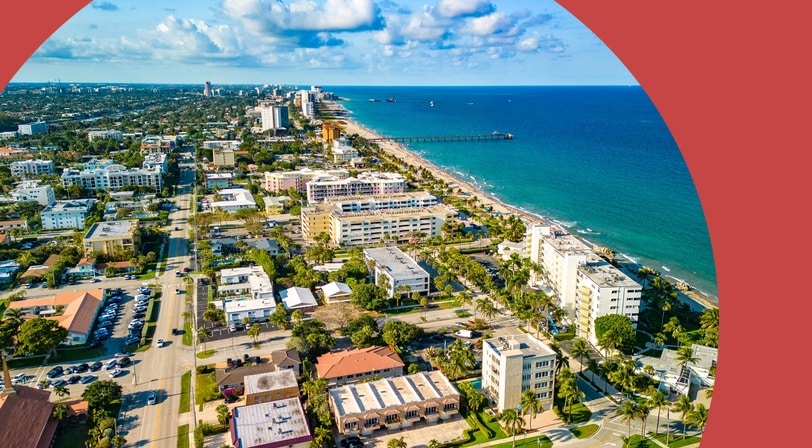
In some Florida communities, a CDD assessment helps repay the bonds used to build infrastructure such as roads, water and sewer systems, stormwater facilities, and community amenities, while also funding ongoing operations and maintenance. According to The Florida Senate, CDDs are governed by Chapter 190 of the Florida Statutes, and the assessment is typically collected as a non-ad valorem assessment on the annual property tax bill rather than through the HOA. Annual CDD assessments for single-family homes commonly range from about $1,500 to $3,000 or more, although the exact amount and the number of years remaining on the bond vary by community.
CDDs exist only in Florida, and not every Florida community has one. If you’re comparing popular Florida active adult communities, ask whether a CDD assessment applies, how much it is, and how many years remain on the bond repayment.
Insurance, Taxes, and Health Coverage After You Relocate

A move to a new state or region changes more than your address. It can shift several ongoing costs enough to offset the savings you expected.
Homeowners Insurance
Homeowners insurance tends to run higher in coastal and high-risk areas, and many popular retirement destinations sit right on the water. What homeowners insurance costs in a retirement community depends heavily on where you land. The U.S. Government Accountability Office found average U.S. homeowners premiums rose about 3% from 2019 to 2024 after inflation, but parts of southern coastal areas at high risk of wind damage saw increases of 25% or more, and high wind-risk homes ran about 58% higher than similar medium-risk homes.
Florida had the nation’s highest median property insurance cost for mortgaged homes in 2023 at $2,273, according to the Census Bureau, while NerdWallet estimates the national average closer to $2,490 a year for $400,000 in dwelling coverage. A quote by ZIP code before you commit is the simplest way to keep this cost from becoming a surprise.
Property Taxes
Property taxes are set locally, not by a community’s age-restricted status, so a 55+ address doesn’t automatically lower your bill. Senior or homestead exemptions can lower it, depending on the county, though whether 55+ residents should pay less property tax is still an open debate.
A state with no income tax may also lean more heavily on property or sales tax to make up the difference, so the full tax picture matters more than any single number. Comparing the best and worst states for retirement taxes can help you see how a new state’s costs really add up.
Health Coverage
Health coverage can shift too: Medicare Advantage and Part D plans are tied to specific service areas, so moving can force a plan change. AARP notes that leaving a Medicare Advantage plan’s service area triggers a Special Enrollment Period that starts the month before your move and runs two months after. Original Medicare, by contrast, works nationwide. Pulling all of this into one number is the point of retirement budgeting for your move to a 55+ community.
The Cost of Selling Your Current Home

For most buyers, the money for the next home comes from selling the current one, and that sale has its own costs. The largest is typically the agent commission, and 55places has covered how recent real estate commission changes affect 55+ buyers and sellers. Industry estimates put the average national total commission rate near 5.44% in 2025, and commission has been negotiable since the 2024 National Association of Realtors (NAR) settlement, so it’s worth a direct conversation with your agent.
Prep, staging, minor repairs, and other seller-side closing costs add to that total, all of which the guide to selling your home on 55places walks through in order. What you net after these costs, not the sale price itself, is what actually funds the down payment on your next home.
The Cost of the Move Itself

The physical move carries its own price tag: movers, packing supplies, storage, and the time it takes to sort through years of belongings. Estimates vary by distance and load. This Old House puts the average local move at $1,489 and the average long-distance move at $3,124, while moveBuddha estimates that larger cross-country moves, priced by weight and distance, can range from roughly $2,509 to $11,641.
Downsizing before you pack is one of the more effective ways to bring that number down, since fewer boxes mean a smaller, cheaper move. A step-by-step approach to downsizing your home before a move can make the sorting process feel more manageable.
Buyer-side closing costs are separate from the move itself, and the ultimate guide to moving when you’re 55 covers how the pieces fit together. Title, escrow, lender, and transfer-tax charges typically run a few percent of the purchase price and vary by state.
Ongoing Costs After You Move In

Once you own the home, a couple of ongoing costs are worth planning for beyond HOA dues. Investopedia suggests budgeting roughly 1% to 4% of your home’s value each year for general maintenance, even in communities where the HOA handles exterior upkeep. Insurance and property taxes will keep recurring annually alongside your mortgage as well.
Here’s a quick summary of the costs covered above:
| Cost | Type | Typical Range |
|---|---|---|
| HOA dues | Recurring, monthly | $135/month national median |
| Special assessment | One-time | A few hundred to several thousand dollars |
| Capital contribution | One-time, at closing | Community-specific |
| CDD fee (Florida only) | Recurring, annual | $1,500 to $3,000 or more |
| Home maintenance | Recurring, annual | 1% to 4% of home value |
| Homeowners insurance | Recurring, annual | About $2,490 average |
| Selling commission | One-time | 5.44% average |
| The move itself | One-time | Roughly $1,500 to $11,600, depending on distance |
Questions to Ask Before You Buy

A short list of questions can help you get real numbers for any community you’re considering:
- What do the monthly HOA dues cover, and what falls outside them?
- Which one-time costs are due at closing?
- What is the reserve fund balance, and when was the last special assessment?
- If in Florida: Does a CDD fee apply, and how many years remain on the bond?
- How often have dues risen over the past five years?
Costs vary from community to community, so a real quote beats a national average every time.
FAQ: 55+ Community Fees
What extra costs should you expect when moving to a 55+ community?
Expect five categories beyond the purchase price: monthly HOA dues, one-time closing costs like a capital contribution and transfer fee, occasional special assessments, the cost of selling your current home, and the move itself. In Florida, a CDD assessment may also apply. Insurance and property taxes can shift if you’re relocating to a new state.
How much are HOA fees in a 55+ community?
The national median condo or HOA fee was $135 a month in 2024, according to the U.S. Census Bureau, but amenity-rich 55+ communities frequently run several hundred dollars a month. About 3 million U.S. homes paid more than $500 a month. The more shared amenities a community maintains, the higher the dues tend to be.
Do 55+ community HOA fees include utilities?
Sometimes, but not reliably. Some associations bundle water, trash, cable, or internet into the dues, while others bill them separately. Ask for a line-item breakdown of what the dues cover before you buy, and check whether premium amenities like golf carry their own charges.
What is a capital contribution fee?
A capital contribution is a one-time payment due at closing that helps fund the association’s reserves. It’s sometimes called a capital improvement fee, and amounts range from a few hundred dollars to several thousand depending on the community. Because it isn’t part of monthly dues, it’s easy to miss if you’ve only budgeted for the home price.
What is an HOA transfer fee?
An HOA transfer fee covers the administrative work of moving ownership records into your name. Like a capital contribution, it’s paid at closing rather than through monthly dues. Ask your agent for the exact figure early so it’s accounted for before you reach the closing table.
What is a special assessment in a 55+ community?
A special assessment is a one-time charge the HOA collects when a major repair or project costs more than the reserve fund covers, such as a new roof or repaved roads. Amounts vary widely by community. Asking about the reserve balance and recent assessment history is the best way to gauge your risk.
How can you tell if an HOA is financially healthy?
Ask for three documents: the reserve fund balance, the current operating budget, and the assessment history for the past several years. A well-funded reserve paired with few or no recent special assessments is a strong signal. A thin reserve with a pattern of assessments suggests future charges are likely.
Why do HOA dues go up over time?
Dues rise because the costs the association pays rise: labor, insurance, utilities, and materials. Communities that add amenities also add upkeep. Asking how often dues have increased over the past five years gives you a realistic trend line rather than a single snapshot.
What is a CDD fee, and does it apply everywhere?
A Community Development District fee repays the bonds that funded a community’s roads and utility infrastructure, and it exists only in Florida. CDDs are governed by Chapter 190 of the Florida Statutes. Not every Florida community has one, so ask directly whether one applies to a community you’re considering.
How much are CDD fees in Florida?
Annual CDD assessments for single-family homes commonly run from about $1,500 to $3,000 or more. The assessment appears on your annual property tax bill as a non-ad valorem charge rather than on your HOA statement. Ask how many years remain on the bond, since the repayment portion ends when the bond is paid off.
Are property taxes lower in a 55+ community?
No, not automatically. Local governments set property taxes based on the home and its location, not a community’s age-restricted status. Senior or homestead exemptions can lower the bill in some areas, so it’s worth checking with the county assessor directly.
How much does homeowners insurance cost after you relocate?
NerdWallet estimates the national average near $2,490 a year for $400,000 in dwelling coverage. Coastal and high wind-risk areas run considerably higher: the Government Accountability Office found high wind-risk homes cost about 58% more than comparable medium-risk homes. Florida had the highest median property insurance cost for mortgaged homes in 2023 at $2,273.
Does moving to another state affect Medicare?
Original Medicare works nationwide, but Medicare Advantage and Part D plans are tied to specific service areas, so a move can force a plan change. AARP notes that leaving a Medicare Advantage plan’s service area triggers a Special Enrollment Period beginning the month before your move and running two months after. Confirm your plan’s service area before you sign anything.
How much does it cost to sell your current home?
Agent commission is the largest line item, averaging near 5.44% nationally, and it has been negotiable since the 2024 National Association of Realtors settlement. Prep, staging, minor repairs, and seller-side closing costs add to the total. What you net after all of it, not the sale price, is what funds your down payment.
How much does it cost to move to a 55+ community?
This Old House puts the average local move at $1,489 and the average long-distance move at $3,124, while moveBuddha estimates larger cross-country moves at roughly $2,509 to $11,641. Buyer-side closing costs are separate and typically run a few percent of the purchase price.
How do you find out the real costs of a specific 55+ community?
Ask the association or a local agent for the actual documents: the current dues schedule, the reserve fund balance, the assessment history, and any CDD disclosure. National averages are useful for framing a budget but never match a specific community. A local agent who knows the community can pull the real numbers for you.
Get the Real Numbers for the Community You’re Considering
A national median is a starting point, not a budget. If you want the actual dues, reserve balance, and closing costs for a specific 55+ community, a local 55+ real estate agent can pull the documents and walk you through them line by line. Contact 55places.com today!

- Insights and market stats
- Instant new home alerts
- Answers from local 55+ experts