OVERVIEW
You can build a fence in many 55+ communities, but almost always only with written approval from the homeowners association (HOA). Some age-restricted communities permit rear-yard fencing only, and others prohibit fences entirely. Fence rules live in a community’s covenants, conditions, and restrictions (CC&Rs) and design guidelines, which typically cap height at about 6 feet in back yards and limit materials and color.
In many cases you can build a fence in a 55+ community, but almost always only with your HOA’s approval, and some communities don’t allow fences at all.
Here’s where those rules come from, why they exist, and what to check before you dig the first post hole.
Can You Build a Fence in a 55+ Community?
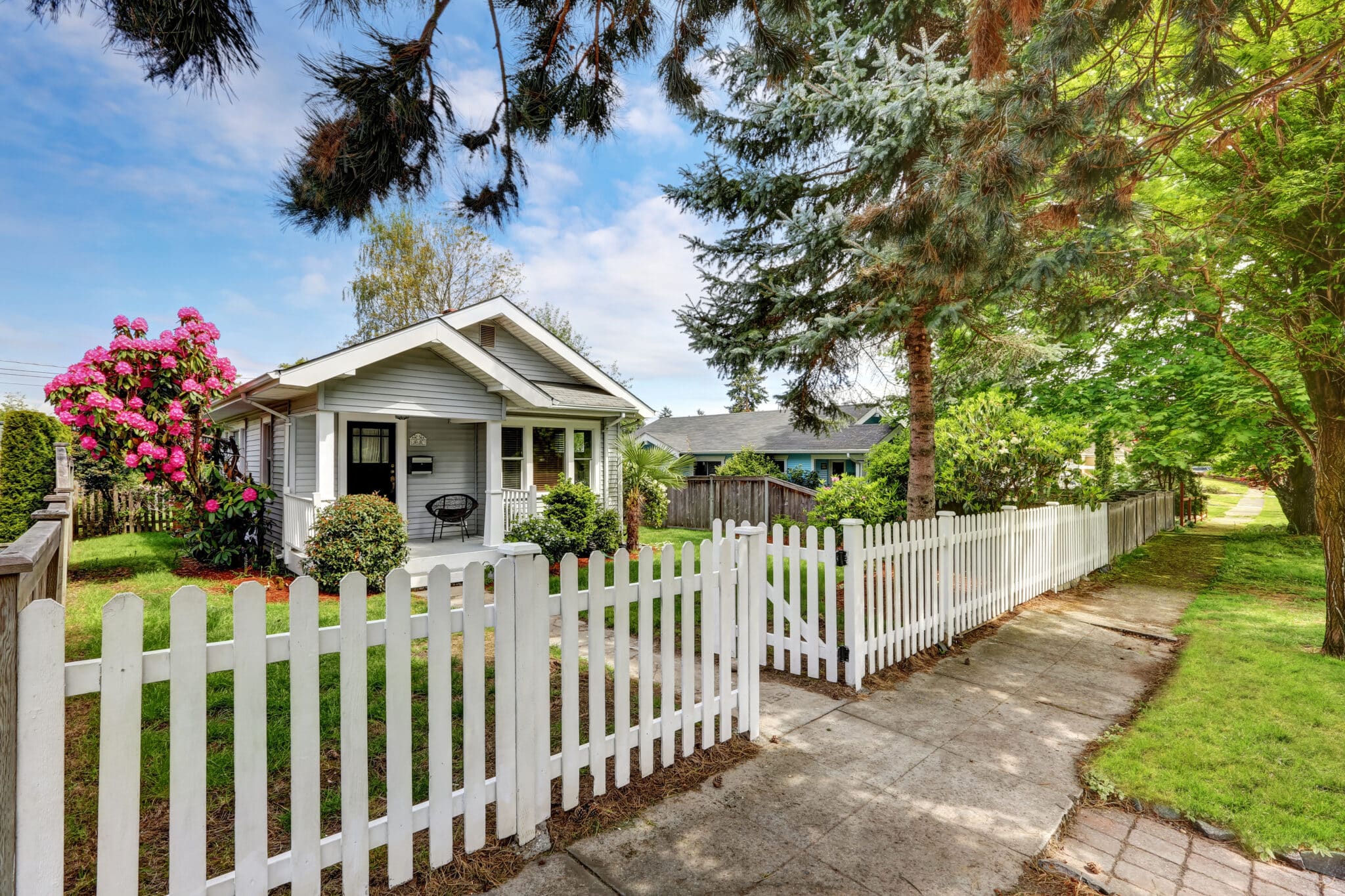
Yes, you can build a fence in many 55+ communities, but you’ll almost always need written HOA approval first. Some communities allow fences only in certain spots, and a few don’t permit them at all.
The deciding factor is your community’s homeowners association (HOA). It helps to understand how a 55+ community HOA works before you plan anything. That governing body has the final say on where a fence can go and what it can look like.
Where a 55+ Community’s Fence Rules Live
Your community’s covenants, conditions, and restrictions (CC&Rs) and its architectural or design guidelines spell out what your fence can and can’t look like, along with any height restrictions. The county records these documents, and they legally bind every owner. Read them closely before you buy or build, because they govern far more than fences.
Why Some Communities Restrict or Ban Fences
Open, fence-free yards aren’t an accident. In many active adult communities, the HOA bundles lawn care, and unbroken yards are simply easier to mow. That’s part of the maintenance-free living many buyers move for.
There’s also the appeal of shared appearance. In its 2022 Homeowner Satisfaction Survey, the Community Associations Institute found that 68% of residents believe their community’s rules protect and enhance property values.
For many buyers, that consistency is a genuine perk. If you’d rather have a fenced yard, it’s a real tradeoff worth weighing before you settle on a community.
Common Fence Rules to Expect
When a community does allow fences, the rules tend to follow a familiar pattern. The specifics vary widely, so treat the table below as a common starting point, not a legal standard. Your CC&Rs and local building code set the real limits.
| Fence Feature | Front Yard (Typical) | Back Yard (Typical) |
|---|---|---|
| Placement | Rarely permitted | Rear or side yards, within setbacks |
| Height | Around 3 to 4 feet, if permitted | Often up to about 6 feet |
| Materials | Limited, decorative styles | Wider range, such as wrought iron or vinyl |
| Color | Neutral, community-approved | Neutral, community-approved |
Beyond height, communities often address a few more details:
- Materials and color, usually limited to approved, neutral options.
- Placement and setbacks that keep fences off shared or common areas.
- A “finished side out” rule so the polished side faces neighbors.
- Ongoing maintenance, which almost always stays the homeowner’s responsibility.
These rules keep the community’s look consistent and upkeep predictable, so a fence that ignores them can trigger a denial or costly redo.
How to Get a Fence Approved
Getting a fence approved runs through the architectural review committee, sometimes called the ARC or ARB. The process is usually straightforward when you follow it in order:
- Submit an application with the fence’s location, dimensions, materials, and color.
- Wait for written approval before you buy materials or break ground.
- Talk with neighbors along any shared property lines to head off disputes.
- Pull any permits your city or county requires.
Skipping this step is a costly mistake. Building without approval can lead to fines or an order to remove the fence at your own expense. It’s the same review path other exterior projects follow, including adding solar panels.
Fences, Pets, and Privacy: The Most Common Reasons People Ask
For most residents, the fence question starts with wanting a safe, enclosed yard for a pet. If you have a four-legged friend, it’s worth sorting out before you fall in love with a home.
Communities handle this in different ways. Some allow rear-yard fencing with approval, some permit only certain fence types, and others skip fences in favor of a shared dog park. Knowing what to expect for pets in a 55+ community helps you plan.
Privacy is the other common driver. Some HOAs allow privacy walls or screening in backyards even when open fencing is limited.
Related Article: A Peek at Privacy Concerns in Active Adult Communities
When the Fair Housing Act Can Change the Answer
Sometimes the answer shifts because of a medical need. If a resident needs a fence because of a disability, such as to contain an assistance animal, federal law can require the HOA to allow it.
Under the Fair Housing Act, refusing to permit “reasonable modifications of existing premises” is unlawful when those modifications are necessary for a person with a disability to fully enjoy the premises, and when the resident covers the cost.
This isn’t automatic approval. It’s a case-by-case reasonableness review, and the cost falls on the resident. The U.S. Department of Housing and Urban Development notes that paying for the modification is the tenant’s or prospective tenant’s responsibility.
Every situation is different, so treat this as background, not legal advice. A fair housing attorney or your community’s management can walk you through a specific request.
What Gives 55+ Communities the Right to Set These Rules?
55+ communities have solid legal footing for these rules. They operate under the Housing for Older Persons Act of 1995, which grants an age-restriction exemption when “at least 80 percent of the occupied units” house at least one resident who is 55 and older, plus published age-verification policies.
Rules like these are common because association living is common. The Foundation for Community Association Research reports that 35.2% of U.S. housing sits within a community association, spread across an estimated 373,000 associations and 78.1 million residents.
So fence rules aren’t unique to your community. They’re the norm across most HOA-governed neighborhoods.
Related Article: Yes, Age-Restricted Communities Are Legal
Questions to Ask Before You Buy
If a fenced yard matters to you, get clear answers before you make an offer. A few questions worth asking:
- Are fences allowed at all, or does the community prohibit them?
- Can you fence the front, the back, or only the rear yard?
- What are the height, material, and color limits?
- Who maintains the fenced area once it’s installed?
- Is there an approval process, and how long does it take?
55places real estate experts specialize in the active adult market and know individual communities’ rules well. They can confirm a specific community’s fence policy before you commit.
Frequently Asked Questions
Can you have a fenced yard in a 55+ community?
Sometimes. Many communities allow rear-yard fencing with HOA approval, while others don’t permit fences at all. Your community’s CC&Rs are the only reliable answer for your specific home.
Why don’t some 55+ communities allow fences?
Often because lawn care is bundled into the HOA and open yards are easier to maintain. An unbroken, uniform look also keeps the community consistent and helps protect property values.
Do you need HOA approval to build a fence in a 55+ community?
Almost always, yes. Submit a plan with your fence’s location, size, materials, and color to the architectural review committee, then wait for written approval before you build.
Can an HOA in a 55+ community make you remove an existing fence?
Yes, if the fence went up without approval or breaks the community’s rules. That can mean fines or an order to remove it at your own expense, which is why getting approval first is always the safer path.
Can an HOA in a 55+ community deny a fence you need for medical reasons?
Not automatically. Under the Fair Housing Act, the HOA must weigh a reasonable modification for a disability case by case, and the resident typically pays.
Find a 55+ Community That Fits Your Plans
Whether a fenced yard is a must-have or just a nice-to-have, knowing a community’s rules before you make an offer saves time and frustration. Our team can help you compare communities and get straight answers about fence policies, HOA guidelines, and everything else that shapes daily life there. Contact 55places.com today!
- Insights and market stats
- Instant new home alerts
- Answers from local 55+ experts