OVERVIEW
Charlotte and Raleigh are both strong North Carolina retirement destinations, but they deliver different lifestyles. Charlotte suits retirees who prefer big-city energy, professional sports, and urban entertainment, while Raleigh appeals to those seeking a quieter, education-driven atmosphere near the Research Triangle. The median list price in a 55+ community is $537,500 in Charlotte and $560,000 in Raleigh, with both cities offering active adult communities, mild climates, and strong health care systems.
If you’re narrowing down your ideal retirement destination in North Carolina, the choice often comes down to two standout cities: Charlotte vs. Raleigh. Both offer strong economies, mild climates, and plenty of amenities, but they deliver different retirement experiences.
In this Charlotte vs Raleigh comparison, we’ll break down the key factors that matter most to retirees. You’ll learn about geography, cost of living, lifestyle, and health care access. Whether you’re an active retiree looking for culture and convenience or someone seeking a quieter pace with access to top-tier services, this guide will help you decide which city aligns best with your goals.
Geography and Population

Charlotte is the largest city in North Carolina and serves as a major financial hub in the Southeast. Its skyline, dense downtown (known as Uptown), and expanding suburbs give it a more metropolitan atmosphere. With a population nearing 900,000 in the city and well over 2 million in the metro area, Charlotte feels like a true big city, complete with traffic and a fast-paced energy.
Raleigh, on the other hand, offers a more balanced and approachable environment. As part of the Research Triangle region (alongside Durham and Chapel Hill), it has a population of just under 500,000, with a metro area that feels less dense and more spread out. Raleigh tends to feel more residential, with tree-lined neighborhoods, greenways, and a slightly slower pace.
For retirees, this distinction matters. If you enjoy the buzz of a larger city with extensive amenities, Charlotte may feel like a natural fit. If you prefer a calmer, more community-oriented setting, Raleigh may be more appealing.
Climate

Both cities experience a humid subtropical climate, meaning warm summers, mild winters, and relatively long growing seasons. However, Raleigh tends to have slightly more seasonal variation. Winters can feel a bit cooler, and the city occasionally sees more noticeable temperature swings.
Charlotte’s climate is often described as a bit milder overall, particularly in winter. Snowfall is rare in both cities, but Charlotte may edge out Raleigh in terms of slightly warmer cold-season temperatures.
Summers in both cities can be hot and humid, with temperatures frequently reaching into the 90s. For active retirees, early mornings and evenings are often the best times for outdoor activities during the summer months.
In short, you won’t find drastic differences in weather between the two, but if you have a strong preference for slightly milder winters, Charlotte may have a small advantage.
Cost of Living

Affordability plays a major role in retirement planning. Both Charlotte and Raleigh offer a reasonable cost of living compared to many larger U.S. cities. According to RentCafe, the cost of living in Charlotte is 3% higher than the state average, and the cost of living in Raleigh is the same as the state average. Both cities typically fall slightly below the national average, making them more affordable than major metros like New York City or San Francisco.
Charlotte Cost of Living
Charlotte’s rapid growth has driven up housing costs, particularly in popular neighborhoods close to Uptown. The median home value in Charlotte is around $408,000. However, the median list price of a home in a 55+ community in the Charlotte area is $537,500, according to data from 55places. The city still offers a range of housing options, from urban condos to suburban single-family homes. Overall, Charlotte tends to be slightly more affordable than Raleigh for housing, though the gap has narrowed in recent years.
Raleigh Cost of Living
Raleigh, fueled by its strong job market and desirability, has seen consistent increases in home prices. The median home value in Raleigh is around $460,000, reflecting higher demand, especially near the Research Triangle Park. However, the median list price of a home in a 55+ community in the Raleigh area is $560,000, according to data from 55places. The competitive housing market has also pushed rental prices higher, with average rents often exceeding Charlotte by a modest margin.
Everyday expenses like groceries, utilities, and transportation are fairly similar in both cities. Data from Numbeo suggests Raleigh may come in about 3–9% lower overall, depending on the neighborhood, though the difference is relatively small.
For retirees comparing Charlotte vs. Raleigh from a financial standpoint, the difference isn’t dramatic. However, Charlotte may offer a slight edge in affordability when it comes to housing.
Culture and Entertainment
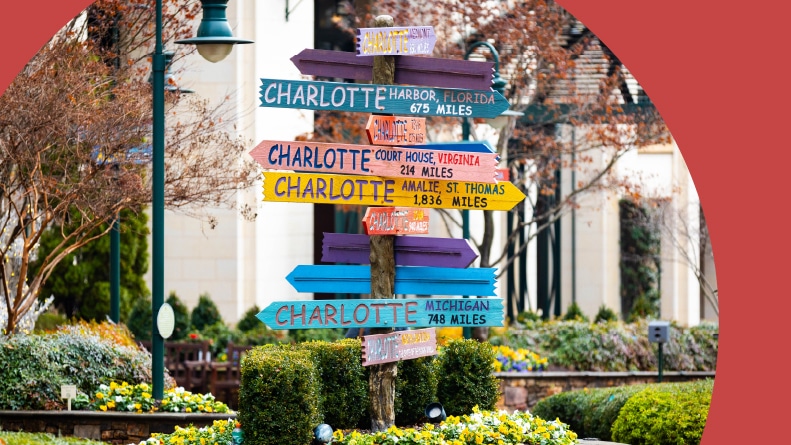
The Charlotte Lifestyle
Charlotte has a more urban, energetic vibe. As a major financial center, it offers professional sports, large-scale events, and a growing dining and nightlife scene. Retirees who enjoy staying active in a lively environment (with concerts, museums, and a steady stream of entertainment) may find Charlotte especially appealing.
The city is home to major league teams such as the Carolina Panthers (NFL), the Charlotte Hornets (NBA), Charlotte FC (Major League Soccer), and the Charlotte Knights. Games and sporting events are primarily held at venues like Bank of America Stadium and Spectrum Center, giving residents frequent opportunities to experience live sports close to home.
Beyond athletics, Charlotte offers a wide variety of performing arts venues and cultural institutions. Popular spots include the Blumenthal Performing Arts Center, which hosts Broadway shows, concerts, and symphony performances, and museums like the Mint Museum Uptown and the NASCAR Hall of Fame.
For day-to-day activities, retirees can enjoy strolling and dining in neighborhoods like Uptown and South End, walking or biking along the Little Sugar Creek Greenway, or attending seasonal festivals, farmers markets, and outdoor concerts. There’s a consistent mix of entertainment options, making it easy to stay socially engaged and active throughout the year.
The Raleigh Lifestyle
Raleigh offers a different kind of cultural experience. As a college town and part of the Research Triangle, it leans more toward education, arts, and community-focused events. The presence of nearby universities contributes to a steady calendar of lectures, performances, and cultural programming.
Museums, galleries, and local festivals are a big part of Raleigh’s identity. Cultural anchors include the North Carolina Museum of Art, known for its expansive park and outdoor installations, The North Carolina Museum of Natural Sciences, one of the largest natural history museums in the Southeast, and the North Carolina Museum of History, which offers exhibits on the state’s heritage. The performing arts scene centers around the Martin Marietta Center for the Performing Arts, which hosts symphony performances, ballet, theater productions, and touring shows.
Local festivals also play a major role in community life. Popular events include the Raleigh Wide Open, which brings live bluegrass performances downtown each fall; the Hopscotch Music Festival, featuring independent music acts across multiple venues; and Artsplosure, an arts festival that showcases local makers and live performances.
With its mix of museums, performing arts, outdoor cultural events, and festivals, Raleigh offers retirees a rich cultural life at a more relaxed pace than larger metros. It’s ideal for those who want consistent opportunities to learn, explore, and stay socially engaged without the bustle of a larger city.
When evaluating Charlotte vs Raleigh for lifestyle, it really comes down to personal preference: Charlotte for big-city energy and entertainment, Raleigh for a more laid-back, intellectually and culturally driven atmosphere.
Health Care and Education

Access to Quality Health Care
Charlotte is home to major health care systems like Atrium Health and Novant Health. These networks provide comprehensive care, including specialty services in cardiology, oncology, and orthopedics. The size and scale of Charlotte’s medical infrastructure make it a strong option for retirees who want access to a wide range of services within a single metro area.
Raleigh also offers excellent health care, anchored by systems such as UNC Health and Duke Health, located nearby in Durham. These institutions are nationally recognized and provide access to cutting-edge treatments and research-driven care.
Lifelong Learning Opportunities
In terms of education, Raleigh stands out for its proximity to major universities in the Research Triangle. While retirees may not be enrolling in degree programs, access to continuing education, cultural events, and university resources can enhance quality of life.
Charlotte also has higher education institutions, but it doesn’t have quite the same concentration or influence as Raleigh’s academic environment.
For retirees prioritizing healthcare access alone, both cities are strong contenders. If you value proximity to top-tier academic medical centers and lifelong learning opportunities, Raleigh may have the edge.
FAQ: Retiring in Charlotte vs Raleigh
Is it cheaper to retire in Charlotte or Raleigh?
Charlotte is slightly more affordable than Raleigh for housing, but both cities fall near or slightly below the national cost-of-living average. Everyday expenses like groceries, utilities, and transportation are comparable, though Raleigh may be 3–9% lower overall, depending on the neighborhood.
Is Charlotte or Raleigh better for retirement?
The better city depends on your lifestyle preferences. Charlotte offers big-city energy with professional sports, a growing dining and nightlife scene, and a .more urban atmosphere. Raleigh offers a more relaxed, community-oriented setting with strong ties to education, arts, and cultural programming. Both cities have mild climates, strong health care systems, and 55+ communities. Charlotte suits retirees drawn to metropolitan amenities; Raleigh suits those who prefer a quieter, intellectually driven pace.
What is the weather like in Charlotte vs. Raleigh?
Both cities have a humid subtropical climate with warm summers, mild winters, and long growing seasons. Charlotte tends to have slightly milder winters overall, while Raleigh sees a bit more seasonal variation with cooler cold-season temperatures. Snowfall is rare in both cities.
Which city has better health care: Charlotte or Raleigh?
Both cities offer excellent health care. Charlotte is home to Atrium Health and Novant Health, which provide comprehensive care including cardiology, oncology, and orthopedic specialties across a large metro network. Raleigh offers access to UNC Health and nearby Duke Health in Durham, both nationally recognized for cutting-edge treatments and research-driven care.
How big is Charlotte compared to Raleigh?
Charlotte is significantly larger than Raleigh. Charlotte’s population nears 900,000 with a metro area exceeding 2 million. Raleigh has a population of just under 500,000, with a metro area that feels less dense and more spread out. For retirees, this means Charlotte offers more urban amenities and entertainment options, while Raleigh provides a calmer, more residential atmosphere with tree-lined neighborhoods and a slower pace.
Are there 55+ communities in Charlotte and Raleigh?
Yes, both cities have active adult communities. The median list price for a home in a 55+ community in the Charlotte area is $537,500, and in Raleigh it’s $560,000, according to 55places data. Both markets offer a range of community types, from urban condos to suburban single-family homes. Retirees in both cities can find communities with resort-style amenities, social programming, and low-maintenance lifestyles.
Is Charlotte or Raleigh more walkable?
Charlotte has a denser urban core, particularly in its Uptown and South End neighborhoods, which offer walkable dining, shopping, and entertainment. The Little Sugar Creek Greenway also provides a popular walking and biking corridor. Raleigh has a more spread-out layout but compensates with an extensive greenway trail system that connects neighborhoods to parks, lakes, and fitness areas. Neither city is as walkable as the most pedestrian-friendly U.S. metros, but both offer pockets of walkability and active outdoor infrastructure that appeal to retirees.
Which city has better sports: Charlotte or Raleigh?
Charlotte has a clear advantage in the variety of professional sports. The city is home to the Carolina Panthers (NFL), Charlotte Hornets (NBA), Charlotte FC (MLS), and the Charlotte Knights (minor league baseball), with frequent games and events at major venues. Raleigh’s professional sports presence is anchored by the Carolina Hurricanes (NHL). For retirees who enjoy attending live sporting events across multiple leagues, Charlotte provides more options and a more active game-day culture.
What are the median home prices in Charlotte vs Raleigh?
The median home value in Charlotte is around $408,000, while Raleigh’s is approximately $460,000. Within 55+ communities, the median list price in Charlotte is $537,500 compared to $560,000 in Raleigh, according to 55places data. Charlotte’s housing costs have risen with the city’s rapid growth, particularly near Uptown, but overall, it remains slightly more affordable than Raleigh.
Is Charlotte or Raleigh better for outdoor activities?
Both cities support an active outdoor lifestyle. Charlotte offers the Little Sugar Creek Greenway for walking and biking, along with parks and access to nearby lakes. Raleigh features an extensive greenway trail system that connects neighborhoods to parks, lakes, and fitness areas. Both cities have hot, humid summers, with early mornings and evenings being the best times for outdoor exercise. Raleigh’s greenway network gives it a slight edge for retirees who want trail access woven into their neighborhood.
Should I choose Charlotte or Raleigh based on my retirement lifestyle?
The Charlotte vs. Raleigh decision comes down to the retirement experience you want. Choose Charlotte if you prefer a larger city with professional sports across multiple leagues, a fast-growing urban entertainment scene, and slightly lower housing costs. Choose Raleigh if you prefer a calmer, more community-oriented setting with strong ties to education, arts, and research-driven health care through the Triangle’s academic institutions. Both cities offer mild climates, 55+ community options, and a cost of living below major U.S. metros. The right choice is the one that feels like home.
Charlotte vs. Raleigh: Find the Retirement Destination That Fits Your Lifestyle
Charlotte offers the advantages of a larger city with more entertainment, slightly lower housing costs, and a fast-growing urban environment. It’s a great fit for retirees who want to stay active, social, and connected to a vibrant city scene.
Raleigh offers a more relaxed, community-oriented experience with strong ties to education, culture, and innovation. It’s ideal for retirees who prefer a quieter pace without sacrificing access to high-quality health care and amenities.
In the end, the Charlotte vs Raleigh decision isn’t about which city is better. It’s about which one feels like home.

- Insights and market stats
- Instant new home alerts
- Answers from local 55+ experts