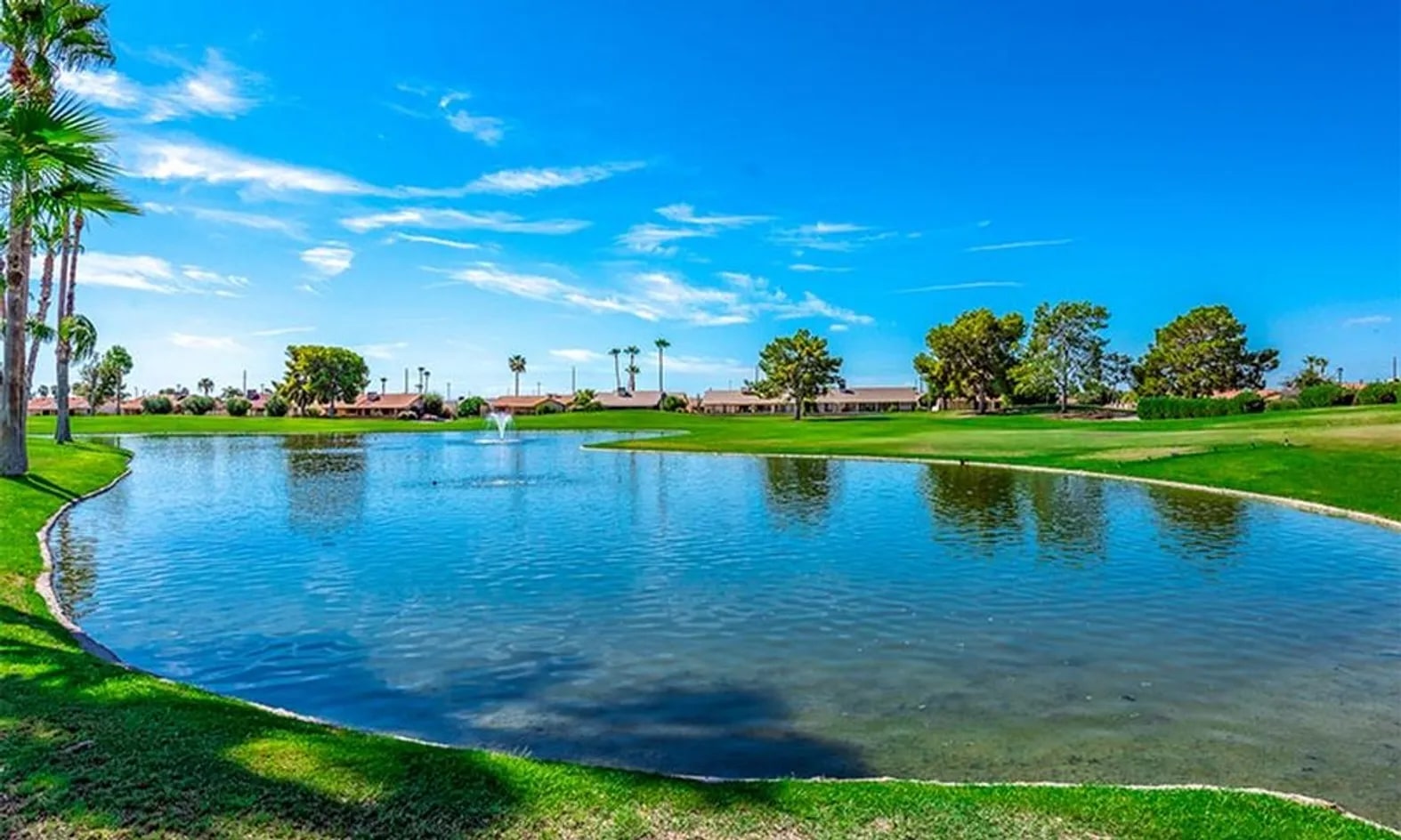
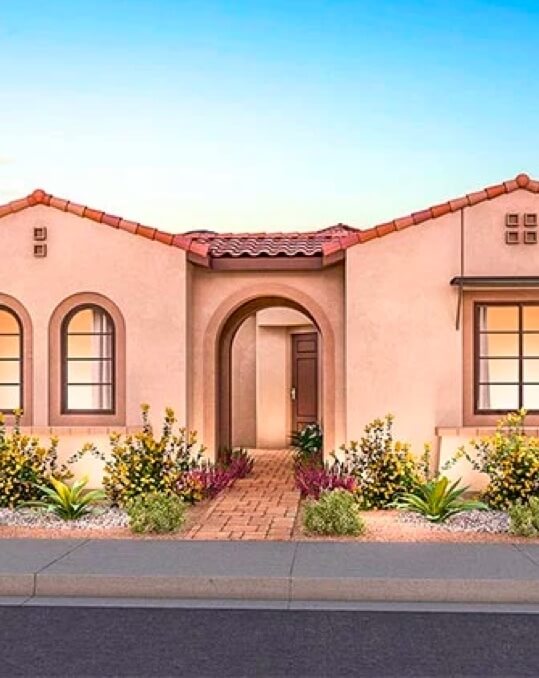
With its mild climate, scenic landscapes, and thriving cities, Arizona remains a top U.S. retirement destination. Many active adults are drawn to the state capital, Phoenix, and the colorful city of Tucson. Both destinations are premiere Arizona retirement hotspots, as well as excellent locations for snowbirds.
Choosing between two of the best Arizona retirement cities is tough. That’s why we’re taking a deep dive into the highlights of Phoenix and Tucson. Our team of retirement real estate experts looks at top amenities alongside practical, day-to-day living considerations. Learn which city has the best trails, check out the pace of life in Phoenix vs. Tucson, and explore your options in this virtual tour of Arizona’s best retirement destinations.
It’s time to discover your new, high-desert home!
Location Is Everything

Phoenix is Arizona’s sprawling capital and the largest city in the state. In fact, it’s the fifth most populated U.S. city. The Phoenix metropolitan area is also known as The Valley of the Sun, part of the Salt River Valley, and the scenic Arizona Sun Corridor. Located in the south-central area of the state, Phoenix sits between Tucson and Flagstaff, surrounded by mountain ranges and the beautiful Sonoran Desert. The McDowell Mountains frame Phoenix to the northeast, while the Superstition Mountains can be spotted on the horizon.
By contrast, Tucson is nearly five times smaller than Phoenix in terms of population but still ranks as the second-largest city in the state. Tucson forms the other cornerstone of the Sun Corridor. The city is 108 miles southeast of Phoenix and just 60 miles north of Mexico. It’s closer to the mountains than Phoenix and offers access to many hiking and biking trails. Tucson is a historic city originally founded in 1775 as a Spanish fort. Today, the city remains a destination rich in culture and heritage.
Each location has its own unique features that we’ll explore in detail as you decide which city is right for you.
How’s the Weather?

Arizona’s mild climate is a big draw for retirees. Sunshine abounds in the Grand Canyon State. The average annual temperature remains around 60 degrees, with mild winters dropping into the 50s. Spring and fall offer ideal weather, while summer is the perfect time to sit poolside and work on your tan.
Although you won’t find a significant temperature difference between the two cities, Tucson tends to be a bit cooler due to the higher elevation. This can be helpful for retirees who enjoy milder summers. Phoenix is warmer on average year-round, while Tucson is more prone to rain. On the downside, Tucson is more affected by the monsoon season, which typically runs from June to September and can bring hail and high winds in mountainous areas.
In addition to being a great year-round retirement option, Phoenix and Tucson are both popular spots for snowbirds looking to escape the cold.
Day-to-Day Like in These Arizona Cities

The Arizona lifestyle is stress-free and community-oriented. Also, a love of the outdoors and a respect for Arizona’s beautiful desert backdrop can be felt throughout the area. So what’s the energy like in Phoenix vs. Tucson, and which destination fits your pace of life? Our real estate experts have taken a pulse check on these two colorful cities and identified the top highlights that make each one unique.
55+ Living in Phoenix
If you’re looking for a lively, metropolitan environment with a touch of natural beauty, Phoenix is the city for you. Tucson, on the other hand, is quieter and more laid-back. It has plenty of natural escapes and more secluded communities to call home. As an added bonus, Tucson ranks above Phoenix for air quality, achieving a “good” ranking 30.9% of the time.
Granville is one of Phoenix’s most sought-after neighborhoods. Offering both single-family and attached homes, this 55+ community features the best that Phoenix has to offer, with great indoor and outdoor amenities. If you prefer a nature-centered retirement community that still offers access to the best of Phoenix’s urban landscape, Ahwatukee Foothills may be the spot for you.
55+ Living in Tucson
When it comes to retirement communities that exemplify Tucson’s charm and outdoor appeal, The Preserve at SaddleBrooke is the ideal spot for an active retiree who enjoys hiking, golf, biking, and othe outdoor recreation. If you’re looking to blend city amenities and natural surroundings, the Mona Lisa Village offers a quiet, gated community near the Foothills Mall, which hosts over 90 name-brand stores.
From the mountains to the fine dining, Arizona’s best cities bring a distinct flavor and energy to everyday life.
Affordability: Which City Is the Most Budget-Friendly?
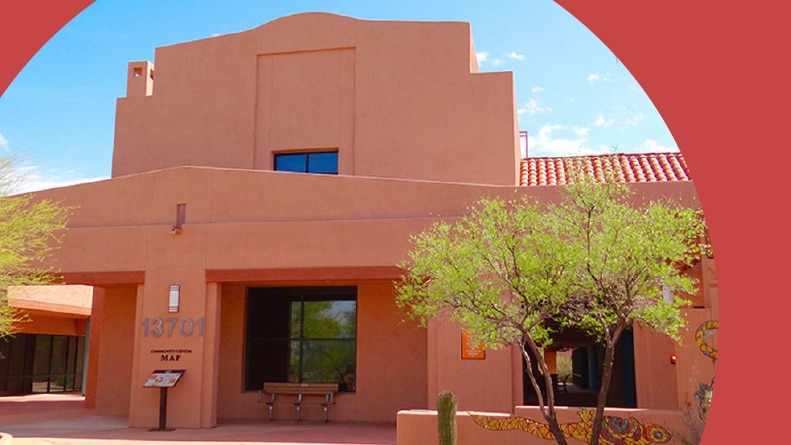
Budget is an important consideration for retirement planning. You want to ensure you’ll be able to afford your dream home in the best 55+ communities in Arizona, with enough left over for your fun budget. Additionally, fixed incomes can make financial planning especially tricky for retirees. Arizona is a state with low retirement income tax (Social Security benefits are exempt) and no estate inheritance tax, making it a fiscally friendly place to settle.
Tucson wins over Phoenix for the most affordable. The cost of living in Tucson is 3% lower than the national average, while Phoenix is 13% higher. Of course, affordable homes can be found throughout both cities.
Budget-Friendly Phoenix Recommendation
Northtown is a welcoming 55+ community in Phoenix, Arizona, offering a quiet neighborhood setting with 281 residences and a low-maintenance lifestyle. Residents enjoy a variety of amenities centered around the community clubhouse, including spaces for arts and crafts, card games, social gatherings, and events. Outdoor amenities feature a pool and patio area for relaxing in the Arizona sunshine.
Located in Maricopa County near shopping, dining, parks, and major roadways, the community provides convenient access to the many attractions and services of the greater Phoenix area. Prices range from the low $200ks to the mid $300ks.
Budget-Friendly Tucson Recommendation
Located in the scenic Rincon Valley and surrounded by views of the Sonoran Desert, Altura offers low-maintenance single-family homes and townhomes along with a variety of amenities. Residents enjoy a community center, fitness facilities, a heated outdoor pool, and scenic hiking trails, as well as access to educational programs and events through the nearby Arizona Senior Academy.
With opportunities for clubs, classes, and group activities, Altura provides an engaging environment for active adults while remaining close to Tucson’s cultural attractions, golf courses, shopping, and dining. Prices range from the low $400ks to the mid $500ks.
Also, Casitas de Castilian boasts affordable living in the heart of Tuscon’s most picturesque neighborhood. This community is worth a visit, as its laid-back appeal draws many residents to this Southwestern gem. Prices range from the low $200ks to the low $300ks.
Health Care, Public Transit, and Beyond

Practical considerations are an important factor in deciding where to retire. Luckily, Phoenix and Tucson are tied for stellar infrastructure. Both cities feature state-of-the-art medical facilities with easy access from the cities’ premier retirement communities. They also offer transportation options, lifelong learning opportunities, and green city initiatives.
Transportation
You’ll find both Phoenix and Tucson to be commuter-friendly. Phoenix features the Valley Metro, which operates both the local bus and light rail 365 days a year. In Tucson, residents can enjoy free public transportation in and around the city. Tucson is also very walkable, particularly along the much-loved downtown strip.
Both Phoenix and Tucson have their own airports for weekend getaways and visitors. The ease of access to a major airport is another reason why these two locations are popular among snowbirds. Shuttle services run frequently to and from both airports, and public transit connects along the various routes for a stress-free experience.
Lifelong Learning
If lifelong learning is a goal of yours, you’ll be pleased to note that both cities have well-acclaimed higher education institutions. The University of Arizona in Tucson offers continuing education opportunities and creative workshops in fields such as art, music, and theater. The University of Phoenix boasts a similar rapport for providing quality education and access to the arts. Both universities offer online and in-person learning opportunities, guest lecturers from around the world, and a diverse student population with a range of ages and backgrounds.
Eco-Friendly Infrastructure
Lastly, Tucson features an extensive bike route network and has made significant strides in eco-friendly infrastructure. Phoenix also boasts many public bike routes, jogging paths, and recreation centers that are kept in top condition by the city. Phoenix has invested in greener city initiatives, including “$16M in tree and shade projects to help reach 200 miles of cool corridors.”
Things to Do in Phoenix and Tucson

As a larger city, Phoenix wins this round—entertainment and cultural attractions abound, along with recreational opportunities. That said, Tucson’s thriving culture is not to be ignored. The smaller city has its own unique appeal and artsy aesthetic.
Top Phoenix Activities
Tour Phoenix’s top museums, including the famed Phoenix Art Museum, or take a step back in time by exploring the area’s rich history. In the summer, there are plenty of spots to kayak, fish, paddleboard, and bird watch. Mild winters mean you can access local trails, jogging paths, and bike routes year-round, as they are well-maintained and extensive. You’ll also find some of the best luxury-brand outlets, as well as fine dining experiences. Concerts and live events, along with an acclaimed performing arts scene, make this area truly one-of-a-kind.
If you’re looking for a community in the heart of it all, Hillcrest is an excellent option. This master-planned neighborhood is centrally located with onsite amenities as well as easy access to the best of Phoenix. Hop on the bus and take a short trip to explore iconic Phoenix locations such as the downtown arts district.
Top Tucson Activities
Tucson offers a more artsy vibe than its southwestern neighbor. One of the annual highlights is the Tucson Jazz Festival. It brings together regional and international artists for a lively celebration of music. You’ll find many art fairs and makers’ markets in Tucson, alongside antique shops, for those who enjoy shopping locally rather than perusing outlets. Of course, Tucson’s biggest draw is the natural escape the city offers. Get out, explore state parks, canyons, and mountain ranges, and enjoy an amazing outdoor playground.
Two communities that best encapsulate Tucson are Casas Del Oro Norte, with resort-style amenities such as a full-service spa and golf course, and beautiful La Cholla Hills. These communities feature regular socials and events for residents to enjoy. You’ll find ample opportunity to connect with others and get a taste of Tucson culture.
Of course, one of the best aspects of living in either Phoenix or Tucson is the close proximity to the other. Drive time between the two cities is just under two hours. That means there’s plenty of opportunity for a weekend visit whenever you’d like a change of pace.
FAQ: Retiring in Phoenix vs. Tucson
Is Phoenix or Tucson better for retirement?
Both Phoenix and Tucson are popular retirement destinations in Arizona. Phoenix offers a larger metropolitan environment with more entertainment, shopping, and dining options, while Tucson provides a quieter pace of life with easy access to outdoor recreation and scenic desert landscapes.
Is it cheaper to retire in Tucson or Phoenix?
In general, Tucson is more affordable than Phoenix. The overall cost of living in Tucson is typically lower, including housing prices, making it appealing to retirees looking to stretch their retirement budget.
What is the biggest difference between living in Phoenix and Tucson?
The main difference is lifestyle and city size. Phoenix is a large, fast-growing metro area with more urban amenities, while Tucson is smaller, more laid-back, and known for its arts, culture, and outdoor recreation.
Does Phoenix or Tucson have better weather for retirees?
Both cities have warm desert climates with mild winters. Tucson tends to be slightly cooler due to its higher elevation, while Phoenix is typically warmer year-round.
Are there more 55+ communities in Phoenix or Tucson?
Phoenix has more 55+ communities because it is a much larger metro area. However, Tucson also offers a variety of active adult communities that appeal to retirees seeking a quieter setting.
Which city is better for outdoor activities: Phoenix or Tucson?
Both cities offer excellent outdoor recreation. Phoenix has many hiking trails, golf courses, and parks, while Tucson is especially known for mountain scenery, desert trails, and access to national parks and preserves.
Which city has better health care for retirees?
Both Phoenix and Tucson have well-regarded hospitals, health systems, and medical specialists. Phoenix has a larger number of facilities due to its size, while Tucson still provides strong health care access for retirees.
How far apart are Phoenix and Tucson?
Phoenix and Tucson are about 108 miles apart. The drive between the two cities typically takes about 1 hour and 45 minutes, making weekend trips between them easy.
Is Phoenix or Tucson better for snowbirds?
Both cities are popular with seasonal residents escaping colder climates. Phoenix tends to attract more snowbirds because of its larger airport, entertainment options, and larger number of retirement communities.
Are there golf communities for retirees in Phoenix and Tucson?
Yes. Both cities offer numerous golf communities within 55+ neighborhoods, providing residents with access to golf courses, clubhouses, and social events.
Which city has more entertainment and cultural activities?
Phoenix generally offers more entertainment options, including major sporting events, museums, concerts, and theaters. Tucson has a strong arts culture as well, with festivals, galleries, and music events throughout the year.
Are there affordable 55+ communities in both Phoenix and Tucson?
Yes. Both cities offer a range of home prices across many active adult communities, allowing buyers to find options that match different budgets and lifestyle preferences.
How can I choose between retiring in Phoenix or Tucson?
The best way to decide is to compare communities, amenities, and home options in both cities. Exploring listings on 55places.com and connecting with a local real estate expert can help you evaluate your options and find the right community for your retirement lifestyle.
Start Your Arizona Retirement Journey
Whether you’re drawn to the energy of Phoenix or the relaxed charm of Tucson, Arizona offers a wide range of communities designed to support an active and fulfilling retirement. Exploring your options is the first step toward finding the place that truly feels like home.
If you’re ready to learn more, we’ll connect you with a local real estate expert. Our experienced partner agents can help you compare communities, explore available homes, and guide you through the process of finding your dream home in Arizona.

- Insights and market stats
- Instant new home alerts
- Answers from local 55+ experts