
HIGHLIGHTS
- Most active adult communities restrict long-term RV, boat, and trailer parking but allow short windows for loading and unloading.
- The rules come from each community’s CC&Rs and HOA regulations, not from age-restriction (HOPA) law.
- Some states, including Florida and Utah, limit what HOAs can restrict in driveways, but with important exceptions and unsettled questions.
- Enforcement usually follows notice, then a hearing, then a fine, then towing, and state law can cap fines.
- Many communities offer or sit near RV and boat storage lots, so a strict rule isn’t always a dealbreaker.
In most active adult communities, everyday cars and pickups park freely in garages and driveways. RVs, boats, trailers, and commercial vehicles are different. They typically face real limits set by the homeowners association (HOA) and spelled out in the community’s governing documents. Most active adult communities regulate five things: resident and driveway parking; guest parking; street and overnight parking; commercial and work vehicles; and RV, boat, and trailer storage.
The good news is that you can learn these rules before signing anything. They vary by community and sometimes by state, and asking the right questions upfront can mean the difference between finding a community that fits and discovering a dealbreaker later.
Common Vehicle and Parking Rules at a Glance
| Vehicle / Situation | Typical Rule | What to Check |
|---|---|---|
| Everyday car/pickup | Usually allowed in garage/driveway | Any street/overnight limits |
| Guest vehicle | Permitted with permit/time limits | Guest-parking area and duration |
| RV / motorhome | Long-term parking usually restricted | Load/unload window; on-site storage |
| Boat/trailer | Often restricted like RVs | Designated storage availability |
| Commercial / work vehicle | Commonly limited or banned | Definition used in the CC&Rs |
Where the Rules Come From: CC&Rs and HOA Governing Documents
Parking and storage rules in active adult communities come from the community’s governing documents, specifically the CC&Rs (Covenants, Conditions, and Restrictions) and any supplemental HOA rules and regulations. These documents outline what residents can and can’t do with their property, including where and how vehicles can be parked, and they sit alongside the broader benefits of an HOA that keep shared spaces consistent.
The Housing for Older Persons Act (HOPA), the federal law that lets communities restrict residency to people 55 and older, doesn’t touch parking. HOPA’s 80/20 Rule governs age eligibility only. Parking, RV, and boat rules are standard HOA matters, structurally identical to any other homeowners association, according to LegalClarity. That means the rules vary from one community to the next, and the only way to know them is to read the documents.
Parking Rules You’ll Typically Find in a 55+ Community
Resident and Driveway Parking
Most communities allow residents to park everyday cars and personal pickups in garages and driveways without issue. Some CC&Rs go further and require that garage space be used for vehicles, not just storage boxes and holiday decorations. The practical effect: if a two-car garage is available, the community may expect both cars parked inside.
Guest Parking
Guest parking policies vary widely. Many communities provide designated guest-parking areas, require visitors to display a permit, and limit how long guests can park, often 24 to 72 hours. Some enforce permit rules strictly, while others are more relaxed. Knowing the guest-parking policy matters if family visits often or stays for extended periods.
Street and Overnight Parking
Street parking is frequently limited or prohibited overnight, especially on private roads within the community. On public streets, local ordinances still apply, but many communities discourage or ban overnight street parking regardless. The distinction between private and public streets can affect what the HOA can enforce, so ask which applies.
Commercial and Work Vehicles
Commercial vehicles are commonly restricted or outright banned from being parked at residences. The key is how the CC&Rs define “commercial.” Some communities draw the line at lettered or wrapped vehicles, while others use state statutory definitions. In Florida, for example, state law distinguishes “commercial motor vehicles” from personal work trucks, and that distinction can determine what’s allowed in the driveway.
RV, Boat, and Trailer Storage Rules
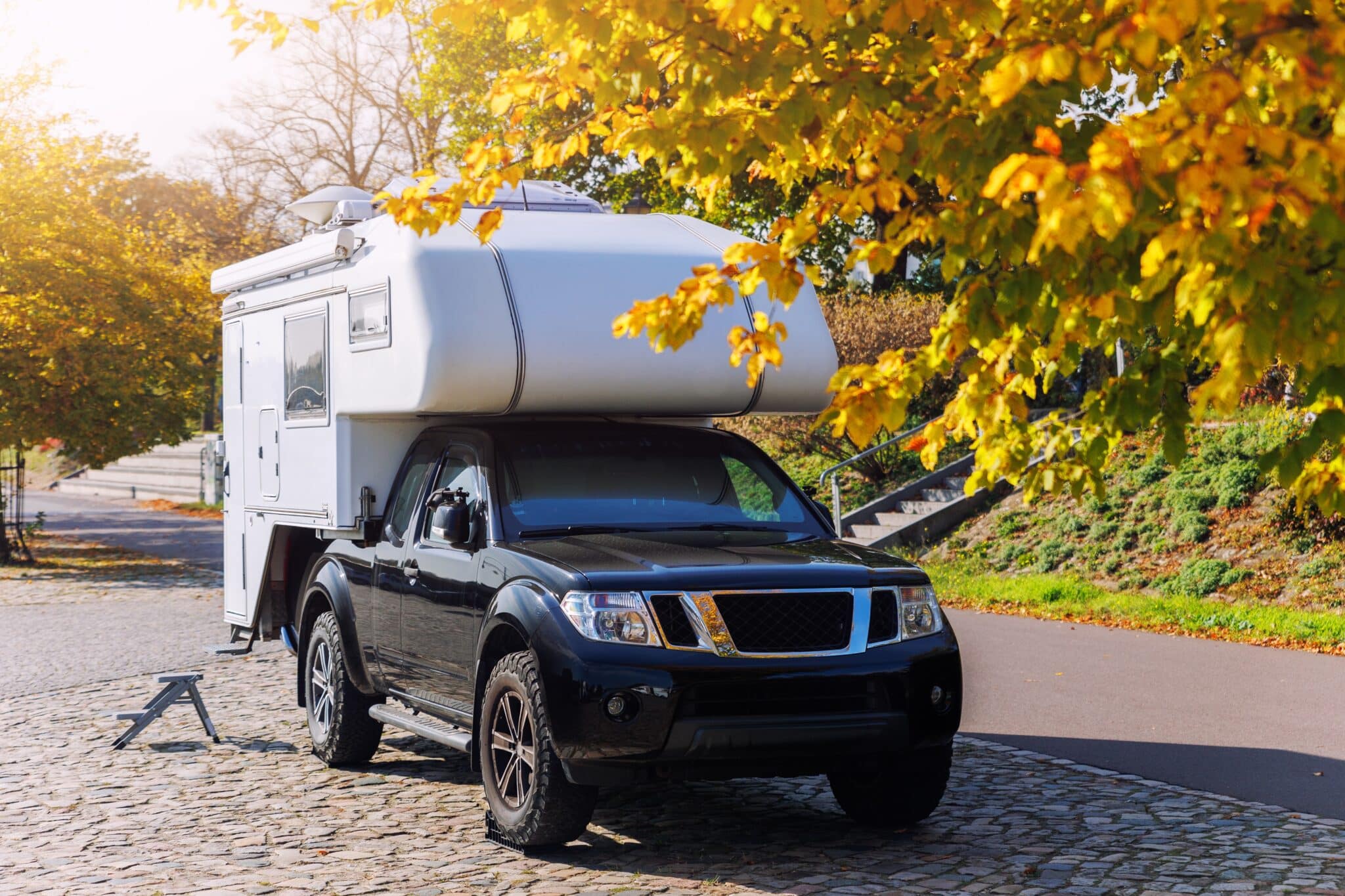
Most HOAs restrict long-term parking for RVs, boats, and trailers, but temporary loading or unloading is typically allowed, as FirstService Residential notes. The specific window varies. Sun City West and Sun City in Arizona, two of the largest and best-known active adult communities in the country, both cap RVs, boats, trailers, campers, and similar vehicles at 72 cumulative hours per calendar month. Under Sun City West’s Recorded CC&Rs, that limit applies community-wide, covering lots, common areas, and public and private streets, not just a residence, and Sun City’s Governing Documents read much the same. Vehicles stored inside a garage are generally exempt, and the community may tow violators at the owner’s expense.
These rules aren’t punitive for their own sake. They’re designed to maintain a consistent streetscape and prevent long-term storage from spilling onto shared spaces. The trade-off is real: If keeping an RV or boat at home matters, a community with a strict 72-hour cap probably isn’t the right fit. But that doesn’t mean the search ends there, because many communities have built-in solutions.
On-Site and Nearby RV and Boat Storage: A Common Workaround
Plenty of active adult communities offer on-site or nearby RV and boat storage lots, turning a potential dealbreaker into a minor logistics question. The Villages in Florida, for example, operates an Official RV Storage Lot with spaces for vehicles ranging from 20 to 50 feet. Pricing runs $42 to $59 per month plus tax, depending on space size and availability.
Not every community has on-site storage, and those that do often have waitlists. Asking about RV and boat storage early, and specifically whether a lot is available and what the permit process looks like, is worth doing before making an offer.
55places community listings flag “R.V./Boat Parking” as an amenity when available, making it easier to filter for communities that accommodate larger vehicles. For buyers who want to narrow the search further, 55places Partner Agents specialize in these markets and know which communities are RV-friendly and which aren’t.
How State Laws Can Affect HOA Parking Rules
Some states have passed laws limiting what HOAs can restrict on an owner’s property, but the details matter, and these protections often don’t reach as far as headlines suggest.
Florida
Florida HB 1203 bars HOAs from prohibiting owners, tenants, or guests from parking a personal vehicle (including a pickup truck) in their driveway, as summarized by law firm Shumaker, Loop & Kendrick. It also protects work vehicles that don’t meet the state’s definition of a “commercial motor vehicle.” However, the law doesn’t expressly name RVs or boats, meaning an HOA may still be able to restrict them. HOAs also retain control over common areas and true commercial vehicles. And whether this law overrides CC&Rs recorded before July 2024 remains legally unsettled, as attorneys at Perez Mayoral explain. Courts generally presume new statutes apply prospectively unless the legislature says otherwise.
Utah
Utah Code 57-8a-218 protects most operable vehicles parked in an owner’s driveway, but the statute explicitly excepts motor homes, recreational-vehicle trailers, and motorboats. That means Utah HOAs can still restrict RVs and boats, even though they can’t restrict everyday cars and pickups.
Other States
In states like Texas, no verified statute protects driveway parking from HOA restrictions. The CC&Rs govern, and the rules depend entirely on what the community’s documents say. Buyers moving from a state with driveway protections to one without them should expect different enforcement.
For specific legal questions, especially in states with recent legislative changes, consulting a community-association attorney is the safest approach.
How 55+ Community Parking Rules Are Enforced
Parking violations in active adult communities typically follow a predictable path. First, the violation is documented, often with photos. Then the homeowner receives a written notice with an opportunity to request a hearing. After that comes a cure period to fix the issue; if the violation continues, fines and eventually towing may follow, but only if the community’s CC&Rs or state law grant that authority.
According to Florida Statutes §720.305, Florida requires HOAs to give at least 14 days’ notice and offer a hearing before an impartial committee. Fines are generally capped at $100 per violation per day and $1,000 in aggregate for a continuing violation unless the governing documents specify otherwise. Other states have different rules, but the general principle holds: enforcement must follow the process laid out in the documents.
Understanding the enforcement process helps avoid surprises. A first-time oversight, such as leaving the RV in the driveway a day too long, usually won’t result in immediate towing. But repeated violations can escalate, and fines add up.
How to Check the Rules Before You Buy
The best time to learn about a community’s parking and storage rules is before signing a purchase agreement. A few steps can clarify what’s allowed:
- Request and read the CC&Rs and current rules and regulations. These documents spell out exactly what’s permitted and what isn’t.
- Ask specifically about RV, boat, and trailer limits. Find out how long vehicles can stay, whether garage parking is exempt, and what happens after the limit is exceeded.
- Ask about guest-parking rules and street or overnight restrictions. Knowing where visitors can park, and for how long, avoids friction later.
- Clarify the commercial-vehicle definition. If the household includes a work truck or lettered van, understanding how the community defines “commercial” is essential.
- Ask whether on-site or nearby RV and boat storage exists. If it does, ask about availability, waitlists, and permit rules.
- Confirm how rules are enforced. Understanding the notice-to-fine process sets expectations.
- Check any state-law nuances with a local expert. Recent legislation in some states may affect what the HOA can enforce in the driveway.
These steps pair well with a broader look at how to Compare 55+ Communities Before Buying, a checklist of What to Look for When Touring a 55+ Community, and the Red Flags to Watch For before making an offer.
Frequently Asked Questions
Can you park an RV or boat in a 55+ community?
Usually not long-term at a residence. Most communities allow only short loading and unloading windows and direct residents to on-site or nearby storage lots.
How long can an RV stay before it violates the rules?
It varies by community. Some, like Sun City West and Sun City in Arizona, cap it at 72 cumulative hours per calendar month, community-wide.
Can the HOA fine or tow my vehicle?
Yes, if the governing documents or state law authorize it, typically after written notice and a hearing.
Can a state law override my HOA’s parking rules?
Sometimes. A few states limit driveway restrictions, but exceptions for RVs and boats and older CC&Rs complicate things, so check with a community-association attorney.
Are parking rules different because it’s a 55+ community?
No. Age-restriction law (HOPA) governs eligibility only. Parking rules are standard CC&R, and HOA matters are identical to any other homeowners association.
Find an Active Adult Community That Fits Your Lifestyle
Whether you’re bringing an RV, a boat, or simply a second car is coming along, knowing the parking and storage rules upfront makes the search much easier. 55places Partner Agents know which communities offer on-site storage and which enforce strict caps. Contact 55places.com today!
- Insights and market stats
- Instant new home alerts
- Answers from local 55+ experts