HIGHLIGHTS
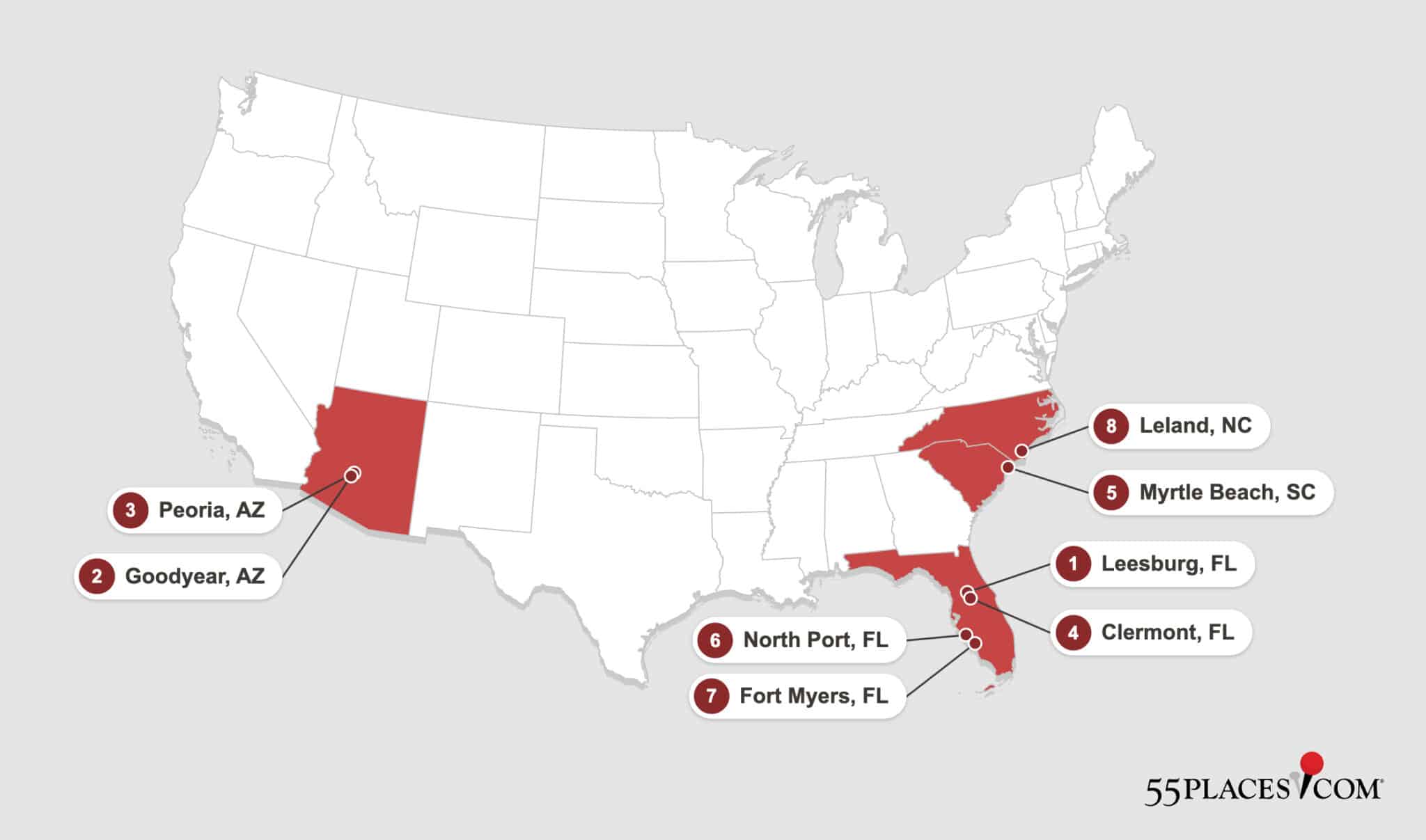
- Tampa’s cost of living is near or slightly below the national average, while Miami’s is about 20% higher, largely because of housing costs.
- The Miami metropolitan area is larger and more internationally oriented, while Tampa offers a generally more affordable Gulf Coast lifestyle.
- Both regions offer access to nationally recognized hospitals, warm weather, beaches, and golf courses.
- Florida has no state individual income tax, so retirement income is not subject to state individual income tax in either city. However, homeowners should budget for property insurance, potential flood coverage, and hurricane-related risks.
Florida continues to be one of the most popular retirement destinations for active adults, and there are many options for retirees interested in moving to the Sunshine State. There are large coastal cities and small inland towns, and buyers can choose a high-rise condo overlooking the water or a single-family home in the middle of horse country. For many retirees, the search narrows to a Tampa vs. Miami decision.
Florida is a large and diverse state, and active adults planning to retire in a major metropolitan area may find themselves choosing between two of its best-known cities: Miami and Tampa. Both offer rich histories, cultural attractions, diverse dining options, shopping, museums, and performing arts venues. Golfers and beachgoers will also find plenty of options in both regions. Residents can enjoy boating, fishing, and other outdoor activities year-round, as well as convenient access to cruise ports.
It’s a hard choice, but deciding between Tampa and Miami for retirement comes down to a few key things worth weighing.
Tampa vs. Miami: What’s the Difference?
Tampa and Miami both offer warm weather, waterfront recreation, and rich cultural scenes, but daily life differs between the two cities. The table below highlights the factors retirees often consider when choosing between them.
| Category | Tampa | Miami |
|---|---|---|
| City population | About 414,000 | About 490,000 |
| Location | Gulf Coast, west-central Florida | Atlantic Coast, southern tip |
| Cost of living | About 3% below the U.S. average | About 20% above the U.S. average |
| Typical home price | Around $441,000 | Around $711,000 |
| Climate | Humid subtropical, calmer Gulf waters | Tropical, warmer winters, Atlantic surf |
| Health care | Tampa General, nationally recognized | UHealth & Jackson Memorial academic centers |
| Beaches | Calm Gulf beaches (Clearwater, St. Pete) | Atlantic beaches (South Beach, Haulover) |
| Lifestyle | Calmer, more affordable pace | Big-city energy, international culture |
Geography and Population
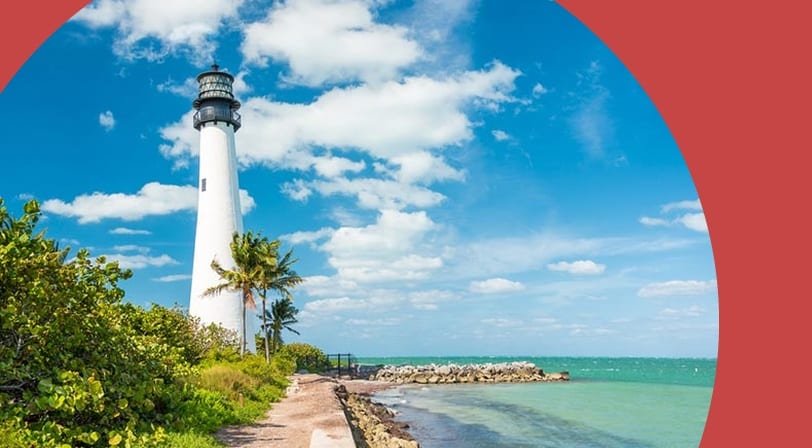
Tampa is home to about 414,000 people, while Miami has roughly 490,000, according to U.S. Census Bureau estimates.
Tampa sits in Hillsborough County on Florida’s Gulf Coast, in the central-western part of the state. Nearby cities include St. Petersburg, Sarasota, and Clearwater. Orlando is also within driving distance, though the trip typically takes more than an hour, depending on traffic and the starting point.
On Florida’s Atlantic Coast, Miami sits in the southeastern part of the state in Miami-Dade County. The city is near Fort Lauderdale and, farther north, West Palm Beach. Miami also serves as a gateway to the Florida Keys.
Tampa and the Tampa Bay area cover a broader geographic area than the city of Miami, but Miami has a larger population than Tampa proper. Jacksonville is Florida’s most populous city, followed by Miami.
Cost of Living
Most active adults retiring in Florida find the cost of living lower than where they moved from. There’s no state income tax, and winter heating bills all but disappear. New residents arriving from the Northeast, the mid-Atlantic, Canada, or the West Coast are often surprised at how little they budget for basic household expenses.
Between the two cities, Tampa is the more affordable choice. As of mid-2026, Tampa’s overall cost of living runs about 3% below the national average, while Miami’s cost of living is roughly 20% above it, according to RentCafe. The gap comes mostly from housing, since groceries, gas, and utilities cost about the same in both cities.
That difference adds up on a fixed income. Average rent is about $2,010 a month in Tampa versus $2,770 in Miami, and typical home prices run around $441,000 in Tampa compared with about $711,000 in Miami. For retirees mapping out how much money they need to retire in Florida, Tampa leaves more room in the monthly budget.
Taxes tilt the same way for everyone in the state. Florida doesn’t tax retirement income at the state level, according to Kiplinger, and that includes Social Security, pensions, and IRA and 401(k) withdrawals. That benefit applies equally in Tampa and Miami, though federal taxes still apply.
Keep in mind that these figures are citywide averages; actual housing costs vary by neighborhood and property type.
Climate and Weather

Both cities offer the warm weather that attracts retirees to Florida, but their climates differ somewhat by region.
- Tampa: Humid subtropical climate, with hot, humid summers, mild winters, and generally warm Gulf waters.
- Miami: Tropical climate, with warmer winters, hot and humid summers, a rainy season, and a relatively drier winter.
Storm season is a real consideration on both coasts. The Tampa Bay area had gone more than a century without a major hurricane making a direct landfall nearby before Hurricanes Helene and Milton brought storm surge, heavy rainfall, and flooding in 2024. The City of Tampa’s vulnerability assessment highlights ongoing flood risks and the need for resilient infrastructure. Miami and the broader South Florida coast also face substantial coastal and inland flood risks.
In either city, planning for hurricanes, reviewing evacuation routes, and accounting for potential flood and property insurance costs are practical steps for prospective residents.
Health Care Access
Access to strong medical care ranks high for anyone choosing where to retire, and both cities deliver.
Tampa General Hospital is consistently recognized among the nation’s leading hospitals. In 2026, Newsweek ranked it among the top three hospitals in Florida and included it on its World’s Best Hospitals list. Miami is served by major academic medical centers, including the University of Miami Health System (UHealth) and Jackson Memorial Hospital. According to RentCafe, its health care cost index is about 18% above the national average in Miami, compared with about 8% in Tampa.
Retirees make up a substantial part of both metro areas. Between 2020 and 2023, the Miami metro area’s population ages 65 and older grew to more than 1.22 million, while the Tampa–St. Petersburg–Clearwater metro area had just under 690,000 residents in that age group, according to U.S. Census Bureau estimates reported by Axios Miami and Axios Tampa Bay. Both regions have major medical centers and services for older adults, although access to specialists and other services varies by location.
Related Article: The Best Places to Retire for Low Costs and Top Medical Care
Culture and Entertainment
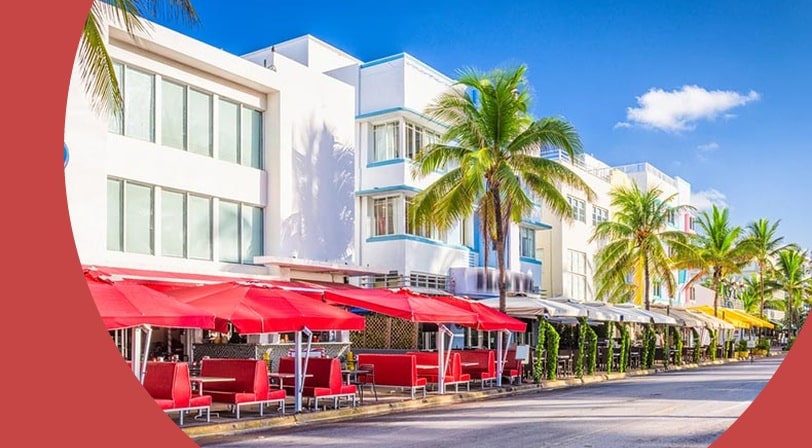
Both Tampa and Miami offer opportunities to enjoy art, music, dancing, and continuing education. Active adults interested in learning salsa or flamenco may find Miami particularly appealing, thanks to its strong Latin American and Caribbean cultural influences. The city’s diverse arts scene includes galleries, museums, live music venues, and cultural events. Neighborhoods such as South Beach, Little Havana, and Coconut Grove offer a range of artistic and entertainment experiences, while Miami’s Haitian, Cuban, and other Caribbean communities contribute to the region’s cultural identity.
The Wynwood Arts District features Miami’s best art galleries, fashion brands, and trendy restaurants. Art Basel is an annual art exhibit with similar shows in Hong Kong and Basel, Switzerland. In South Miami, residents can explore the Fairchild Tropical Botanic Garden.
Tampa has its own artsy vibe and diverse nightlife scene. Popular spots include Ybor, the historic Cuban neighborhood, featuring great Italian restaurants, live music venues, and old cigar factories. Across the bay in St. Petersburg is The Dali Museum.
Beaches and Golf
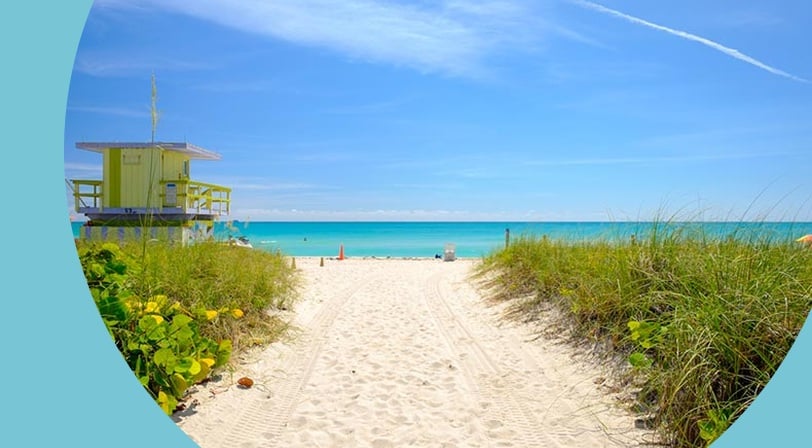
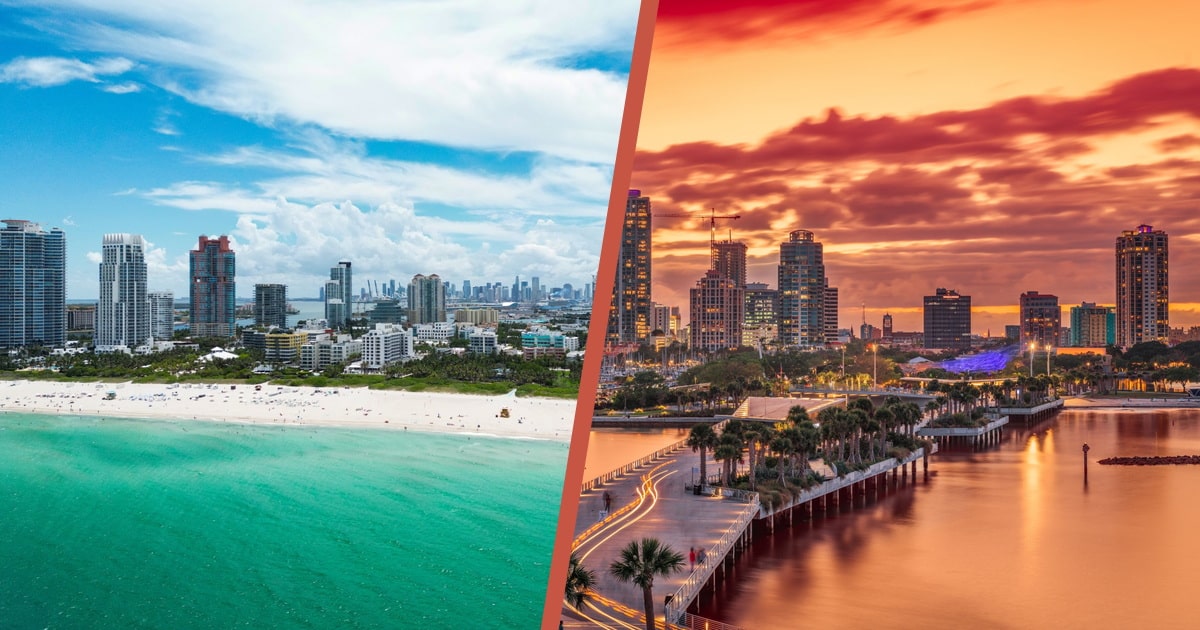
If you plan to spend much of retirement at the beach, both Miami and Tampa offer access to sandy shores and plenty of opportunities for waterfront recreation. Your choice may come down to the beach experience you prefer, from Miami’s Atlantic Coast surf to the Gulf Coast’s often gentler waters around Tampa Bay.
The Atlantic Ocean generally offers stronger waves, and the Miami area has several popular beaches. South Beach often draws large crowds, while Haulover Beach offers another option in Miami-Dade County. Farther north, Jupiter Beach and Boynton Beach provide additional coastal destinations, though they require a drive from Miami.
Around Tampa Bay, Gulf Coast beaches often have gentler waves, although wind and storms can create rough conditions. Popular options on the St. Petersburg side of the metro area include Clearwater Beach, Treasure Island, and Pass-a-Grille.
The beaches in both cities provide plenty of sunbathing, swimming, fishing, and boating. And then there’s golf.
In Tampa, some of the best golf courses are just north and west of the city. Tampa Palms Golf & Country Club has 18 holes of golf designed by Arthur Hill. There’s also Old Memorial Golf Course, a traditional golf course near Tampa International Airport. In Miami, some of the best places to tee off include The Biltmore in Coral Gables and Miami Beach Golf Course, which has been around since 1923.
Transportation and Getting Around

Daily logistics matter more in retirement than they might seem. Miami is denser and busier, so traffic is heavier and parking is tighter, but the trade-off is a more walkable, transit-served core. Tampa is more spread out and car-dependent, which usually means an easier daily drive to run errands.
Both metros offer major airports for visiting family and grandkids, and Tampa International Airport is regularly praised for its ease of use.
55+ Communities and Housing
For many people planning a Florida retirement, the search really starts with the community, not the home. Housing is generally less expensive in Tampa than in Miami, and property values are rising in both cities. Many buyers focus on 55+ communities, where low-maintenance homes come with amenities and a built-in social calendar.
On Florida’s Gulf Coast, active adult communities around Tampa Bay offer a range of price points, from more affordable resale homes to higher-priced new construction. In September 2026, the median listing price for active adult homes was $299,900 in the Tampa market, compared with $316,500 in Southeast Florida, according to 55places market data. Prices vary widely by community, home type, location, and amenities.
Around Tampa, buyers can find gated single-family neighborhoods in popular spots like Sun City Center and Summertree. There are also newer options such as Twin Lakes and well-established favorites like Kings Point, one of the area’s largest 55+ communities.
Buyers who want to be near Miami in Southeast Florida will find condo communities, high-rise buildings, and golf-cart-friendly neighborhoods across Broward and Palm Beach counties. Cities like Boynton Beach and Boca Raton sit close to Miami but offer more space for the money.
One budget consideration for either coast is homeowners insurance, which can be costly across Florida, particularly in South Florida. The Florida Office of Insurance Regulation provides data on the state’s property insurance market. Prospective homeowners should also check a property’s flood risk and determine whether separate flood insurance is needed, since standard homeowners policies generally do not cover flood damage.
The Best Cuban Sandwich

Believe it or not, this rivalry is a real thing.
NPR did a segment on the friendly feud in 2012, and NPR revisited the rivalry in 2019, when a New York Times crossword clue was “city famous for its Cuban sandwiches.”
Your retirement plans probably don’t depend on where to find the best Cuban sandwich, but you’ll need to be ready for the fierce, competitive question of which city can put together the best presentation of ham, roasted pork, Swiss cheese, pickles, and mustard on pressed Cuban bread. Both Miami and Tampa take pride in their Cuban culture and dining scenes.
In Tampa, there’s family-owned The Cuban Sandwich Shop and local favorite La Teresita. Miami offers Las Olas Cafe on Miami Beach and Old’s Havana in the city’s Cuban neighborhood.
By the way, that crossword clue? Its answer was Tampa.
Which Is Right for You: Tampa or Miami?
So, Tampa or Miami? The honest answer is that it depends on what a retirement day is supposed to feel like.
Tampa tends to win for buyers who want to stretch a fixed income. The cost of living sits near the national average, the pace is calmer, and the calm Gulf beaches are a short drive away. It’s a strong fit for a quieter, more budget-friendly routine.
Miami tends to win for buyers who want big-city energy, acclaimed dining, international culture, nightlife, and Atlantic surf. It costs more to live there, but for some retirees the culture and amenities are worth the premium.
Both cities offer warm weather, waterfront recreation, nationally ranked hospitals, and no state tax on retirement income. The right pick comes down to budget, climate preference, and the daily life that fits your preferences.
Frequently asked questions
Is Tampa or Miami better for retirement?
It depends on priorities. Tampa is the more affordable, lower-key choice, with a cost of living near the national average and calm Gulf beaches. Miami costs more but offers a bigger, more international city with Atlantic surf and a deep cultural scene.
Is Tampa cheaper than Miami?
Yes. As of mid-2026, Tampa’s cost of living runs about 3% below the national average, while Miami’s runs roughly 20% above it. The biggest gap is housing: a typical Tampa home costs around $441,000 versus about $711,000 in Miami.
Which has better beaches, Tampa or Miami?
Both are excellent, but they feel different. Tampa’s Gulf beaches, including Clearwater, Treasure Island, and Pass-a-Grille, are calm and family-friendly. Miami’s Atlantic beaches, including South Beach and quieter Haulover, bring bigger waves and a livelier scene.
How do Tampa and Miami compare on weather?
Both are warm and sunny year-round. Miami sits farther south, so winters are a touch warmer, and the climate is more tropical. Tampa has a humid subtropical climate with calmer Gulf waters. Both coasts face hurricane and flood risk worth planning for.
Which Florida city is best for retirees on a budget?
Tampa generally stretches a fixed income further, with lower housing costs and a cost of living near the national average. Gulf Coast communities in Clearwater and New Port Richey can be even more affordable than the city itself.
Find Your 55+ Community in Tampa or Miami
When the list narrows to a neighborhood or two, a 55places real estate expert can help because they specialize in 55+ communities and know individual neighborhoods in both markets well. Contact 55places.com today!
- Insights and market stats
- Instant new home alerts
- Answers from local 55+ experts