OVERVIEW
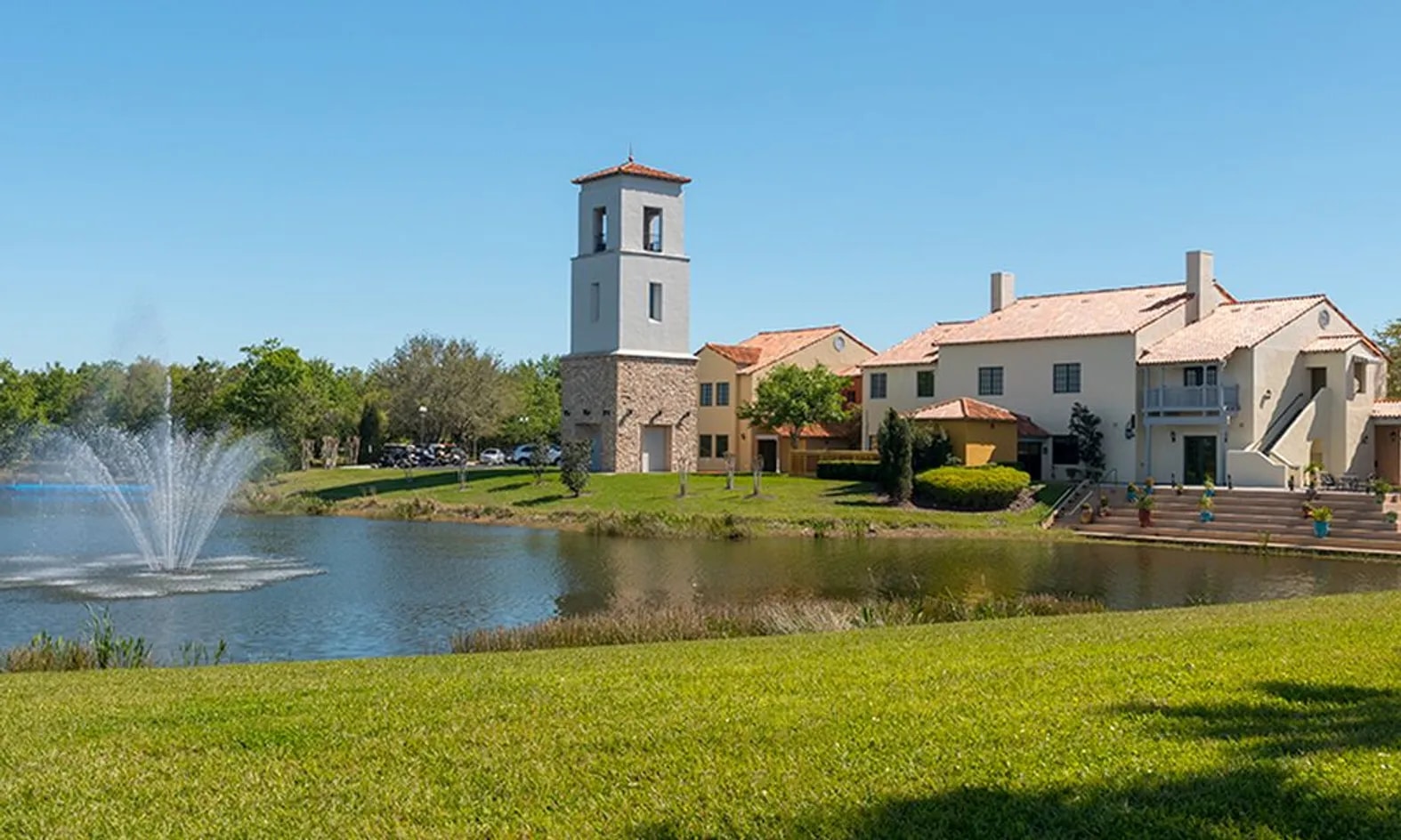
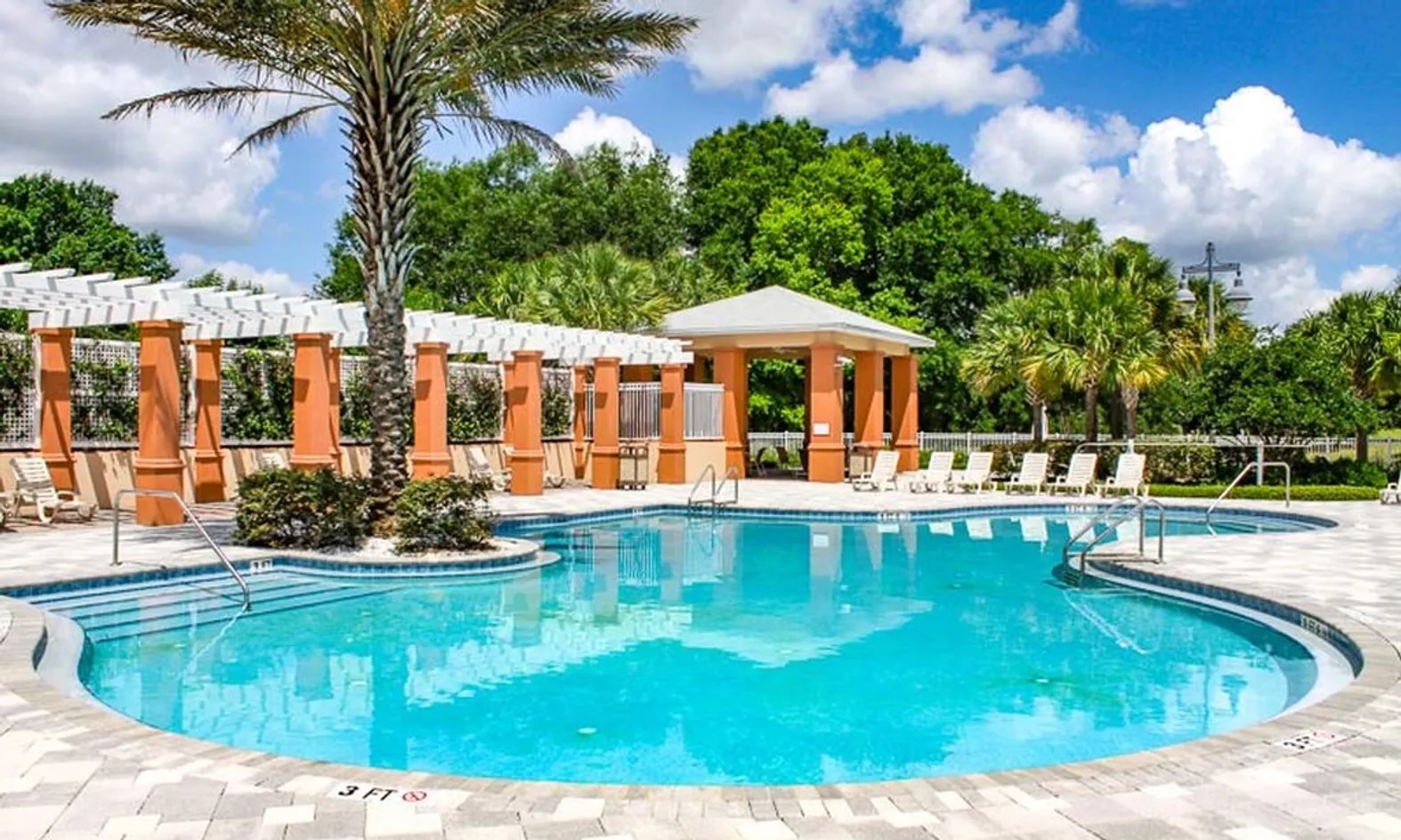
The best snow-free retirement destinations in the United States are Florida’s Gulf Coast, Arizona’s Sonoran Desert, Coastal California, the Texas Gulf Coast, and South Carolina’s Lowcountry. These five regions average zero to less than one inch of annual snowfall and offer established 55+ and active adult communities with resort-style amenities. Notable age-restricted retirement communities in these areas include Pelican Preserve in Fort Myers, Florida, and Sun City Hilton Head in Bluffton, South Carolina.
Most retirees want to spend their time relaxing, not shoveling a driveway or navigating icy sidewalks. But the best snow-free retirement destination needs more than a lack of snow; it needs a vibrant community, accessible health care, and a rich culture. The five regions below offer some of the best places to retire with no snow, each with a distinct climate personality, cost profile, and community landscape.
What Are the Best Places in the U.S. to Retire With No Snow?
Quick answer: The five best snow-free regions for retirement are Florida’s Gulf Coast, Arizona’s Sonoran Desert, Coastal California, the Texas Gulf Coast, and the Carolina Lowcountry. Average annual temperatures range from 60°F in Coastal California to 75°F in Arizona’s desert, with snowfall at or near zero inches in most areas year-round.
Each region offers something different. Florida and Texas combine affordability with warm weather and no state income tax. California delivers the country’s most consistently mild coastal climate at a higher cost. Arizona pioneered the active adult community model and excels in outdoor recreation. The Carolinas offer a cultural depth and Southern character that the Sunbelt states can’t replicate. The right choice depends on budget, lifestyle priorities, and how much heat (or humidity) a retiree is willing to accept.
The Florida Gulf Coast
Average Annual Temperature: 72 – 74°F
Average Annual Snowfall: 0 inches
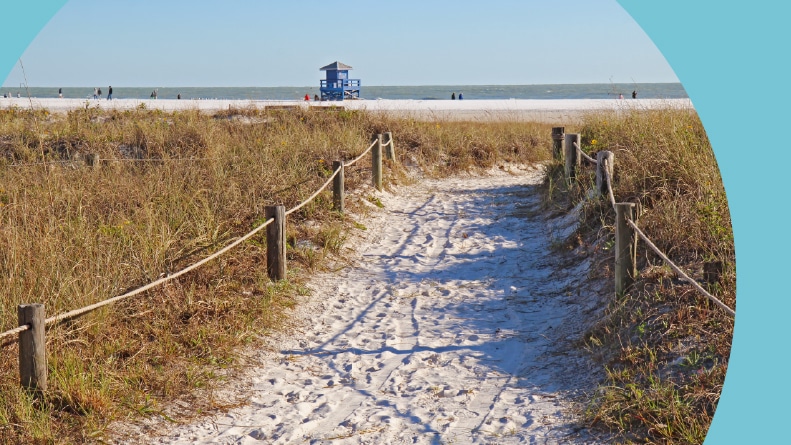
Florida has long been a top destination for snow-averse retirees, and the Gulf Coast, in particular, is a great choice, offering a compelling balance between affordability and quality of life. In cities like Sarasota and Naples, retirees can find both a sophisticated art scene and a laid-back beach culture.
Some of the largest and most well-known 55+ communities on Florida’s Gulf Coast include Pelican Preserve in Fort Myers and Lakewood Ranch near Sarasota. While smaller than the master-planned developments found elsewhere in Florida, these Gulf Coast communities still offer resort-style amenities, active social calendars, and a more intimate feel.
The climate is warm year-round, though those from dry-heat areas may take a while to get used to the high humidity of Floridian summers. However, the lack of a state income tax in Florida will help offset the trade-off.
Arizona’s Sonoran Desert

Average Annual Temperature: 70 – 75°F
Average Annual Snowfall: Less than 1 inch (typically limited to surrounding higher elevations)
Offering a dramatically different take on warm-weather retirement, the desert climate of the Phoenix metropolitan area and Tucson brings abundant sunshine with low humidity. Winters are still very mild, with temperatures averaging in the sixties and seventies, making the area ideal for outdoor activities year-round.
Arizona pioneered the concept of a 55+ community, with the first example appearing in the state way back in 1960. Of course, the state now hosts newer options, with extensive, state-of-the-art amenities. Taking full advantage of the pleasant weather, many communities offer outdoor recreation, including hiking clubs, cycling groups, and golf programs. Speaking of hiking, the Sonoran Desert provides stunning hiking through saguaro forests.
Tucson is particularly appealing to retirees looking for intellectual stimulation to match physical comfort. The University of Arizona creates a college-town feel with lectures, concerts, and sporting events, while several 55+ communities offer partnerships with the campus to provide access to cultural programming.
Coastal California

Average Annual Temperature: 60 – 70°F
Average Annual Snowfall: 0 inches
The California coast, extending from San Diego through Santa Barbara, offers perhaps the most consistently pleasant climate in the country, with temperatures rarely straying far from the seventies. From morning walks along oceanside bluffs to afternoon wine tasting in nearby valleys, the area easily supports year-round outdoor living.
Like Florida’s Gulf Coast, San Diego combines beach culture with sophisticated dining, museums, and a thriving craft beer scene. The city comprises numerous distinct neighborhoods, allowing retirees to find a community that suits their preferred pace. Several 55+ communities in the area offer luxurious resort-style living with coastal proximity.
The caveat here is cost. California has higher housing prices, taxes, and cost of living expenses that make it challenging for those on fixed incomes. However, some retirees find that settling in communities further inland or accepting smaller living spaces is a fair exchange for the fabulous cultures and climate on offer in the Golden State.
The Texas Gulf Coast
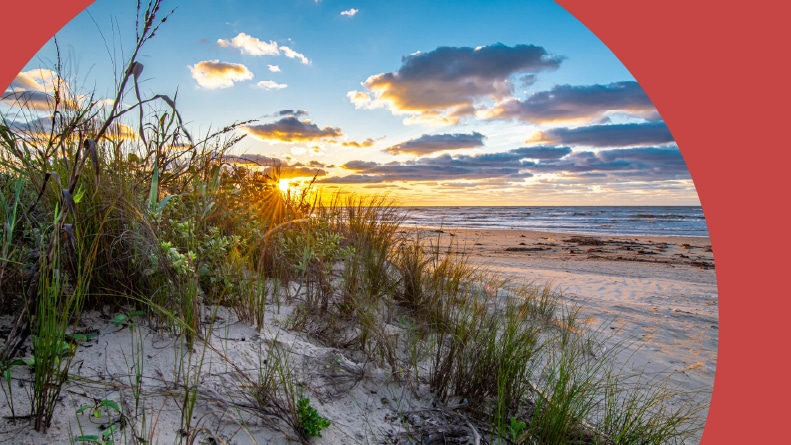
Average Annual Temperature: 70 – 73°F
Average Annual Snowfall: 0 inches
For warm weather at a fraction of California’s cost, many retirees look to the Texas coastline. The area around Corpus Christi and the Rio Grande Valley offers winter temperatures ranging from the fifties to the seventies, attracting a large number of seasonal snowbirds who seek to escape the colder weather of their northern homes. Similarly, many retirees choose to make the area their permanent new home.
The offerings for 55+ communities in the area are diverse. The Rio Grande Valley has fewer traditional offerings, such as RV resort communities with activity centers, pools, and organized social programming at affordable prices. There’s also a large selection of conventional 55+ developments in the Houston and San Antonio areas that bring the proven adult-living model to the Texas market.
The culture in the area blends Texan and Mexican influences, creating a distinctive cuisine, music, and community experience that retirees can’t get anywhere else. Retirees who enjoy birding will particularly enjoy the Valley’s position along major migratory flyways, and many communities organize outings to the most recommended sanctuaries. Like Florida, Texas has no state income tax, which combines with the affordable property costs to create an attractive region for retirees on a budget.
The Carolina Lowcountry
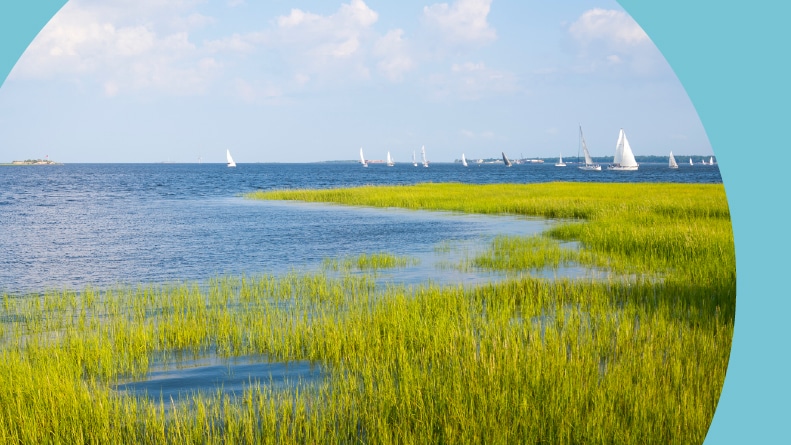
Average Annual Temperature: 65 – 68°F
Average Annual Snowfall: Less than 1 inch (light snowfall every few years)
Charleston, South Carolina, and the surrounding areas have reasonably warm weather, with winters typically in the fifties and sixties, while offering a distinctly southern character to retirees. Although it does occasionally snow in the area, it’s only a light dusting every few years. Charleston’s historic architecture, acclaimed restaurant scene, and active arts community rival the culture of any other city in the country.
The Lowcountry has experienced significant growth in 55+ community development over the past decade. Communities in Sun City Hilton Head offer an impressive list of amenities in a unique setting of tidal marshes and mature trees. Options closer to Charleston offer modern floor plans with wide doorways and accessible bathrooms.
The nearby beaches of Kiawah, Seabrook, and Sullivan’s Island offer quieter alternatives to Florida’s more developed coastline. It’s common for 55+ communities to organize trips to these islands and to the many museums, theaters, and festivals in Charleston.
FAQ: Best Places to Live With No Snow
What are the best places to live in the U.S. with no snow?
Some of the best snow-free places to live include Florida, southern Arizona, coastal California, the Texas Gulf Coast, and parts of the Carolinas where snowfall is rare or nonexistent.
Are there states in the U.S. that never get snow?
While no state is completely snow-free, states like Florida and Hawaii experience virtually no snowfall in most populated areas.
Is Florida the best place to retire if you hate snow?
Florida is one of the most popular choices for snow-averse retirees due to its warm climate, lack of state income tax, and abundance of 55+ communities.
What is the warmest place in the U.S. to live year-round with no snow?
South Florida, the Rio Grande Valley in Texas, and coastal Southern California are among the warmest year-round areas with little to no snow.
Do coastal areas in the U.S. without snow have higher costs of living?
Often, yes. Coastal California and parts of Florida tend to have higher housing and living costs than inland, snow-free regions.
Are there 55+ communities in snow-free regions in the U.S.?
Snow-free regions are home to hundreds of 55+ communities offering low-maintenance living, amenities, and active social lifestyles.
Do snow-free areas in the U.S. still have seasons?
Yes, many snow-free areas still experience seasonal changes, though winters are mild and summers can be hot depending on the region.
Is California a good snow-free option for retirees?
California offers excellent weather and cultural opportunities, but higher taxes and housing costs may be a challenge for retirees on fixed incomes.
Does Texas get snow near the coast?
Snow is extremely rare along the Texas Gulf Coast, making it a popular winter destination for snowbirds and retirees.
How do I choose the best snow-free place to retire?
The best choice depends on budget, climate preferences, access to health care, lifestyle amenities, and whether you prefer coastal, desert, or urban environments.
How Do You Choose the Best Snow-Free Place to Retire Based on Budget and Lifestyle?
Quick answer: Choosing the right snow-free retirement region comes down to five factors: budget, climate preference (dry heat vs. humidity vs. mild coastal), cultural priorities, access to health care, and proximity to family. Florida and Texas offer the strongest affordability; California offers the mildest climate; Arizona leads in active-adult infrastructure; and the Carolinas offer the most cultural depth.
A side-by-side comparison helps clarify the trade-offs. Florida and Texas share a no-income-tax advantage and warm temperatures, but Florida’s humidity compared with Texas’s dry Gulf Coast climate is a meaningful distinction. Arizona’s low humidity competes with Florida’s warmth, but without ocean access. California delivers on climate and culture at a cost premium that no other region approaches. The Carolinas sit in the middle—warmer than the Northeast, cooler than Florida, and richer in historical character than any Sun Belt competitor.
Once a region feels right, the next step is finding the community that matches your lifestyle. Contact 55places.com for personalized support. Our team can connect you with a local real estate expert who can help you compare options, schedule tours, and find the right fit.

- Insights and market stats
- Instant new home alerts
- Answers from local 55+ experts