OVERVIEW
Buyers should plan on five inspections before closing on a retirement home: a standard inspection ($296 to $424), radon testing (about $250), a termite or Wood-Destroying Organism (WDO) inspection (about $125), a sewer scope, and an aging-in-place review. New construction calls for a pre-drywall check, a final walk-through, and an 11-month warranty inspection instead. Condos limit inspection to the interior space the owner controls.
Before buying a retirement home, plan on five inspections: a standard inspection, radon testing, a termite inspection, a sewer scope, and an aging-in-place review. New-construction and condo purchases call for phased or limited inspections that work a little differently. The right mix depends on the home’s age, the community, and how long you plan to stay. It’s worth deciding early, since a retirement home is often the last one you’ll buy, and many buyers are on a fixed income, where a surprise repair can crowd out travel, hobbies, or savings.
Each added inspection costs money and can slow the deal down, but weighing the pros and cons of a home inspection makes clear that a few hundred dollars now is a small price against a five-figure surprise later, especially on a home you plan to keep for 20 or 30 years. Knowing your true costs upfront makes retirement budgeting easier.
What Does a Standard Home Inspection Cover?
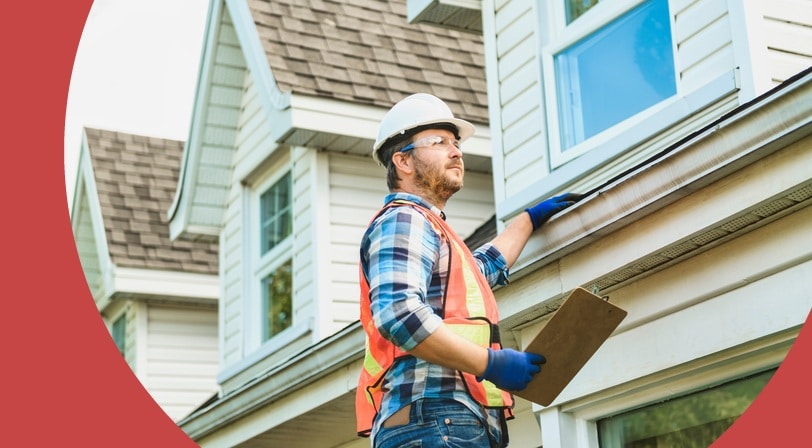
A home inspection is a visual, top-to-bottom review of a house by a licensed inspector, who reports what’s working, what’s worn, and what needs attention. It usually takes two to four hours, and it’s worth walking along. Seeing a worn water heater in person lands differently than reading about it in a report.
Inspectors typically check:
- The roof and how many years of use remain
- The foundation and structure, including cracks or settling
- Electrical panels, wiring, and outlets
- Plumbing supply lines, drains, and water pressure
- The HVAC system and the water heater’s age
- Exterior siding, grading, and drainage
- The attic, insulation, and ventilation
- Built-in appliances included in the sale
On a resale home, the real question isn’t only whether a system works today. It’s how many years are left on the roof, furnace, and water heater, since those are the repairs that hit hardest right after you move in. Ask the inspector to note the age of each big-ticket system, not just its condition. A furnace that runs fine at 18 years old may still need replacing soon, and knowing that lets you plan the expense instead of getting blindsided by it.
Which Specialty Inspections Are Worth Adding?

A standard inspection is visual and general, so it can miss problems hidden in the ground, the walls, or the air. Targeted add-ons fill those gaps and matter most on homes with real wear and history. Match the add-on to the house rather than ordering every test on every property: a home with big, mature trees calls for a sewer scope, and a past leak points toward a mold check.
According to Angi, the average home inspection costs $344, ranging from $296 to $424. Specialty add-ons cost extra, so budget for them before you make an offer.
| Inspection | What It Checks | When to Get It | Ballpark Cost |
|---|---|---|---|
| Radon test | Radon gas levels inside the home | Any home, any region | ~$250 |
| Termite / WDO | Termites, carpenter ants, moisture damage | Warm climates and wooded lots | ~$125 |
| Sewer scope | Cracks, roots, and blockages in the main line | Resale homes with mature trees | Quote from provider |
| Mold | Hidden mold and moisture intrusion | Homes with past leaks or musty odors | ~$660 |
| Foundation | Structural movement and settling | Visible cracks or sloping floors | ~$600 |
Radon Testing
Radon is an invisible, odorless gas that seeps up from the soil into homes. The EPA estimates it’s the leading cause of lung cancer among non-smokers, and reports that nearly one in 15 U.S. homes has a radon level that should be reduced. You can’t see or smell it, so testing is the only way to know. If a test comes back high, the fix is usually a mitigation system that vents the gas outside. It’s a manageable cost, and knowing the number before you buy lets you fold it into your offer.
Termite and Wood-Destroying Organism (WDO) Inspection
A WDO inspection looks for termites, carpenter ants, and the moisture damage they leave behind. That damage grows quietly, so early detection protects the structure you’re counting on. This matters most in warm retirement states, where termites stay active longer, and the inspection is inexpensive next to the repairs it can prevent.
In many areas, a lender already requires a WDO report before closing. Even where no one requires it, the report gives you a written record and a starting point for treatment if pests turn up.
Sewer Scope and Major Systems
A sewer scope sends a camera down the main sewer line to check for cracks, roots, and blockages. Resale homes with mature trees are the most likely to have roots invading pipes laid decades ago, and a sewer line repair can run into the thousands. Catching it before closing keeps that cost from becoming yours. While you’re at it, ask the inspector to flag the age of the roof, HVAC, and water heater. Grouping these into one conversation gives you a clear replacement timeline for your first few years in the home.
What Is an Aging-in-Place Inspection?

An aging-in-place inspection reviews how well a home will work as your needs change over time: single-level living, doorway and hallway width, curbless showers, grab-bar readiness, lighting, and threshold trip hazards. Small features like a step-free entry, a main-floor bedroom and full bath, and lever door handles make daily life smoother as the years go on, but they’re easy to overlook during a standard walkthrough.
Most people want to stay put: the University of Michigan National Poll on Healthy Aging found that 88% of adults ages 50 to 80 feel it’s important to remain in their homes for as long as possible. But few homes are ready for it. The U.S. Census Bureau found only 40% of U.S. homes have the most basic aging-ready features. That gap is the whole point of this inspection: features that make daily life easier later are hard and costly to add after you move in.
The CDC reports falls among adults 65+ caused over 38,000 deaths in 2021, the leading cause of injury death for that group. Homes designed for this stage lower that risk from day one, which is one reason many buyers gravitate toward single-story, low-maintenance homes, where fewer stairs and simpler upkeep remove hazards before they appear.
If a home you love isn’t fully ready, the inspection still helps. It gives you a punch list and a rough cost for changes like a walk-in shower or added grab bars, so you can decide with open eyes. Use our aging-in-place checklist alongside the inspector’s report to compare what the home already has against what it might need.
How Do Inspections Work in a 55+ Community?

Buying inside an active adult community changes what you inspect and who fixes what. The home is still yours to check, but the association handles pieces you might expect to own. Because active adult communities vary widely in type, the line between owner and association responsibility shifts from one community to the next.
Know What the HOA Maintains
In many 55+ communities, the homeowners association (HOA) maintains the roof, siding, and landscaping, which changes how you read your inspection report: some findings won’t be yours to fix. Ask for a clear breakdown of exterior versus interior responsibility before you buy. A worn roof on a lawn-maintained home may be a community expense, while the same finding on a single-family lot lands squarely on you. Reviewing the association’s documents shows you what an HOA typically covers, so you can aim your budget at what’s truly your responsibility.
New Construction Homes
New builds still need inspections, even with a builder warranty, and pairing them with general tips for buying a new construction home can help you catch more than just the physical issues. Schedule three: a pre-drywall inspection before the walls close up, a final walk-through at completion, and an 11-month inspection before the first-year warranty ends. The 11-month inspection is the one buyers forget most. Booking it a month before the warranty expires gives the builder a documented list to fix while the work is still free.
New construction offers newer systems and fewer immediate repairs, while a resale home may offer mature landscaping and a settled community. Comparing new construction or resale early helps you plan the right inspections for each.
Condos and Attached Homes
A condo, villa, or townhome inspection covers what you own and control, mostly the interior. Shared roofs, party walls, and shared systems fall to the association, so the inspector often can’t fully access them. That’s why the association’s maintenance records and reserve study matter as much as the inspection itself: together they tell you whether the shared parts are well funded, protecting you from surprise assessments later.
The tradeoff is worth naming. Attached homes hand off big exterior repairs to the association, a real relief even if you give up some say over timing. For many buyers, that tradeoff is the whole point of choosing a condo over a single-family home.
How Should You Use Your Inspection Results?

An inspection isn’t pass-or-fail. It’s information, and your job is to sort what you learn into what’s urgent and what can wait. Read the report the same day if you can, while the walkthrough is fresh. Most reports flag items by severity, so use that ranking as your starting point rather than reacting to the sheer length of the list.
Start with safety and big-ticket items: structure, roof, electrical, and major systems. Those are the findings worth negotiating a repair or credit on before you close. Cosmetic items like a dated backsplash or a squeaky door rarely belong in a negotiation. Save your requests for what affects safety, cost, or livability, and you’ll come across as reasonable rather than nitpicky.
For a buyer on a fixed budget, this step is really about avoiding a money pit. A clear-eyed report helps you walk away from the wrong house, or buy the right one with confidence.
FAQ: Home Inspections for a Retirement Home
What are the most important things checked in a home inspection?
The most important things checked are the systems that cost the most to fix: roof, foundation, electrical, plumbing, and HVAC. Problems in these areas carry the biggest price tags and the most safety risk.
What is the biggest red flag in a home inspection?
The biggest red flags are major structural or foundation problems, widespread water damage, and major systems near the end of their life. Any of these can mean high, immediate costs, so they deserve a hard second look before you commit.
How much does a home inspection cost?
The buyer usually pays for the inspection, and a standard one typically runs a few hundred dollars. Specialty add-ons like radon, termite, sewer scope, and mold testing cost extra, so budget for the ones your home needs.
Do I need an aging-in-place inspection?
If this is the home you plan to stay in for years, an aging-in-place inspection is worth it. You can add it to a standard inspection or book it separately, depending on how detailed you want to get.
Are inspections different for new construction or a condo?
Yes. New-construction homes use phased inspections: pre-drywall, final walk-through, and an 11-month warranty check. Condo inspections are limited to what the owner controls, not the shared systems the association maintains.
What is a sewer scope inspection, and do I need one?
A sewer scope sends a camera down the main sewer line to check for cracks, roots, and blockages before you buy. It’s worth adding on any resale home with mature trees nearby, since roots are the most common cause of line damage. A repair can run into the thousands, so the scope typically costs far less than the risk it rules out.
How long does a home inspection take?
A standard home inspection usually takes two to four hours, depending on the home’s size and condition. Specialty add-ons like a sewer scope or radon test are scheduled separately and may add an extra hour, or return a lab result days later. Plan to attend if you can, since seeing an issue in person often changes how you think about it.
Is a home inspection worth it on a retirement home?
Yes, a home inspection is worth it even on a retirement home you plan to keep for decades. A standard inspection costs a few hundred dollars against a potential five-figure repair, and for a buyer on a fixed income, that gap matters more, not less. Skipping it to save money upfront is one of the more common mistakes buyers make at this stage.
What does a WDO inspection check For?
A Wood-Destroying Organism (WDO) inspection checks for termites, carpenter ants, and the moisture damage they cause. It matters most in warm climates, where these pests stay active year-round, and many lenders already require a WDO report before closing. Even where it’s not required, the report gives you a documented starting point if treatment is needed later.
Is radon testing necessary in every state?
Yes, radon testing is worth doing in any state, since radon levels depend on local soil and geology rather than climate. Nearly one in 15 U.S. homes has a radon level that should be reduced, and the gas is odorless and invisible, so testing is the only way to know your home’s level. A test costs around $250, and a mitigation system can be installed if the level comes back high.
What happens during an 11-month warranty inspection on new construction?
An 11-month inspection reviews a new-construction home right before its first-year builder warranty expires. Booking it a month early gives the inspector time to document issues and the builder time to fix them while repairs are still free. This is the inspection buyers forget most often, and skipping it means covering any warranty-eligible repairs out of pocket later.
Who pays for repairs found during a home inspection?
There’s no fixed rule. Repairs found during inspection are typically negotiated between buyer and seller after the report comes back, with safety and big-ticket items like the roof, foundation, or electrical system worth negotiating a credit or repair on. Cosmetic issues rarely justify a renegotiation and can make a buyer’s request look unreasonable.
What’s the difference between a home inspection and a home appraisal?
A home inspection evaluates the condition of a home’s systems and structure, while an appraisal estimates the home’s market value for the lender. Inspections are optional and paid for by the buyer to inform a purchase decision; appraisals are typically required by the lender to approve a mortgage. The two reports serve different purposes and rarely overlap in what they cover.
Do condos need the same inspection as single-family homes?
No, a condo inspection is more limited than a single-family home inspection, since it typically covers only the interior space the owner controls. Shared roofs, party walls, and building systems fall to the HOA, so reviewing the association’s maintenance records and reserve study matters as much as the inspection itself. Skipping that document review is a common gap in condo purchases.
How do I find a qualified home inspector for a retirement home?
Look for a licensed inspector with experience in the home’s age, type, and location, whether that’s a resale property with decades of wear or new construction in a 55+ community. Ask whether they’ll walk the property with you and how quickly you’ll receive the written report. Connecting with a local real estate expert who works in active adult communities is often the fastest way to get a trusted referral.
Ready to Find the Right Home for What’s Next?
The right mix of inspections gives you a clear, honest picture of a retirement home before you commit, whether you’re eyeing a resale, new construction, or a condo in a 55+ community. Connect with a local real estate expert who knows the inspection quirks of active adult communities in your target area. Contact 55places.com today!
- Insights and market stats
- Instant new home alerts
- Answers from local 55+ experts