OVERVIEW
According to the AARP Livability Index Top 100, the most livable U.S. cities for retirees are concentrated in the Pacific Northwest, Northeast, and Upper Midwest. Top-ranked cities include San Francisco, California; Seattle, Washington; Boston, Massachusetts; Portland, Oregon; and Boulder, Colorado, as well as suburbs of New York City and Washington, D.C. The index scores cities across seven categories: housing, transportation, neighborhood, health, environment, engagement, and opportunity.
Livability describes how factors such as infrastructure, community engagement, the environment, and local culture contribute to the well-being of residents in a particular city or region. Active adults searching for a retirement destination may find that the most livable cities in the U.S. offer more than warm weather and low taxes.
The basis of this article is the AARP Livability Index™ Top 100, an online tool that ranks every U.S. city based on numerous livability factors. The Index splits cities into four population tiers, from sprawling metros in the Northeast to small towns in rural Idaho.
A few regions dominate the rankings on the AARP Livability Index™, namely the Pacific Northwest, Northeast, and Upper Midwest. To explore what makes the top cities and towns stand out, we’ve created a guide to the most livable cities in the U.S. for retirees.
What Is the AARP Livability Index™?

The AARP Livability Index™ is an online resource that assesses quality-of-life factors for every community in the United States. Deriving data from 61 key indicators of livability, the tool rates every city, county, and town with a comprehensive score out of 100.
A city’s cumulative score is broken down into seven livability categories, each with its own specific quality-of-life indicators. The seven categories include:
- Housing (affordability and access)
- Transportation (safety and convenience)
- Neighborhood (proximity and security)
- Health (prevention, access, and quality)
- Environment (clean air and water)
- Engagement (civic and social involvement)
- Opportunity (inclusion and possibility)
The AARP Livability Index™ is a good place to start your search, ranking the top 100 communities across four population tiers so you can compare options by size, whether you want the energy of a big city or the pace of a small town. We took that starting point further. Below, we break down the top places in each tier, along with details for adult homebuyers looking to explore 55+ communities in those areas.
Very Large Cities
500,000+ residents
Very large cities give residents access to a wide range of entertainment, shopping, dining, and conveniences. With walkable infrastructure and extensive public transportation, cities of this size make it easy to get out and get involved in the local community.
1. San Francisco, CA

San Francisco’s high scores across several livability categories make it one of the best cities to retire in the U.S. The city offers high walkability, easy public transportation, strong health care options, and a clean environment. Retirees here enjoy the mild climate, large urban parks such as Golden Gate Park, and cultural attractions such as the de Young Museum and the San Francisco Zoo.
2. Montgomery County, MD
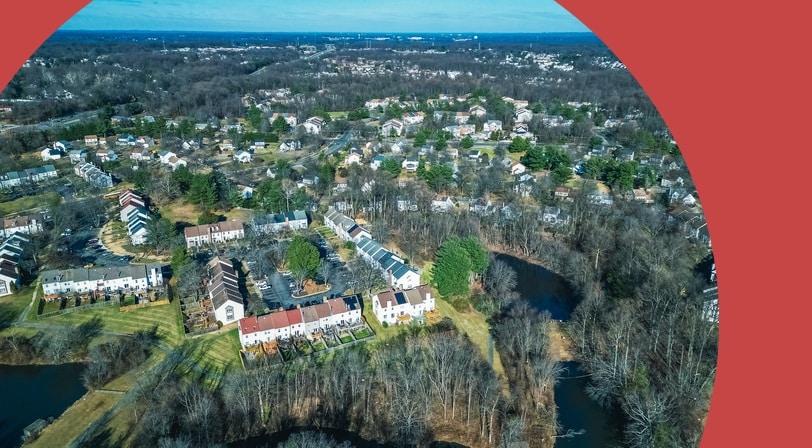
Just north of Washington D.C., Montgomery County is the most populous county in Maryland. Retirees can find a mix of quiet regional parks and quick access to big-city amenities on strong public transportation systems. Montgomery County ranks highly in the Health category of the AARP Livability Index™, thanks to the health care options at Johns Hopkins-affiliated medical centers.
3. Seattle, WA

Located on Puget Sound, Seattle is a popular retirement destination in the scenic Pacific Northwest. The city ranks highly in the Neighborhood category, thanks to a low crime rate and access to amenities such as libraries, parks, and grocery stores. Residents can take public transit to attractions like Pike Place Market or head out of the city to explore places like Mount Rainier National Park.
4. Ramsey County, MN

Ramsey County borders Minneapolis and includes the city of St. Paul. This region is highly livable thanks to quality health care, robust public transportation, and attractions such as the Landmark Center and the Como Park Zoo & Conservatory. According to AARP, Ramsey County ranks highly in the Engagement category due to strong, socially involved, and well-connected communities.
5. Fairfax County, VA
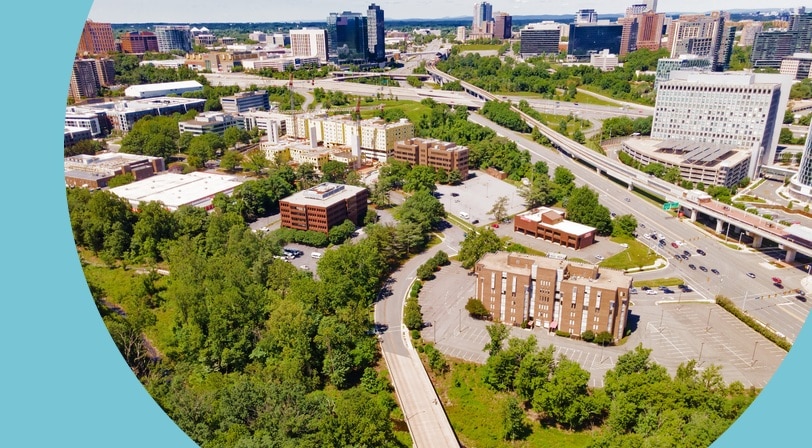
Fairfax County is the most populous county in Virginia and provides residents with strong health care, scenic regional parks with greenways, and quick access to Washington, D.C. Despite its high population, retirees can find a number of quiet communities and small towns in the county while still enjoying the cultural and health care advantages of a very large city.
6. New York, NY

As the most populous and world-famous city in the U.S., New York City is one of the most livable cities for retirees seeking a fast-paced urban lifestyle. An exceptionally high score in the Transportation category means residents can easily explore the city on foot or by public transportation without needing a car. The Big Apple is dense with restaurants, shopping, cultural attractions, and public conveniences, making it a standout in the Neighborhood category as well.
7. Boston, MA

Steeped in rich history and a strong arts culture, Boston is a very large city that captures the East Coast lifestyle. Convenient public transportation and walkable streets connect residents to restaurants, shopping, and health care. Retirees can see a Red Sox game at Fenway Park, walk the Freedom Trail and its historical sites, and eat clam chowder at seaside eateries.
8. Nassau County, NY
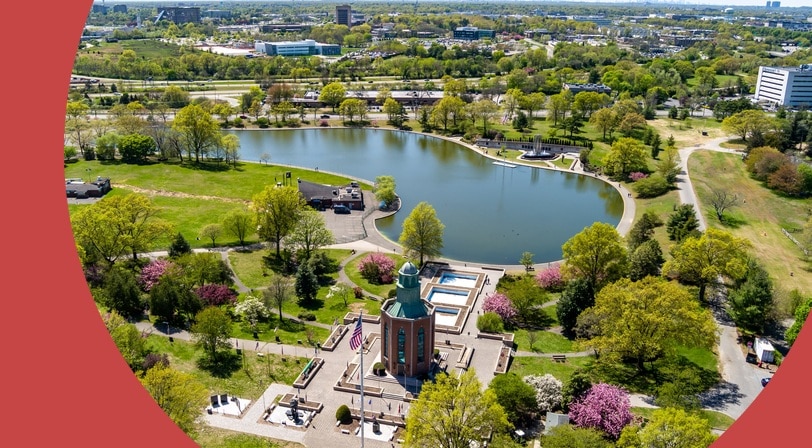
Nassau County is located on the western side of Long Island, about 35 miles east of Downtown Manhattan. Though it consists primarily of residential neighborhoods, residents of this populous county have easy access to health care, entertainment, and dining close to home. The county received balanced scores across most of the AARP livability categories, with high marks in Neighborhood, Health, and Transportation.
9. Portland, OR

Portland is known for its thriving arts culture and Pacific Northwest lifestyle. Data gathered by AARP recognizes the city’s high-quality transportation and healthcare systems, as well as its high levels of social and civic engagement. Retirees who enjoy spending time outdoors will find an abundance of urban parks and nearby wilderness areas, including Mount Hood National Forest.
10. Bergen County, NJ
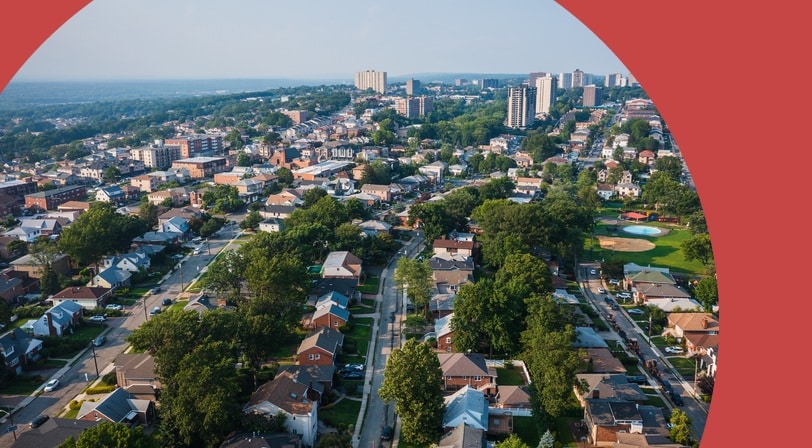
Bergen County is the most populous county in New Jersey and a strong fit for active adults looking to retire in the Northeast. Located about 25 miles north of New York City, residents can receive medical care at well-regarded hospitals and use extensive public transportation systems to get around. The Neighborhood category for Bergen County stands out on the AARP Livability Index™, reflecting tight-knit communities with easy access to conveniences.
Large Cities
100,000–499,999 residents
Large cities allow residents to experience the advantages of urban living while avoiding the commotion of America’s most densely populated cities. Retirees in these metro areas live balanced lifestyles that blend inclusive, walkable communities with big-city entertainment and conveniences.
1. Arlington County, VA

Home of the Pentagon and a range of cultural attractions, Arlington County has a strong Health and Neighborhood score on the AARP Livability Index™. Its most notable category, though, is Transportation, due to walkable infrastructure and frequent public transportation services. According to Arlington County’s homepage, 99% of all residents live within a 10-minute walk of a public park, a sign of the region’s commitment to people-forward urban planning.
2. Alexandria, VA
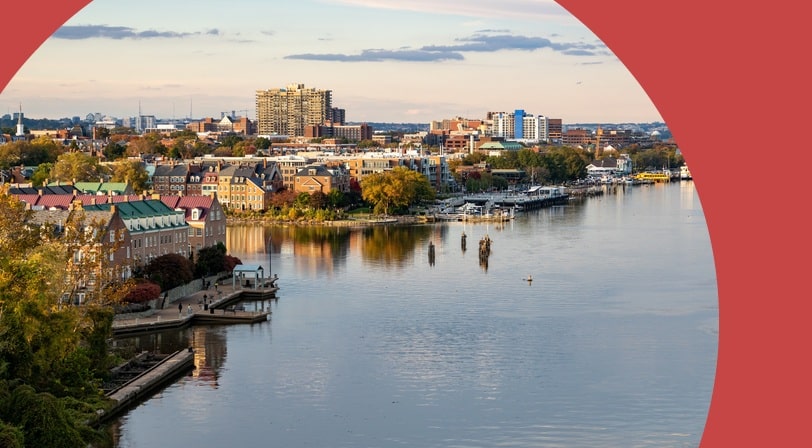
Blending historic character and urban amenities, Alexandria is one of the most livable cities for retirees. Residents of this riverside city will find it highly walkable, especially in the Old Town district, which is full of historic sites, restaurants, and theaters. Alexandria received high marks in the Neighborhood, Health, and Engagement categories on the livability index, along with a strong Transportation score thanks to the local Metro system and its quick access to Washington, D.C.
3. Cambridge, MA
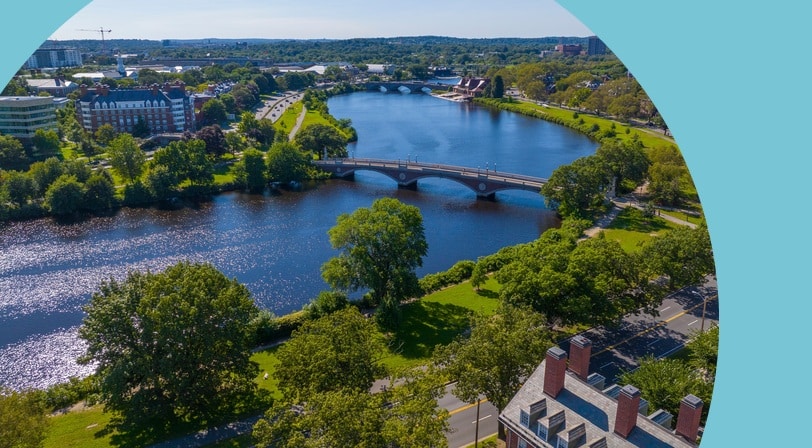
Cambridge is known for being home to Harvard and MIT, two well-respected institutions where retirees can pursue lifelong learning goals. Residents enjoy livability advantages such as quality health care, convenient public transit to Boston, public parks like Cambridge Common, and cultural attractions like the Museum of Science. Cambridge also ranks highly in the Neighborhood category, thanks to a range of grocery stores, libraries, parks, and other businesses within walking distance.
4. Salt Lake City, UT

Set at the base of the Wasatch Mountain Range in Northern Utah, Salt Lake City is the cultural heart of the state, with attractions like Wheeler Historic Farm and Utah First Credit Union Amphitheatre. The city stands out in the Transportation and Engagement categories of the livability index, as well as in Opportunity, thanks to its commitment to age-friendly communities. Outdoorsy retirees will find hiking in the surrounding mountains, as well as in urban parks like the International Peace Garden, Liberty Park, and Great Salt Lake State Park.
5. St. Paul, MN

With high walkability, extensive public transit options, civically engaged communities, and accessible neighborhoods, the capital of Minnesota is one of the best cities to live in the U.S. Retirees can take in art exhibits at the historic Landmark Center or see a live performance at the Ordway Center for the Performing Arts. The Mississippi River winds through Downtown St. Paul, offering scenic parks, walking paths, riverside restaurants, and fishing.
6. Boulder, CO

Boulder is a large city in the foothills of the Rocky Mountains, offering residents ample opportunities to hike, ski, fish, and enjoy pleasant year-round weather. The city holds a near-perfect score (98 out of 100) in the Engagement category of the AARP Livability Index™, reflecting its commitment to cultural institutions, human rights commissions, voting participation, and age-friendly communities. Retirees appreciate the health-focused lifestyle, backed by top-rated medical centers, fresh local eateries, and ample outdoor recreation spaces.
7. Minneapolis, MN

A Midwest hub for arts, culture, and civic engagement, Minneapolis champions many aspects of livability that retirees seek out. For cultural experiences, residents can visit the Guthrie Theater, Historic Fort Snelling, Minneapolis Institute of Art, and the Midwest Global Market, an urban market featuring international food and crafts. The high score in AARP’s Transportation category indicates that Minneapolis has a high-quality public transportation system and communities with significant walkability.
8. North Hempstead, NY

North Hempstead is located 25 miles east of New York City on Long Island, a convenient spot for retirees who want quiet communities with easy access to big-city amenities. Residents have access to health care at institutions such as North Shore University Hospital, as well as several public parks and golf courses. The Town of North Hempstead also offers an initiative called Project Independence that provides services to those 60 and older, including free curb-to-curb transportation, medical support, and recreational events.
9. Madison, WI
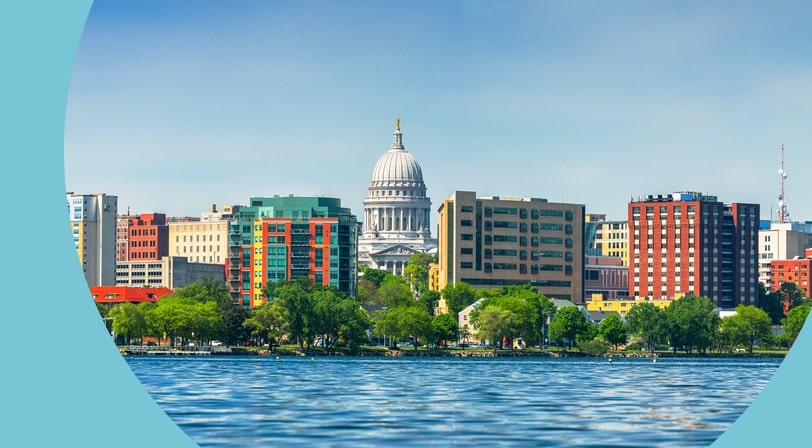
With high scores in the AARP Transportation, Neighborhood, and Engagement categories, Madison is a large city with a balanced livability profile. The city surrounds two large lakes, Mendota and Monona, that offer scenic views and possibilities for water sports, fishing, and lakeside hiking. Madison is also home to the University of Wisconsin-Madison, which includes amenities such as the UW Health system, an expansive arboretum, and live performances hosted by the institution.
10. Chittenden County, VT
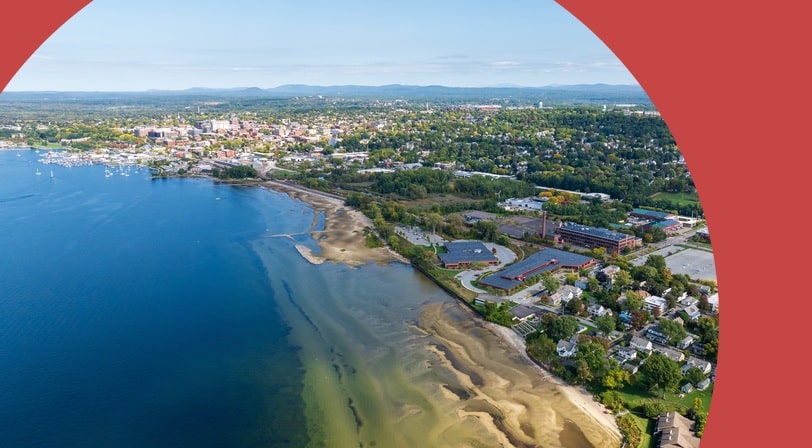
Active adults searching for a nature-focused retirement destination should consider Chittenden County in northern Vermont. The region sits between Lake Champlain and the Green Mountains, which makes it a strong fit for outdoor-loving retirees. The most populous county in Vermont, Chittenden County stands out in AARP’s Engagement category due to strong support of the arts, voting rights, and civic involvement.
Mid-Size Cities
25,000–99,999 residents
Mid-size cities are often defined by smaller metro areas, walkable downtowns, suburban communities dense with conveniences, and strong civic infrastructure. Cities of this size tend to punch above their weight in livability, which makes them a strong fit for active adults who don’t want to live in a hyper-dense urban area.
1. Cliffside Park, NJ
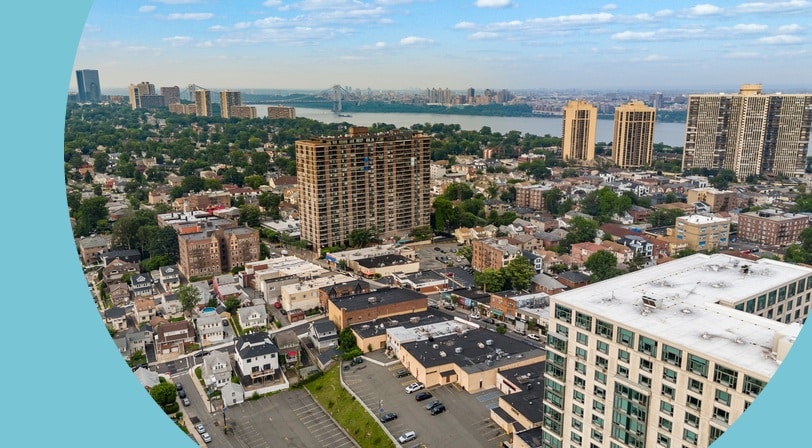
According to the AARP Livability Index™, Cliffside Park is the top choice for overall livability among all mid-size cities and communities in the U.S. The borough checks a lot of boxes for retirees, including access to top health care facilities, walkable neighborhoods with convenient amenities, and a comprehensive public transportation system. Manhattan sits on the opposite side of the Hudson River, which puts entertainment and dining within reach any day of the week.
2. Fort Lee, NJ
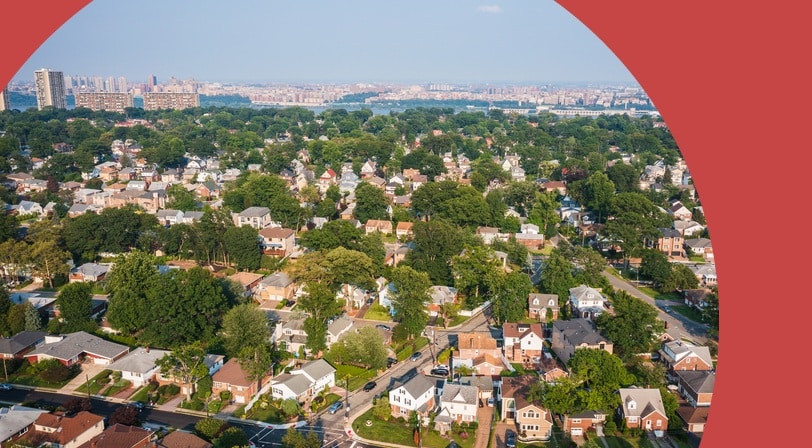
Fort Lee offers accessible neighborhoods, reliable public transportation, and top medical centers to active adults wanting to retire near New York City. Residents can find a consolidated shopping and dining area surrounded by tight-knit neighborhoods. The borough’s namesake comes from Fort Lee Historic Park, an expansive greenspace with walking paths along the Hudson River.
3. Portland, ME
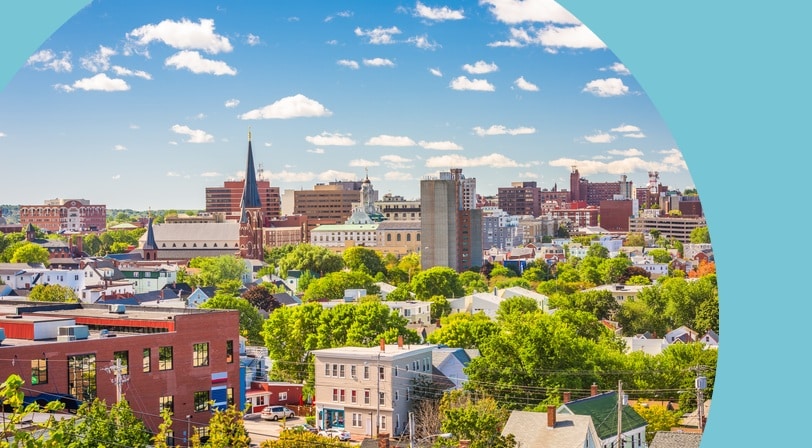
Portland, Maine, is a Northeast city with a coastal character all its own. This mid-size city is known for its culinary scene, with restaurants, breweries, and bakeries that draw food lovers. Portland’s highest-scoring livability category is Engagement, reflecting a community that values arts and culture, voting rights, and civic engagement.
4. Burlington, VT
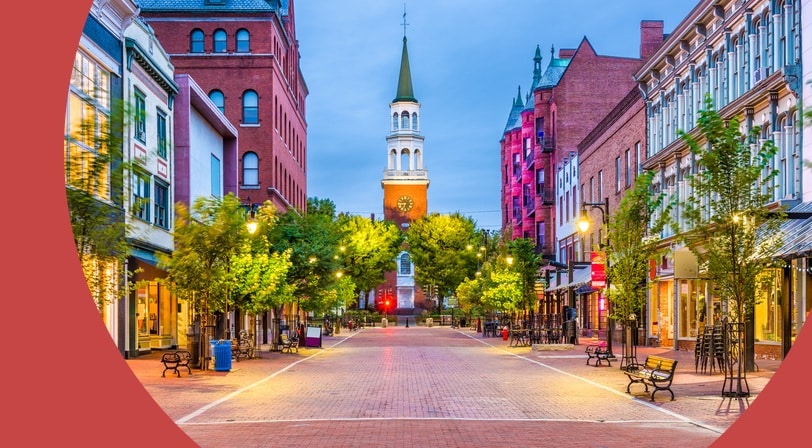
Burlington is a Northeast college town with miles of shoreline on Lake Champlain. Home to the University of Vermont and Champlain College, the area offers a range of dining and entertainment options, along with quality healthcare options. A thoughtful, civically involved community earned Burlington a high Engagement score on the AARP Livability Index™, and the city also holds a strong Environment score thanks to clean water and air quality.
5. Rockville, MD
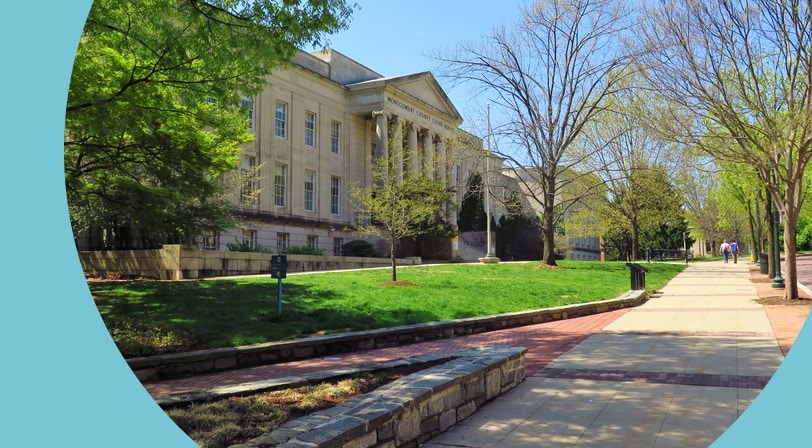
Located about 15 miles north of Washington, D.C., Rockville is a mid-sized suburban city with high livability for retirees. An active city center is surrounded by walkable neighborhoods, allowing residents to reach public libraries, parks, and grocery stores on foot. Rockville received a high Health score thanks to a relatively healthy population and its proximity to well-regarded hospitals like the Adventist HealthCare Shady Grove Medical Center.
6. Chapel Hill, NC
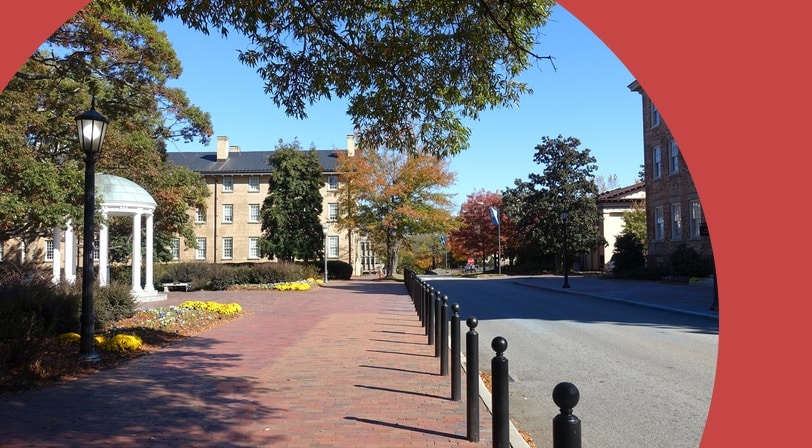
Chapel Hill is a part of North Carolina’s Research Triangle, a region distinguished by three Tier-1 research universities. The University of North Carolina at Chapel Hill provides residents with a number of cultural institutions and entertainment venues, including the Morehead Planetarium and Science Center, the Ackland Art Museum, and Kenan Memorial Stadium, home of the UNC Tar Heels. Residents enjoy a balanced quality of life, with AARP giving the city high scores in Transportation, Environment, Health, and Engagement.
7. Somerville, MA
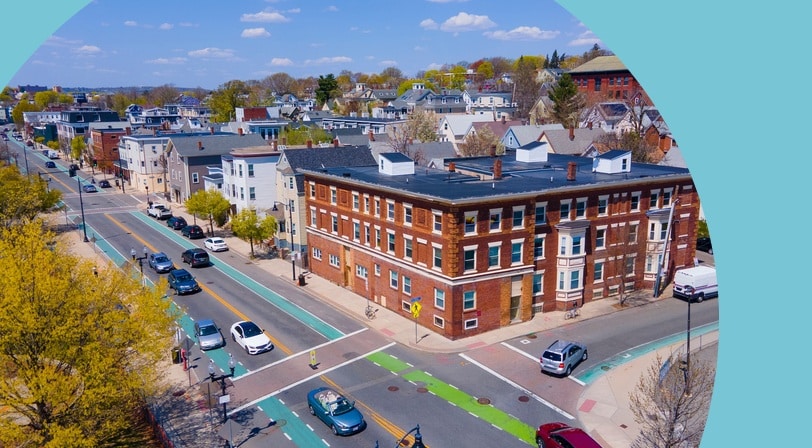
Somerville is a collection of suburban communities less than five miles from Downtown Boston. Retirees get the small-town feel of Somerville along with close proximity to big-city amenities like performance theaters, major sports stadiums, and quality healthcare. AARP found that 22% of households in Somerville don’t have a vehicle, a sign of the city’s walkability and strong public transit system.
8. Brookline, MA
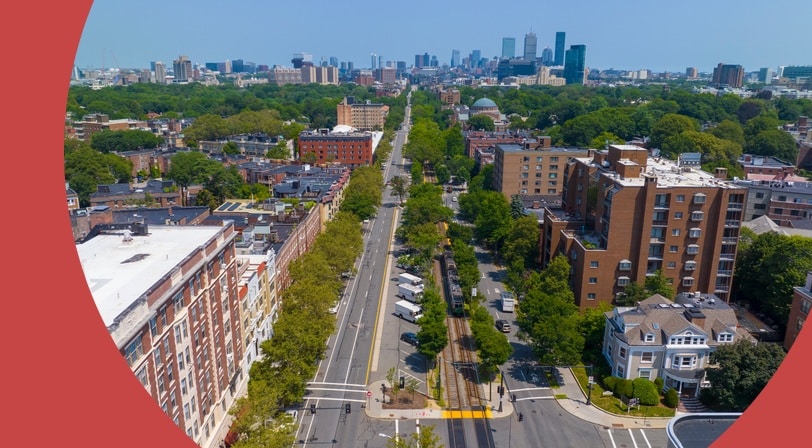
Characterized by forested neighborhoods, numerous public parks, and a historic town center, Brookline is a quiet area that doesn’t feel like it sits only five miles from Downtown Boston. Its two highest-scoring categories on the AARP Livability Index™ are Transportation and Neighborhood, thanks to accessible infrastructure, a strong location, and convenient local amenities.
9. Harrisburg, PA

As the state capital of Pennsylvania, Harrisburg is home to a wide variety of cultural attractions, outdoor recreation, and active communities. Harrisburg holds a high Engagement score on the AARP Livability Index™ due to the city’s strong civic involvement and support of its arts, culture, and entertainment institutions. Retirees here enjoy visiting museums such as the National Civil War Museum and exploring the Capital Area Greenbelt, a 20-mile paved path that encircles the city.
10. Belmont, MA
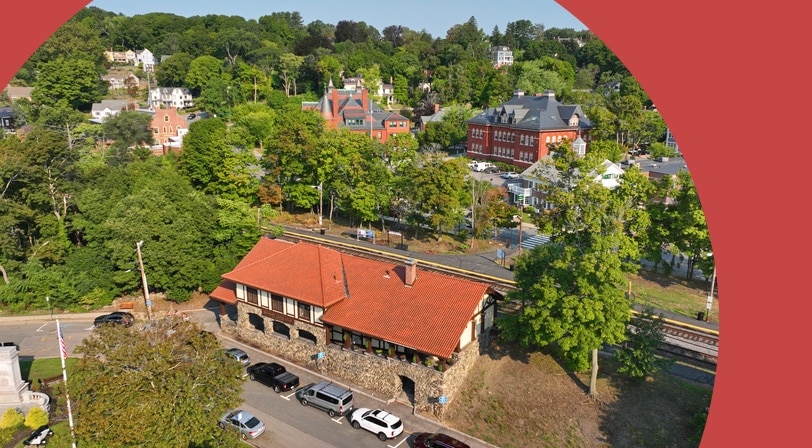
Belmont is a community built around a small town center 10 miles outside of Boston. The city’s standout AARP Livability Index™ category is Opportunity, which points to strong age diversity, job availability, and local government creditworthiness. Belmont offers the livability factors retirees look for, such as tree-lined neighborhoods, paved greenways, golf courses, and several urban parks, including the 90-acre Mass Audubon Habitat Education Center and Wildlife Sanctuary.
Small Cities
5,000–24,999 residents
For retirees who prefer a more relaxed pace and homes in tight-knit neighborhoods, small cities offer quiet without giving up livability. Small towns strengthen their communities through civic engagement, keeping necessities accessible, and leaning into their cultural identity. Cities of this size make it easy for retirees to find their place and get to know their neighbors.
1. Great Neck Plaza, NY
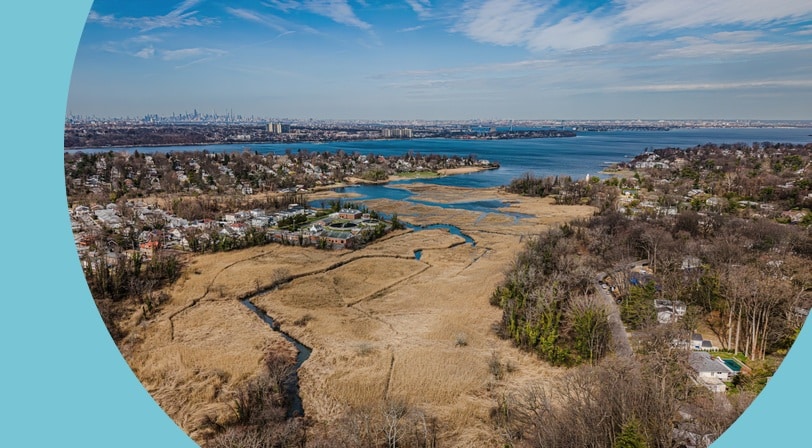
The most livable location on the AARP Livability Index™ Top 100 across all population tiers is Great Neck Plaza, a village on Long Island that’s 20 miles from New York City. This town is small but capable, earning solid scores across all seven livability categories. Great Neck Plaza offers walkable neighborhoods, convenient dining and shopping, quality health care, and a clean local environment. Retirees can step on a train at Great Neck Station and reach Manhattan in under an hour, which suits small-town residents who still want big-city amenities within reach.
2. Falls Church, VA
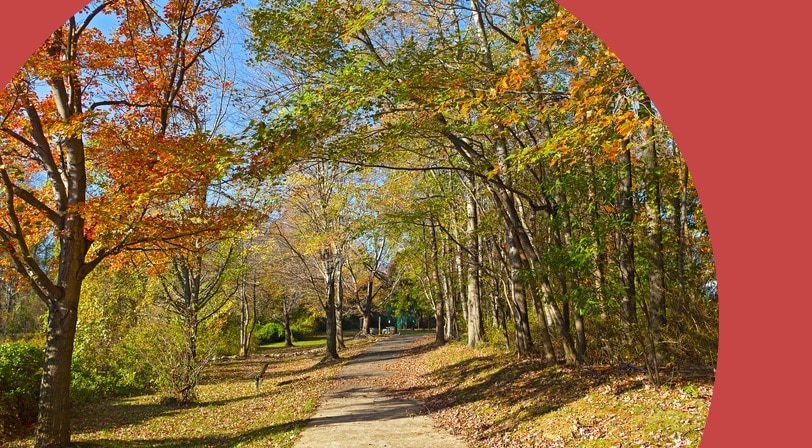
Located less than 10 miles west of Washington, D.C., Falls Church is a small city built around a compact town center full of restaurants, performance venues, and shopping. Data shows that residents are dedicated to civic engagement, voting, and supporting the arts. Falls Church holds its highest score in the Health category of the AARP Livability Index™, thanks to well-regarded medical centers like Inova Fairfax Hospital, which consistently ranks as the best hospital in Virginia and Washington D.C..
3. Pella, IA
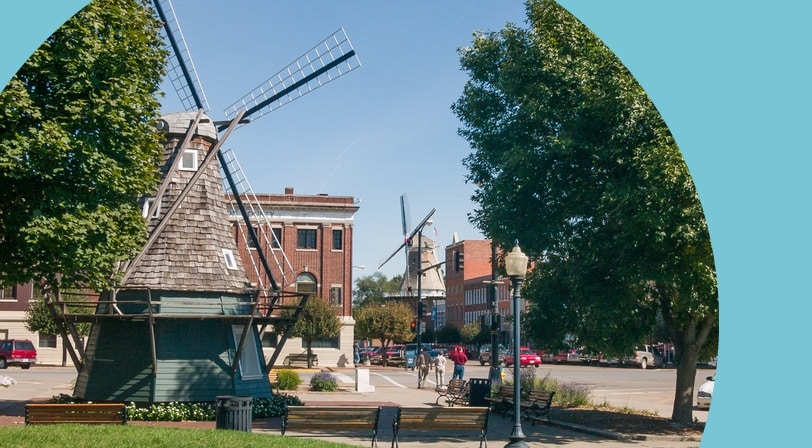
Known for its Dutch heritage and low cost of living, Pella ranks among the most livable small cities for retirement. It sits about 45 miles east of Des Moines near Lake Red Rock. AARP gives Pella high livability scores in the Engagement, Opportunity, and Health categories. The town’s laid-back pace comes with Dutch attractions like the 124-foot-tall Vermeer Windmill.
4. Aspen, CO

Aspen offers residents clean mountain air, a strong cultural scene, and well-known outdoor recreation in the surrounding area. While the town is known for its ski resorts and hiking, retirees will also find upscale dining, health services at Aspen Valley Hospital, and an active arts scene through institutions like the Aspen Music Festival and School. AARP gave Aspen near-perfect livability scores in the Health and Engagement categories, which makes it a standout among similarly sized cities.
5. Knoxville, IA

Knoxville, Iowa, is a small town with a lot of character, located about 40 miles southeast of Des Moines. The rural community offers roomy neighborhoods, a straightforward town center, and fast-paced racing action at the Knoxville Raceway. On the AARP Livability Index™, Knoxville has a notably high score in the Housing category, thanks to affordable homes and a non-competitive market.
6. Los Alamos County, NM

Widely known as the home of the historic Los Alamos National Laboratory, the county draws active adults looking to retire in a scenic Southwestern destination. The county includes large high-desert wilderness areas to explore, including Santa Fe National Forest, Los Alamos Canyon, and Guaje Ridge. AARP gives the county high scores in the Health and Environment categories, reflecting the region’s health-focused lifestyle and quality medical centers.
7. Takoma Park, MD

Takoma Park is a residential suburb five miles north of Washington, D.C., with everyday conveniences and quiet neighborhoods. Transportation is a standout livability category on the AARP Livability Index™, thanks to the town’s walkability and accessible public transportation. AARP also ranks it highly in Health due to the quality of medical centers in the surrounding area.
8. Orange City, IA
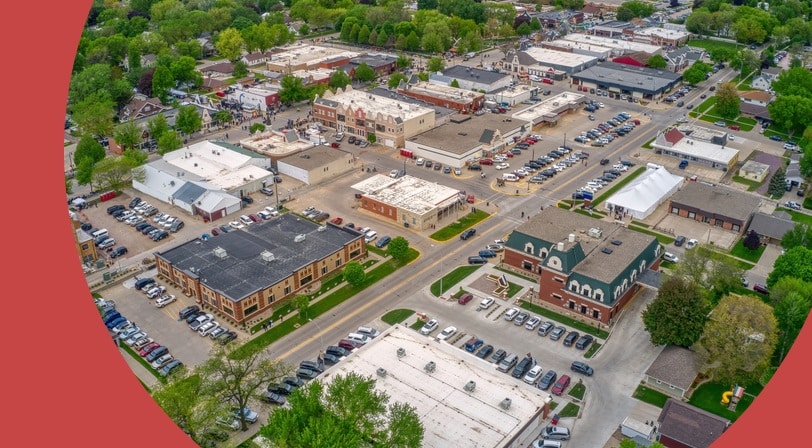
In the northwest corner of Iowa, retirees can find Orange City, a small town with balanced scores across categories on the AARP Livability Index™. Despite its rural setting, residents have easy access to restaurants, shopping, entertainment, golf, and public parks. Orange City celebrates its Dutch heritage with an annual tulip festival, a tradition dating back to 1936.
9. Salida, CO
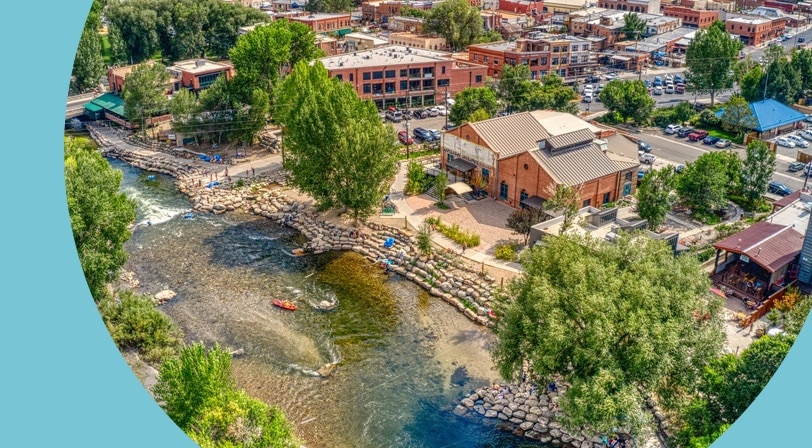
Salida is a small city in Central Colorado with an active arts scene, a walkable downtown, and accessible conveniences. With a nickname like “The Heart of the Rockies,” retirees can expect Salida to be surrounded by hiking trails, scenic views, and fishing along the Arkansas River. Salida holds a perfect 100 out of 100 score in the Engagement category of the AARP Livability Index™, reflecting the city’s dedication to the arts, culture, voting, and civic involvement.
10. Williston Park, NY
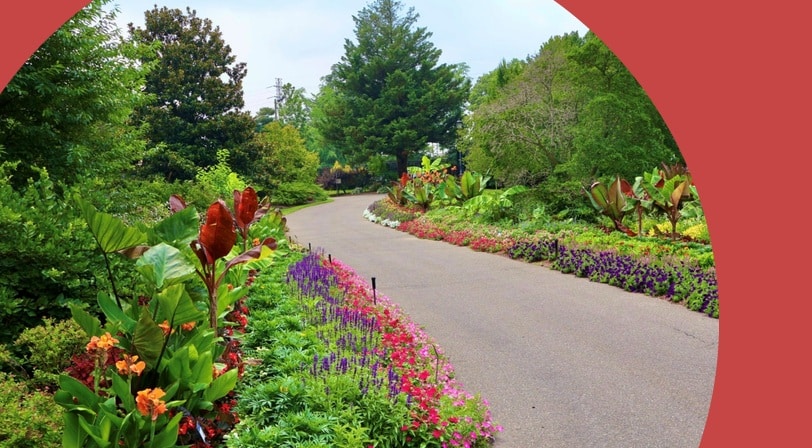
Williston Park stands out in the Neighborhood category of the AARP Livability Index™, thanks to the community’s walkable infrastructure, easily reachable conveniences, and high safety level. Despite the small-town feel of this Long Island village, residents can use public transportation to reach the heart of Manhattan in about an hour.
Regional Patterns and Takeaways
The AARP Livability Index™ Top 100 shows some clear regional patterns for active adults weighing retirement destinations. The most livable mid-size and small-tier cities sit primarily in the Northeast, while a large share of the very large livable cities are concentrated in the Pacific Northwest and Upper Midwest.
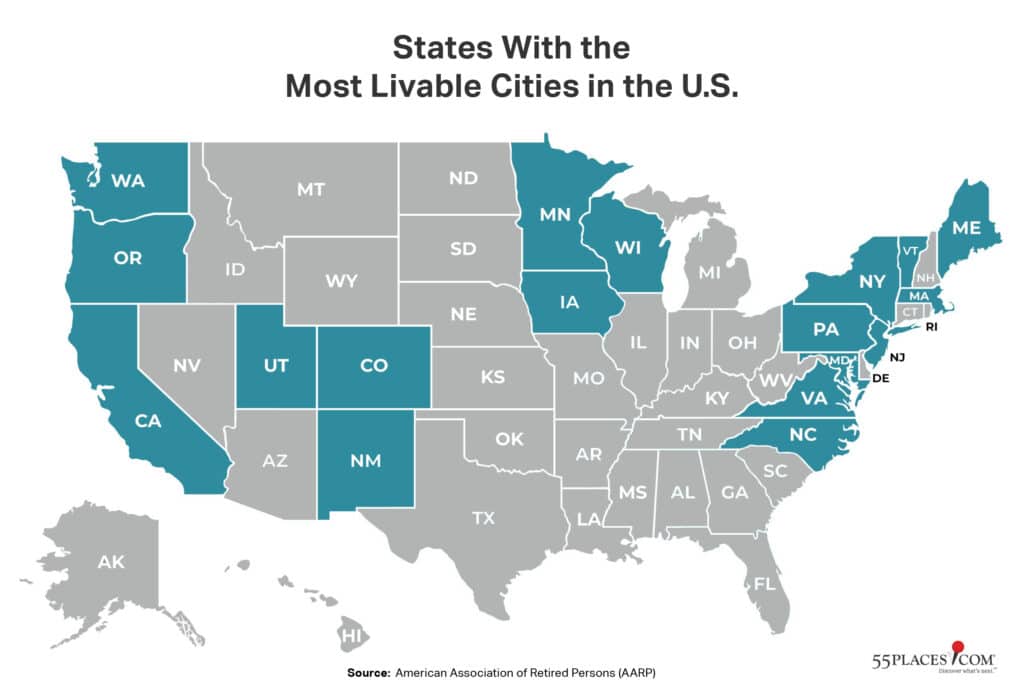
Retirees may be surprised that traditionally popular retirement destinations in the Sun Belt are not commonly represented in the top livable cities and communities. This doesn’t mean that locations like Arizona and Florida are not desirable. They continue to be retirement hotspots. It only means they may fall short on some key livability indicators, such as walkability, civic engagement, or public transportation.
FAQ: Most Livable Cities in the U.S. for Retirees
What is the AARP Livability Index?
The AARP Livability Index™ is an online tool that assesses quality-of-life factors for every community in the United States, scoring each city, county, and town out of 100. It draws data from 61 key indicators across seven categories: Housing, Transportation, Neighborhood, Health, Environment, Engagement, and Opportunity.
What is the most livable city in the U.S. for retirees?
Great Neck Plaza, New York, is the most livable location on the AARP Livability Index™ Top 100 across all population tiers. This Long Island village, 20 miles from New York City, earns solid scores across all seven livability categories, and residents can reach Manhattan by train in under an hour.
What makes a city livable for retirees?
Livability is measured across seven categories on the AARP Livability Index™: Housing, Transportation, Neighborhood, Health, Environment, Engagement, and Opportunity. For retirees, this often means walkability, proximity to quality health care, clean air and water, and strong civic and social engagement.
What are the best small towns to retire in?
Great Neck Plaza, New York tops the small-city tier and the entire Top 100, followed by standouts like Falls Church, Virginia; Pella, Iowa; and Salida, Colorado. These towns keep necessities accessible and lean into civic engagement, with Salida holding a perfect 100 out of 100 in the Engagement category.
Which city has the best health care for retirees?
Falls Church, Virginia, holds its highest AARP score in the Health category, thanks to well-regarded medical centers like Inova Fairfax Hospital, which consistently ranks as the best hospital in Virginia and Washington, D.C. Montgomery County, Maryland, is another strong option, ranking high in Health thanks to Johns Hopkins-affiliated medical centers.
Where should I retire if I want to live near a big city without living in one?
Consider mid-size or small cities near major metros, such as Cliffside Park, New Jersey, the top-rated mid-size community, which sits just across the Hudson River from Manhattan. Other strong options include Rockville, Maryland, about 15 miles north of Washington, D.C., and Somerville, Massachusetts, less than five miles from Downtown Boston.
Do I have to give up walkability to retire in a small town?
No, several small towns score well on walkability and transportation. Takoma Park, Maryland, stands out in the Transportation category thanks to its walkability and accessible public transit, and Great Neck Plaza, New York, offers walkable neighborhoods with a train to Manhattan in under an hour.
Which region of the U.S. is most livable for retirees?
The Northeast dominates the most livable mid-size and small cities, while the Pacific Northwest and Upper Midwest are concentrated among the very large livable cities. A few regions consistently top the rankings, including cities in the Pacific Northwest, such as Seattle and Portland, Oregon.
Do the most livable cities have affordable housing?
It varies by tier, since Housing is only one of seven categories measured. Knoxville, Iowa, earns a notably high Housing score thanks to affordable homes and a non-competitive market, while very large cities like San Francisco and New York rank highly overall despite higher housing costs.
How do I find a 55+ community in one of the most livable cities?
Start by deciding which livability factors matter most to you, then use the AARP Livability Index™ as a starting point to narrow down a region or city. From there, the 55+ real estate experts at 55places.com can help you explore homes and communities in your preferred destination and guide you through the homebuying process.
What Livability Really Means for Your Retirement
Livability means different things to different people. Some prioritize walkability to local establishments, while others look for proximity to top medical institutions. A city that’s highly livable on paper isn’t automatically the right choice for everyone, and active adults should decide which livability factors matter most to them.
The AARP Livability Index™ can serve as a starting point for finding a retirement destination that fits homebuyers’ individual needs and preferences. If a particular region or city stands out above the others, retirees can continue exploring homes and communities on 55places. Our 55+ real estate experts can help find suitable retirement options and guide active adults through the homebuying process.

- Insights and market stats
- Instant new home alerts
- Answers from local 55+ experts