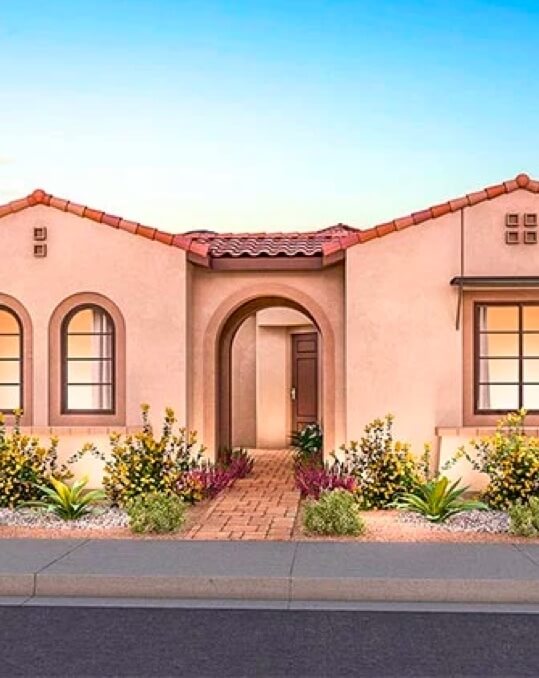
OVERVIEW
A patio home is a detached single-family home built on a small lot with minimal exterior upkeep, usually inside a planned or homeowners association (HOA) neighborhood. Patio homes are common in 55+ communities and active adult communities, where the HOA handles landscaping and residents share amenities such as clubhouses, pools, and pickleball courts. Builders define the term differently, so verify lot size, attachment, and maintenance coverage before buying.
The term “patio home” can mean different things depending on the building and the community. Most share the same three traits, though: single-family ownership, a smaller lot, and low maintenance. Many patio home communities also offer shared amenities that residents would find expensive to own and maintain on their own.
If you’re wondering what a patio home is, this guide explains its defining features, the pros and cons of ownership, and how to decide whether it fits your lifestyle.
What Is a Patio Home?
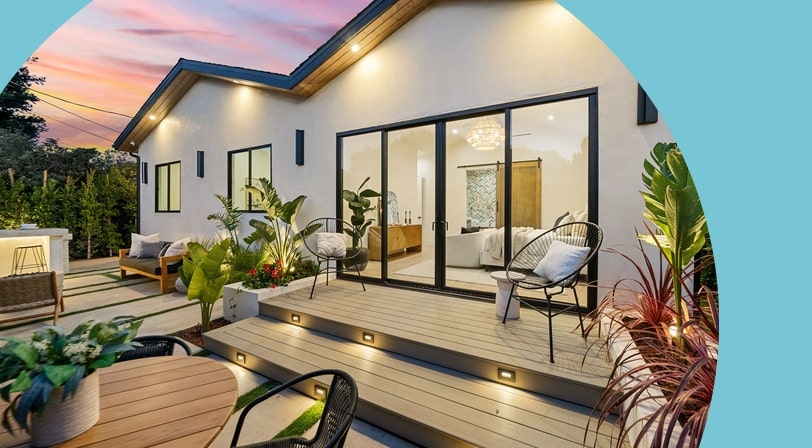
The name is misleading. A patio home has little to do with a porch. It’s typically a detached, single-family home built on a smaller lot than most properties designed for single-family ownership. Not every patio home is detached, however. Some share exterior walls, depending on how an individual builder defines the concept, which is one reason patio homes are often confused with villas.
These homes are usually designed with future upkeep in mind, including minimal exterior maintenance requirements. That means residents can avoid many of the costly, time-consuming repairs that come with a larger lot and a bigger footprint.
Most patio homes sit inside planned communities or homeowners association (HOA) neighborhoods built around that specific housing type. While each home often includes a private outdoor patio or courtyard, much of the outdoor space is shared with the rest of the community, from walking trails to pools and sports courts.
Common Features of a Patio Home

Not every patio home includes every feature below, so research a specific floor plan before you commit. Still, most patio homes share these characteristics, and comparing them against other home types can help you narrow your search.
Smaller, Easy-to-Maintain Lots
Smaller lots mean less yard work and reduced landscaping needs. They also mean the outdoor space is planned carefully, so the square footage you do have tends to be usable rather than leftover.
Single-Level Living
Many patio homes are designed for residents who plan to stay put as they get older, which often means ranch-style layouts that keep everything on one floor. Fewer stairs improve accessibility and support aging in place.
Private Outdoor Space
A small lot doesn’t mean no outdoor space of your own. Patio homes usually include a patio for sitting or entertaining, plus a small backyard or courtyard. You get somewhere to sit outside without taking on significant upkeep.
HOA Maintenance
In many communities, particularly 55+ active adult communities, patio homes come with HOA maintenance. Common area upkeep and community landscaping are typically included. Some associations go further and cover snow removal or individual lawn care. Read your HOA contract closely so you know exactly which tasks remain yours, because coverage varies widely from one community to the next.
Community Amenities
Amenities vary considerably from one community to the next. Many active adult communities offer some combination of the following:
- Walking trails
- Clubhouse
- Fitness center
- Pool
- Pickleball courts
- Golf course
Having these amenities a short walk from your front door makes them easier to use regularly. That proximity is a large part of the appeal for buyers who want a smaller home without giving up things to do.
Pros of Buying a Patio Home
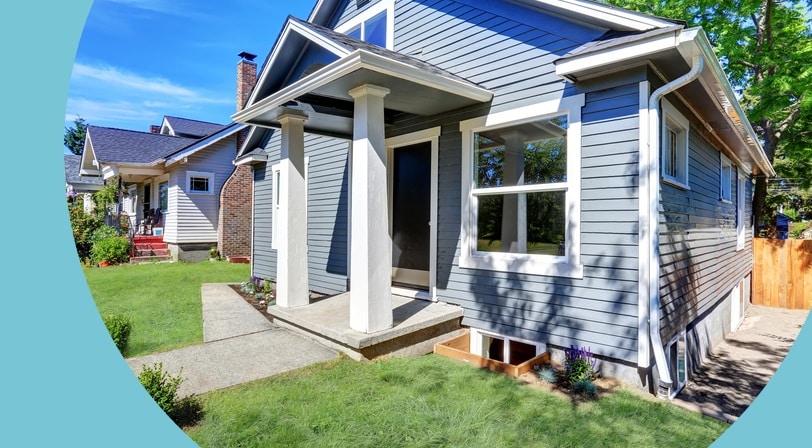
Patio homes tend to appeal to buyers who have recently become empty nesters or who want something smaller with less to maintain.
Lower Maintenance
Smaller yards mean less time spent mowing, landscaping, and handling exterior upkeep. For many active adults, that convenience is the main reason low-maintenance living is worth the tradeoffs elsewhere.
Convenient Lifestyle
The combination of an easy-to-maintain house and an amenity-rich community appeals to a wide range of buyers, from frequent travelers to active adults and empty nesters. It’s also a practical option for anyone downsizing from a larger house.
More Privacy Than Many Attached Homes
Attached homes can leave you feeling close to your neighbors. Noise travels through shared walls, and outdoor space often sits directly alongside someone else’s. Patio homes include private patios and have fewer shared walls than condos or townhomes, which generally means better day-to-day privacy.
Efficient Floor Plans
Patio homes often use open layouts with less wasted square footage: fewer unnecessary hallways, fewer walls closing off rooms. That simpler setup also cuts down on cleaning time.
Access to Amenities
A private pool, gym, or sports court would be expensive to build and maintain on your own. Buying into a community with those facilities spreads the cost across every household through HOA dues.
Cons of Patio Homes
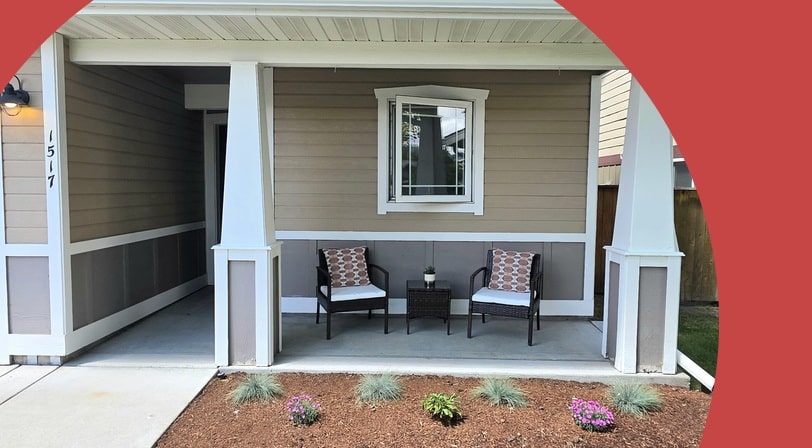
Every housing style involves tradeoffs. Know what owning a patio home actually requires before you make an offer.
HOA Fees
Most patio homes sit in communities with an HOA, which means monthly dues. Those dues fund the amenities, the lawn care or maintenance services, and access to shared spaces. Look at the current fee, the history of increases, and what the money actually covers, then judge whether the services are worth the cost.
HOA Rules
Living in an HOA community means following its rules. Expect possible restrictions on exterior paint colors, landscaping, and fencing, and sometimes on pets or renting out your property. Those same rules cut both ways: every other resident has to follow them too, which is one of the benefits of an HOA for buyers who value consistency.
Smaller Outdoor Space
A patio home won’t suit buyers who want a large garden, a workshop, RV storage, or an expansive backyard. If any of those are on your must-have list, look at housing types that offer more space indoors and out.
Less Customization
Some communities enforce specific architectural requirements. That can limit your options whether you’re building from the ground up or planning an addition years later.
Is a Patio Home Right for You?

A few questions will tell you quickly whether a patio home fits:
- How big of a yard do I want?
- Am I comfortable with HOA rules?
- Do I value convenience over lot size?
- Will I use the community amenities?
- Is low-maintenance living a priority?
If you answered yes to most of these, a patio home is worth touring. If a large yard or full control over your property matters more, a conventional single-family home on a standard lot is the better fit.
FAQ: Patio Homes
Does a patio home have to have a patio?
No. The name refers to the housing style, not a required feature. Most patio homes do include a patio, courtyard, or small backyard, but the defining traits are the small lot, single-family ownership, and low exterior upkeep.
What is the difference between a patio home and a villa?
Villas are more often attached or semi-attached, while patio homes are more often fully detached. The terms overlap heavily and vary by builder and region, so ask for the specific site plan rather than relying on the label.
Is a patio home the same as a townhome?
No. Townhomes share walls with neighbors on one or both sides by definition, while patio homes are typically detached with a private lot. Patio homes also generally offer more outdoor privacy than townhomes.
Do you own the land with a patio home?
Usually yes. Most patio homes are fee-simple purchases, meaning you own the house and the lot it sits on. Some communities use a condominium ownership structure instead, so confirm the ownership type in writing before closing.
Are patio homes only for adults 55 and older?
No. Patio homes are common in 55+ communities but are also built in all-ages neighborhoods. The single-level layouts and low upkeep simply make them popular with active adults and empty nesters.
Do patio homes have HOA fees?
Most do. Because patio homes are usually built inside planned communities, monthly HOA dues are standard. Those dues typically fund common area landscaping and amenity access, and sometimes lawn care or snow removal for individual homes.
Are patio homes a good investment?
Patio homes can hold value well because low-maintenance housing appeals to a large and growing pool of buyers. Resale depends more on location, HOA health, and community condition than on the housing style itself.
Are patio homes cheaper than single-family homes?
Often, yes, because the lots are smaller and the homes tend to have less square footage. Factor HOA dues into the comparison, though. A lower purchase price paired with high monthly dues can cost more over time than a conventional home.
Are patio homes good for aging in place?
Yes, particularly single-level models. Ranch-style layouts eliminate stairs, and HOA-handled exterior maintenance removes tasks like ladder work and mowing. Check doorway widths, bathroom layouts, and step-free entries before assuming a specific floor plan will work long-term.
Can you rent out a patio home?
Sometimes, but many HOAs restrict or cap rentals. Some prohibit short-term rentals entirely or require a minimum ownership period first. Review the rental provisions in the HOA documents if renting out the home is part of your plan.
Can you customize or add on to a patio home?
Options are limited compared with a conventional home. Architectural guidelines often govern exterior changes, and the small lot restricts additions physically. Interior renovations are usually easier to get approved than anything that changes the exterior footprint.
Should I buy a patio home or a condo?
Choose a patio home if you want private outdoor space, no shared walls, and land ownership. Choose a condo if you want the least maintenance possible, are comfortable with shared walls and hallways, and prefer a lower entry price.
How do I find patio homes in a 55+ community?
Start by narrowing your target region, then filter communities by home type and HOA coverage. Because builders use the term inconsistently, ask each community directly whether its patio homes are detached and what maintenance is included. A 55places real estate expert can run that comparison for you.
Ready to Start Looking for a Patio Home?
Patio homes pair the privacy of a single-family house with a simplified, low-maintenance lifestyle, which is why they appeal to buyers who want less upkeep without giving up comfort. Because definitions vary by builder and community, review the property details, HOA responsibilities, and ownership rights before you buy. If you’re weighing a patio home for your next move, we can help you compare communities and figure out which one fits. Contact 55places.com today!

- Insights and market stats
- Instant new home alerts
- Answers from local 55+ experts